
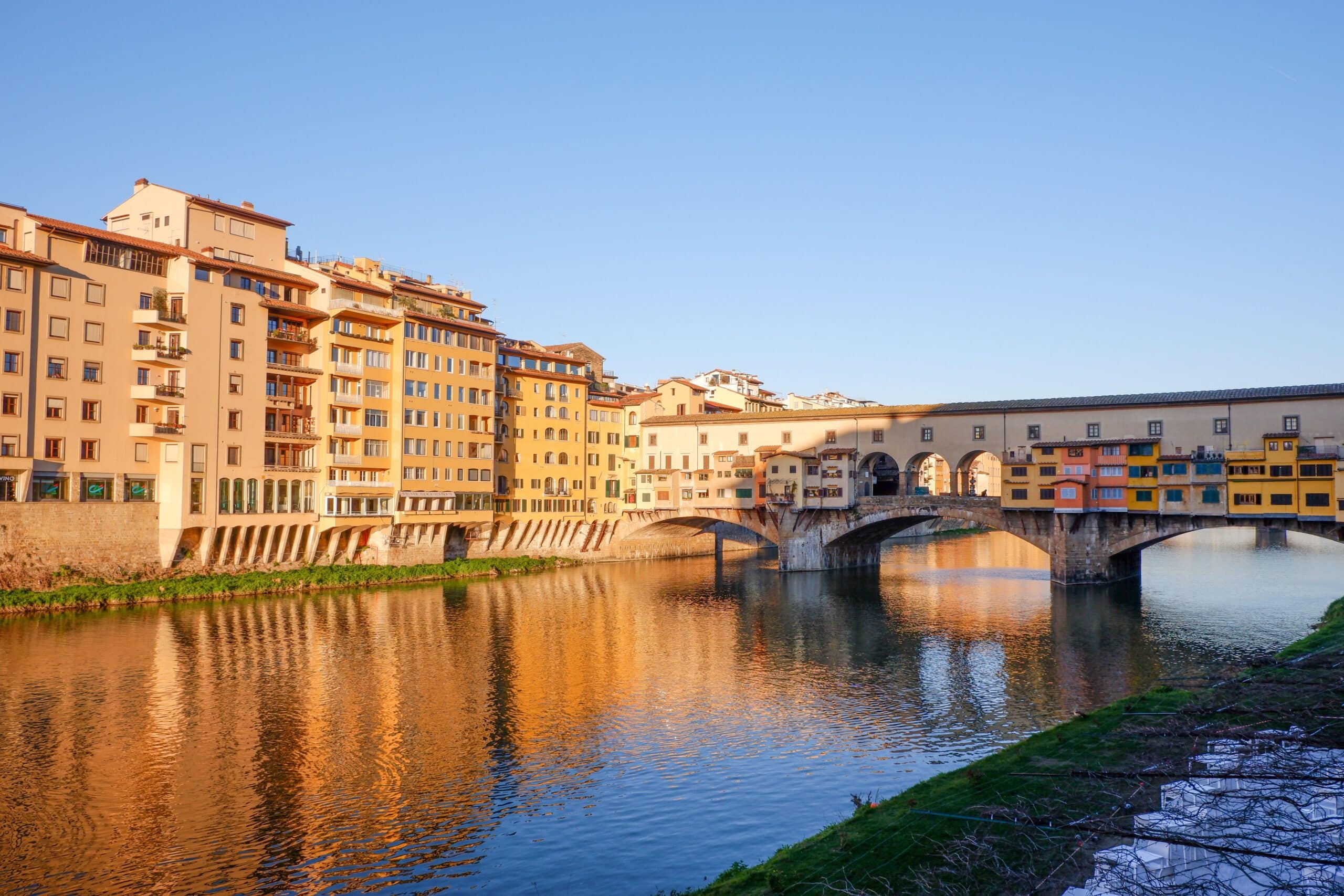
The Best Way to Understand Florence Is Through Its Stories
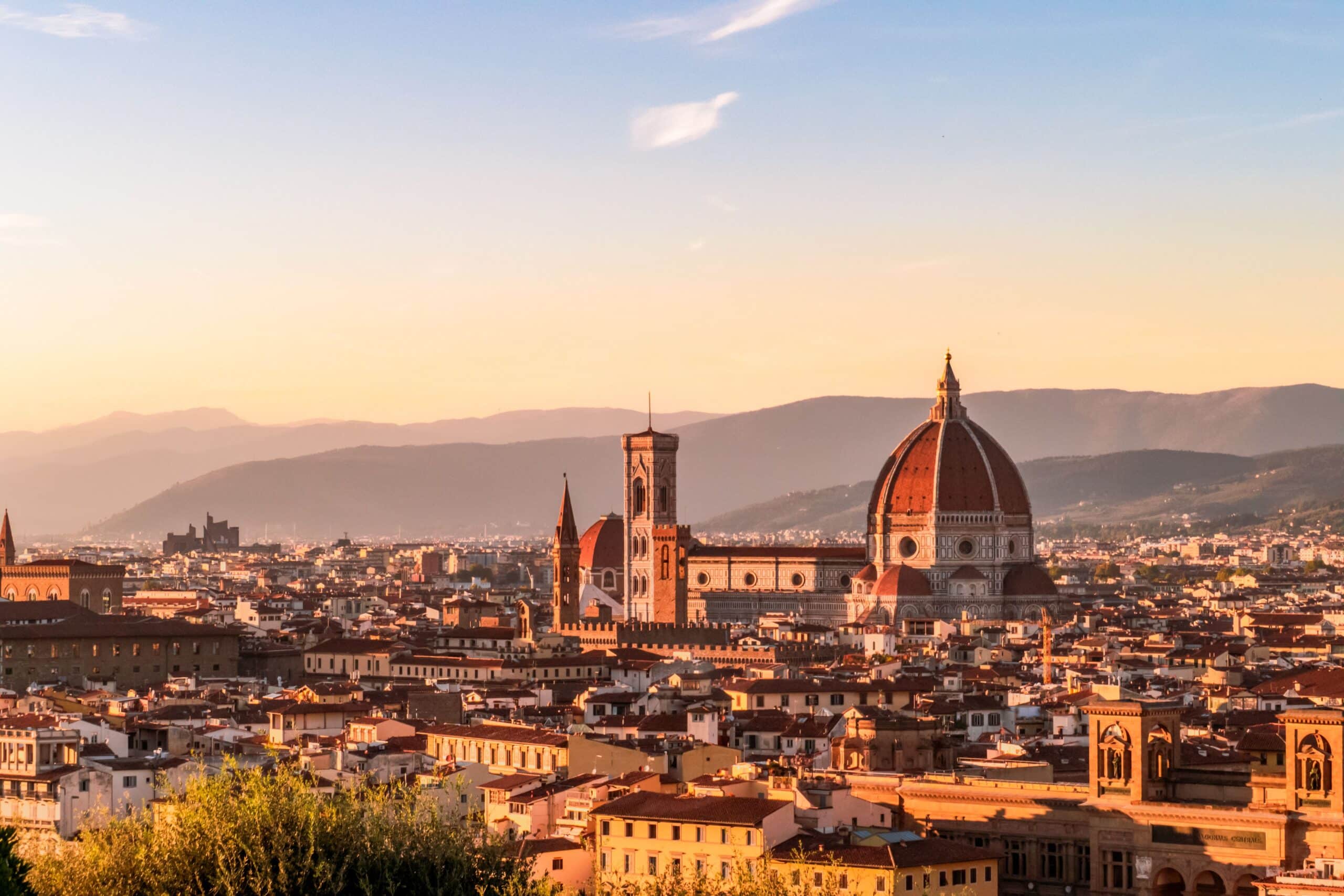
Florence is often described as an open-air museum, but that comparison only tells part of the story. While its churches, palaces, and piazzas are undeniably beautiful, the city’s greatest treasure is not found in a single monument. It lives in the stories that connect them.
Every street in Florence reflects centuries of ambition, creativity, and change. Merchants transformed neighborhoods through commerce, powerful families reshaped the skyline, and artists challenged traditional ways of seeing the world. What appears today as a collection of famous landmarks is, in reality, the result of countless lives woven together over hundreds of years.
Many visitors arrive with a list of places they hope to see: the Duomo, Ponte Vecchio, Piazza della Signoria, and the bustling streets surrounding them. Yet without understanding how these places relate to one another, it is easy to admire Florence without truly knowing it.
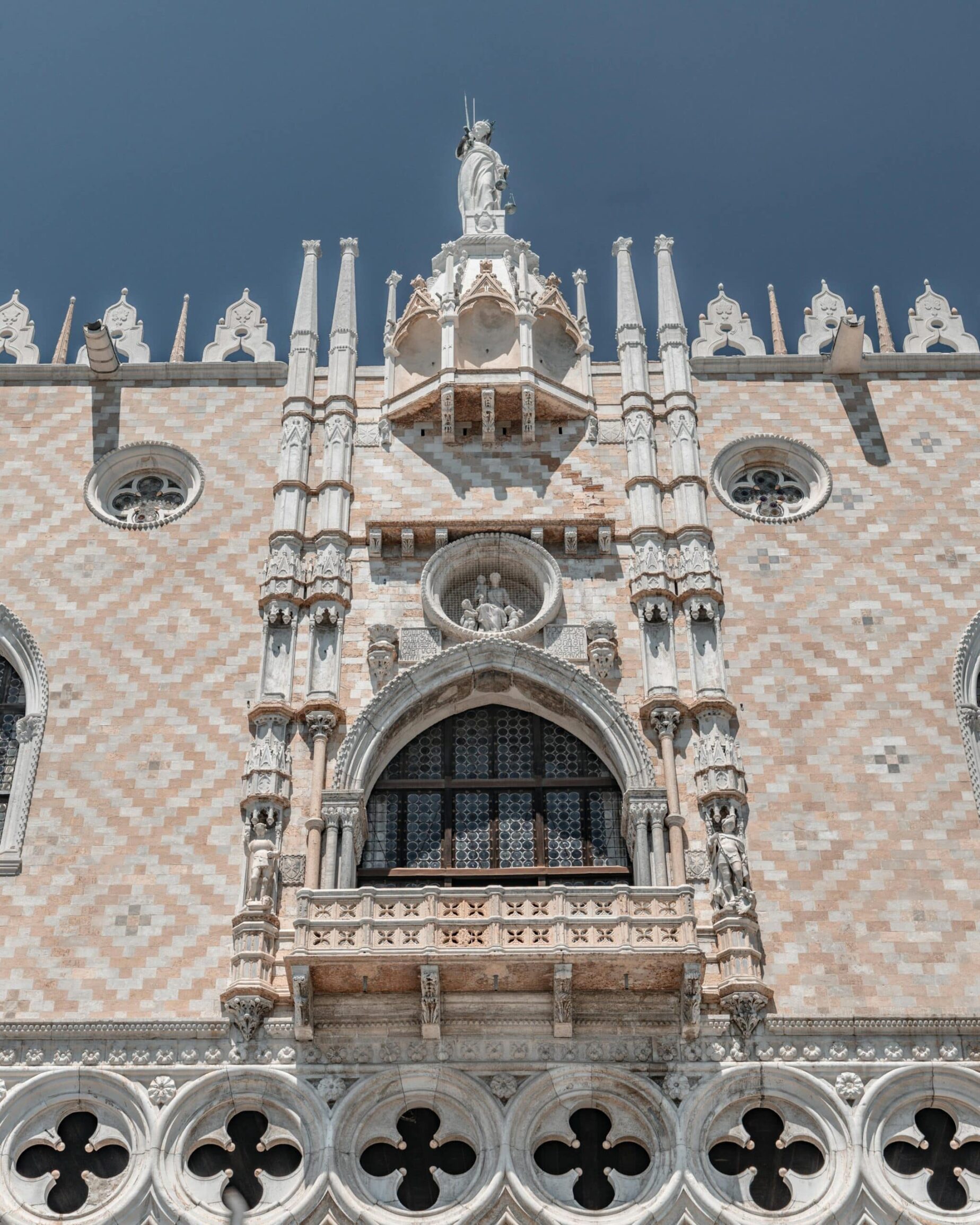
Exploring the city on foot offers a different perspective. Walking allows travelers to notice architectural details, hidden courtyards, centuries-old family crests, and quiet streets that reveal how Florence evolved from a medieval trading center into the birthplace of the Renaissance. Rather than rushing from attraction to attraction, visitors begin to experience the city as generations of Florentines have: one story at a time.
Quick Answer
A private Florence walking experience offers far more than sightseeing. It connects the city’s most famous landmarks with the people, events, and ideas that shaped Renaissance Florence. Through local insight and historical context, visitors gain a deeper appreciation for the art, architecture, and culture that continue to define the city today.
History & Cultural Context
Florence has long been a city where commerce, politics, and creativity developed side by side.
Founded as a Roman settlement, Florence gradually grew into one of medieval Europe’s most prosperous cities. Its success was built on trade, banking, and skilled craftsmanship, creating wealth that would eventually fuel one of history’s greatest cultural movements.
By the fourteenth and fifteenth centuries, Florence had become the center of the Renaissance. Artists, architects, philosophers, and scientists embraced new ways of thinking that celebrated observation, human potential, and innovation. Their work transformed not only Florence but also the course of Western history.
This remarkable period was supported by a society that valued education, craftsmanship, and civic pride. Wealthy merchant families invested in public buildings, churches, and works of art that demonstrated both devotion and influence. Guilds encouraged excellence among artisans, while competition inspired artists to push the boundaries of what seemed possible.
The streets visitors walk today are the same streets where these ideas first took shape. Every square, palace, and church contributes another chapter to Florence’s remarkable story.
A City Built by Visionaries
Florence is often associated with a handful of famous names, but its legacy belongs to far more than celebrated artists alone.
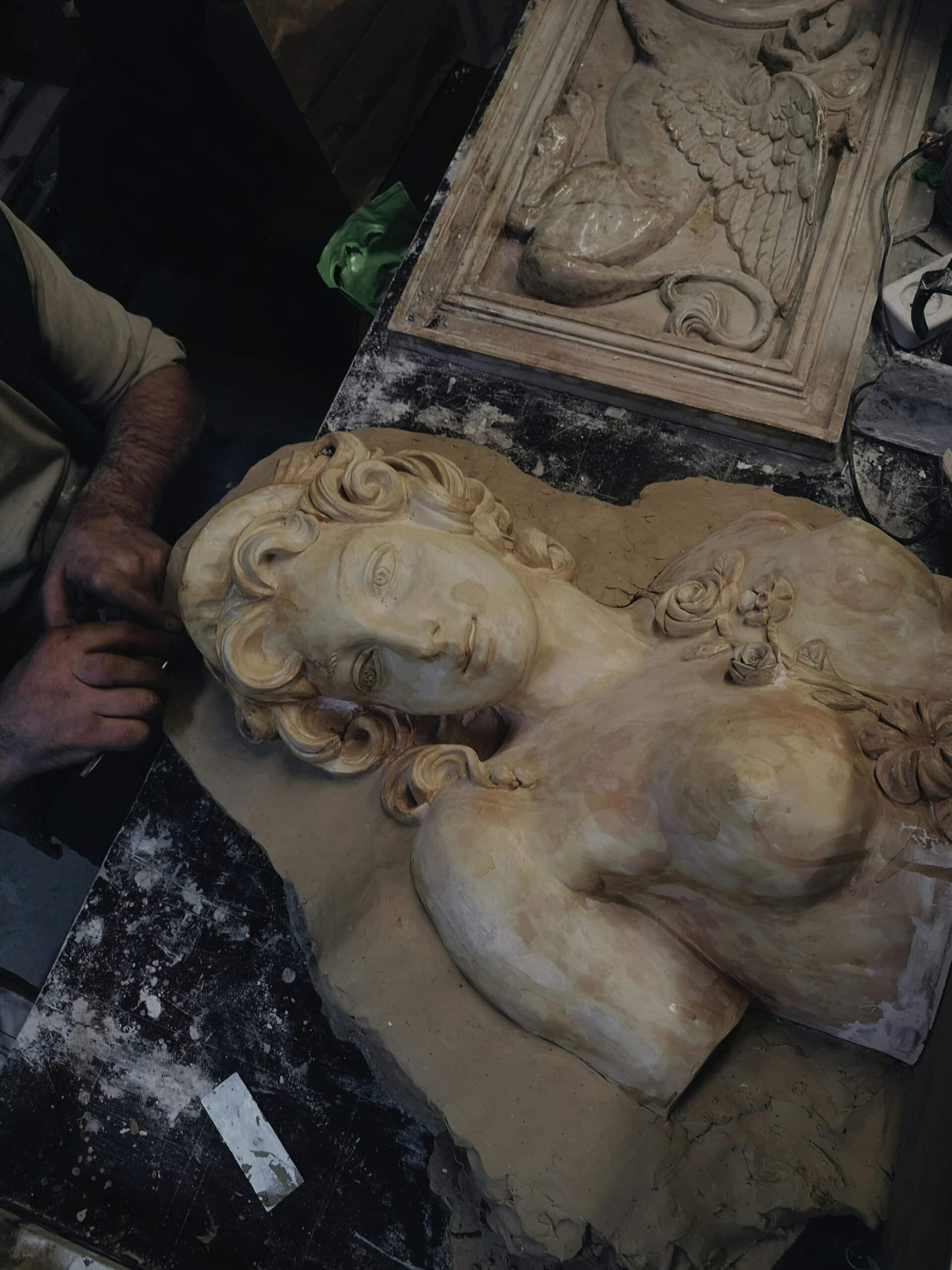
Architects designed buildings that reshaped the skyline. Goldsmiths perfected techniques that spread throughout Europe. Merchants connected Florence to international trade networks, while craftsmen devoted generations to mastering their skills.
The city’s neighborhoods developed around workshops, markets, religious institutions, and civic centers, creating a community where innovation became part of everyday life. Even seemingly ordinary buildings reveal traces of Florence’s past through carved symbols, family emblems, and architectural details that many visitors walk past without noticing.
Understanding these connections transforms a walk through Florence into something far richer than a sightseeing itinerary. The city becomes a living record of the people who imagined, built, and preserved it across centuries.
Why It Matters Today
Florence continues to inspire travelers because its history remains remarkably visible.
Unlike many historic cities, Florence has preserved much of its original character. Medieval streets still connect Renaissance piazzas, local workshops continue long-standing traditions, and public spaces remain places where residents gather, work, and celebrate.
Experiencing Florence with historical context changes the way visitors see the city. A church becomes more than an impressive building. A palace reflects political ambition. A bridge tells stories of commerce and daily life. Even a narrow alley can reveal centuries of local history hidden in plain sight.
For modern travelers, Florence offers an opportunity to slow down and experience a city where art, architecture, and everyday life have always existed together. Looking beyond the famous landmarks allows visitors to appreciate not only what Florence created during the Renaissance, but also why its influence continues to shape the world today.
Local Expert Tip
Many first-time visitors focus on reaching Florence’s most famous landmarks as quickly as possible, but locals often recommend doing the opposite. Slow down between destinations. Look up at the medieval towers, notice the family crests carved into palace walls, and pay attention to the small details hidden along quiet side streets. These overlooked features often reveal just as much about Florence’s history as its most celebrated monuments.
Experience It Firsthand
Reading about Florence’s Renaissance heritage provides valuable background, but walking through the city alongside a knowledgeable local offers a much richer perspective. The buildings, squares, and streets begin to tell a connected story rather than appearing as individual attractions.
Artviva’s The Original Florence Walk introduces visitors to the city’s historic center through engaging storytelling and expert local insight. Instead of simply pointing out famous landmarks, the experience explains how artists, merchants, political leaders, and influential families shaped Florence into one of the world’s greatest cultural capitals. Along the way, travelers discover hidden details, architectural features, and historical connections that are easy to miss when exploring independently.
Learn more here:
The Original Florence Walk – The Best Private Florence Walking Tour
Many travelers find that this deeper understanding transforms the rest of their visit. Museums become more meaningful, public squares reveal new significance, and even ordinary streets begin to tell extraordinary stories.
Practical Travel Advice
Florence’s historic center is compact and best explored on foot, making comfortable walking shoes one of the most important items to bring. The streets are paved with centuries-old stone, and taking time to move at a relaxed pace allows visitors to appreciate architectural details that are often overlooked.
Morning and late afternoon are particularly enjoyable times to explore, when temperatures are more comfortable and the changing light highlights the city’s Renaissance architecture. Travelers planning to visit museums may also benefit from exploring the surrounding neighborhoods first, as understanding Florence’s history adds valuable context to many of its world-famous collections.
Because the historic center is a UNESCO World Heritage Site, nearly every street offers something worth noticing. Allow extra time between major landmarks—you may discover that your favorite moments happen far from the busiest crowds.
Seasonal Considerations
Spring
Spring brings comfortable temperatures, blooming gardens, and lively piazzas, making it one of the most enjoyable seasons for exploring Florence on foot.
Summer
Early mornings and evenings offer the most pleasant walking conditions during the warmer months. The city’s streets are full of energy, and longer daylight hours provide more time to explore.
Autumn
Autumn combines cooler weather with beautiful golden light that enhances Florence’s historic architecture. Many travelers consider it one of the best times to experience the city.
Winter
Winter offers a quieter atmosphere with fewer visitors, allowing travelers to enjoy Florence’s streets, churches, and public squares at a slower pace while experiencing a more local side of the city.
Frequently Asked Questions
Why is Florence considered the birthplace of the Renaissance?
Florence became the birthplace of the Renaissance because of its wealth, influential patrons, thriving artistic community, and culture of innovation that encouraged new ideas in art, science, and architecture.
Is Florence easy to explore on foot?
Yes. Florence’s historic center is relatively compact, allowing visitors to walk between many of its most important landmarks while discovering hidden streets and architectural details along the way.
What makes a guided walking experience worthwhile?
A knowledgeable guide provides historical context and local insight that help connect Florence’s landmarks, making it easier to understand the city’s artistic, political, and cultural development.
How much time should I spend exploring Florence?
While several days allow visitors to experience Florence more fully, even a single walking experience can provide an excellent introduction to the city’s history and most significant landmarks.
What should I wear for a walking experience in Florence?
Comfortable walking shoes are recommended, along with weather-appropriate clothing and a reusable water bottle, particularly during the warmer months.
Conclusion
Florence is far more than a collection of beautiful landmarks. It is a city where every piazza, palace, church, and quiet street reflects centuries of creativity, ambition, and human achievement. Understanding the stories behind these places transforms a visit from simple sightseeing into a deeper appreciation of one of the world’s most influential cultural capitals.
Exploring Florence on foot allows travelers to experience the city at the pace it deserves. Small architectural details, hidden corners, and everyday streets reveal how the Renaissance continues to shape modern Florence, creating moments of discovery that stay with visitors long after their journey ends.
For travelers seeking a richer understanding of the city, Artviva’s The Original Florence Walk offers an engaging introduction through expert storytelling, local knowledge, and thoughtful exploration. By connecting Florence’s landmarks with the people and ideas that shaped them, the experience provides a meaningful way to discover the city beyond the postcard.
Learn more here:
The Original Florence Walk – The Best Private Florence Walking Tour