

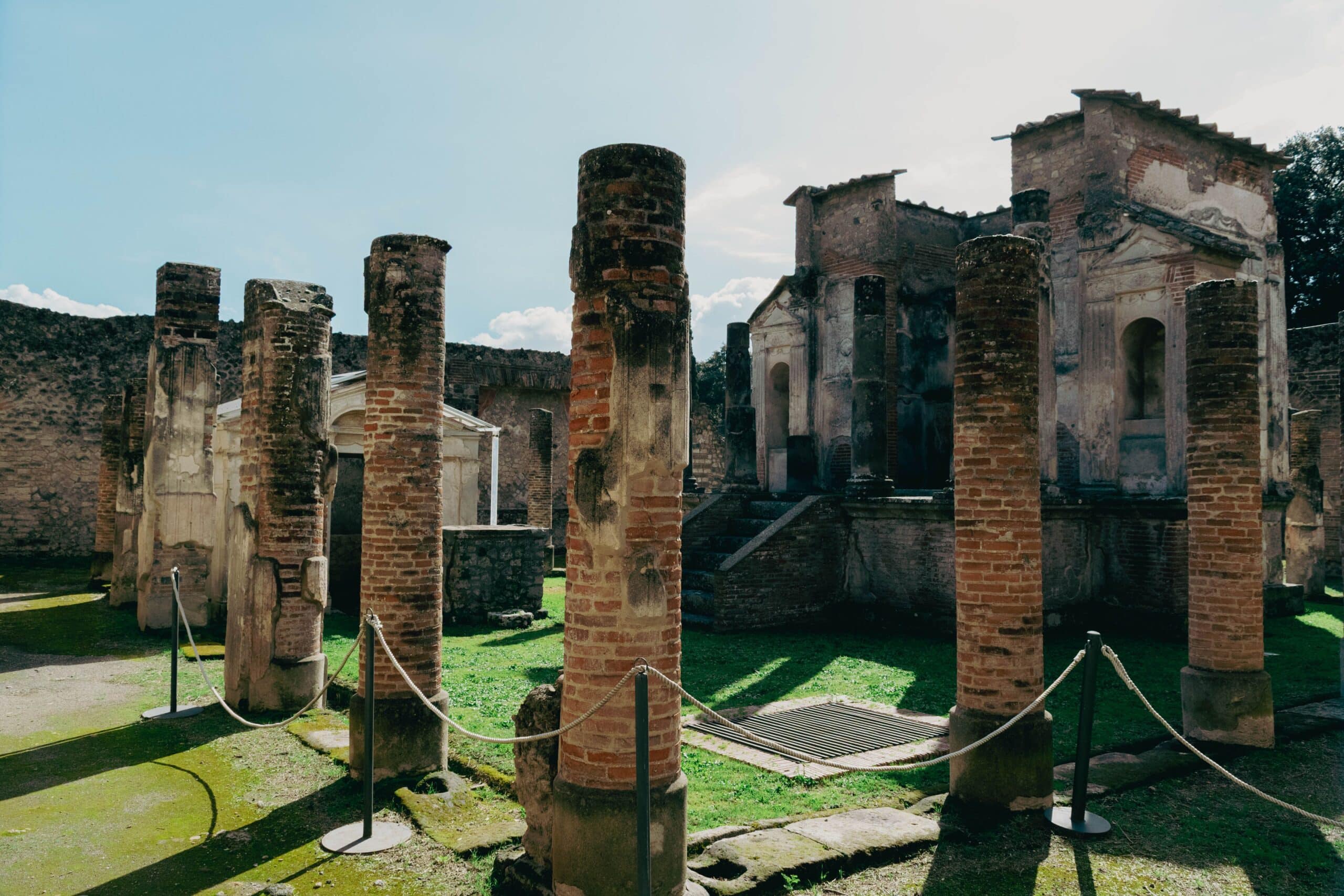
Private Pompeii Tour: Walk Through Ancient Rome with Artviva
A private Pompeii tour gives you something a standard visit cannot: time, space, and a guide who can bring the ancient city back to life in a way that feels personal. Pompeii is not just a famous archaeological site near Naples. It is one of the most moving places in Italy, where Roman streets, homes, temples, frescoes, and baths still hold the details of daily life from nearly two thousand years ago.
With Artviva, your visit is led by an expert historian-guide who shapes the experience around your pace and interests. You can pause in front of a faded fresco, ask about Roman family life, or stand quietly in the forum and imagine the city before Mount Vesuvius changed everything in 79 AD.
Pompeii Private Tour Quick Answer
The best way to visit Pompeii is with a private guide who can explain the city’s history, layout, art, and daily life while helping you move through the site comfortably. A private Pompeii tour is ideal for travelers who want a deeper, more personal experience without feeling rushed through the ruins.
Why Choose a Private Pompeii Tour
Pompeii can feel overwhelming on your own. The site is large, the streets are uneven, and many of the most meaningful details are easy to miss without context. A private guide helps turn the ruins into a clear story.
Instead of simply seeing ancient walls, you understand what they were used for. Instead of walking past frescoes, you learn what they reveal about taste, status, and Roman beliefs. Instead of reading a few signs, you begin to picture the city as it once was: busy, social, artistic, and full of everyday routines.
Artviva’s private Pompeii experience gives you room to ask questions, slow down, and focus on what interests you most, whether that is archaeology, Roman engineering, family life, religion, architecture, or the eruption of Mount Vesuvius.
What You See on the Best of Pompeii Tour
Your tour begins at Pompeii’s main entrance, where your guide sets the scene before leading you into the ancient city. From there, the visit may include some of Pompeii’s most powerful landmarks.
You may walk through the temples of Jupiter and Apollo, once central to the city’s religious life. These spaces help show how closely politics, belief, and public identity were connected in Roman society.
You may also visit the ancient marketplace, where merchants once sold goods brought from across the Roman world. It is one of the best places to understand Pompeii as a working city, not just a preserved ruin.
The Terme Stabiane, Pompeii’s Roman baths, reveal how advanced Roman engineering and social life were. These baths were not only places to wash. They were places to meet, relax, and take part in the rhythm of the city.
Another highlight is the amphitheater, one of the oldest known Roman amphitheaters. It once held thousands of spectators and still gives visitors a strong sense of Pompeii’s public entertainment culture.
History and Cultural Context
Pompeii was a thriving Roman city near the Bay of Naples before the eruption of Mount Vesuvius in 79 AD. The eruption buried the city under ash and pumice, stopping daily life almost instantly. What makes Pompeii so extraordinary is that this destruction also preserved it.
Homes, shops, streets, mosaics, frescoes, and even human forms survived in ways rarely seen at other ancient sites. Because of this, Pompeii gives modern visitors a rare look at Roman life that feels direct and personal.
The city was rediscovered in the eighteenth century, and its excavation changed how people understood the ancient world. Unlike grand monuments that only show official power, Pompeii shows ordinary life too: kitchens, courtyards, bakeries, baths, bedrooms, political messages, and neighborhood streets.
This is why Pompeii remains so moving. It reminds visitors that history was lived by real people with routines, hopes, habits, and homes.
Best Time to Visit Pompeii
Spring and autumn are often the best seasons to visit Pompeii. The weather is usually more comfortable, and the light across the ruins can be beautiful for photography and quiet reflection. These seasons are also popular, so private guide availability can be limited.
Summer offers longer daylight and works well for travelers combining Pompeii with the Amalfi Coast, Naples, or Sorrento. However, the site can be hot, so an earlier tour time is usually best.
Winter can be quieter and atmospheric, especially for travelers who prefer fewer crowds. Pompeii in soft winter light feels calmer, and your guide can often create a more reflective pace.
Local Expert Tip
Wear comfortable shoes with real support. Pompeii’s ancient streets are beautiful, but the stones can be uneven. Bring water, a hat in warmer months, and avoid planning a rushed visit. Even a two-hour private tour feels much richer when you arrive rested and ready to slow down.
For a more complete day, Artviva can arrange private transportation and pair Pompeii with nearby experiences such as Herculaneum, Mount Vesuvius, Naples, Sorrento, or the Amalfi Coast.
Who This Pompeii Experience Is Best For
This private Pompeii tour is ideal for couples, families, small groups, and curious travelers who want more than a surface-level visit. It works especially well for guests who love history, archaeology, architecture, art, or storytelling.
Families with older children often find Pompeii surprisingly engaging because the city feels real. Instead of looking at objects behind glass, they walk through streets, homes, baths, and public spaces that once shaped everyday life.
For couples or private groups, the experience can feel intimate and thoughtful. There is space to pause, ask questions, and take in the emotional weight of the site.
Why Visit Pompeii with Artviva
Artviva has been creating expert-led cultural experiences in Italy since 1996. The company is known for private, highly personal tours shaped by strong local knowledge and thoughtful storytelling.
For Pompeii, that matters. The site deserves more than a rushed explanation. With the right guide, Pompeii becomes vivid, human, and unforgettable. You do not just learn what happened. You begin to understand how people lived before the eruption and why the city still matters today.
Artviva can also personalize the experience with private transfers, extended itineraries, lunch, wine tastings, or visits to nearby destinations.
People Also Ask About Pompeii
Is a private Pompeii tour worth it?
Yes. A private Pompeii tour is worth it because the site is large and full of details that are easy to miss. A guide helps you understand the history, art, architecture, and daily life behind the ruins.
How long should I spend in Pompeii?
A focused private tour can be done in about two hours, but travelers with a deeper interest in archaeology may want more time. Artviva can extend the experience or combine it with other nearby sites.
Can you visit Pompeii from the Amalfi Coast?
Yes. Pompeii can be visited from the Amalfi Coast, Naples, or Sorrento. Private transportation can make the day smoother and more comfortable.
Is Pompeii good for families?
Yes, especially for children around eight and older. The streets, homes, baths, and amphitheater make history feel real and easier to imagine.
What should I wear to Pompeii?
Wear comfortable walking shoes, light layers, and sun protection in warmer months. The ancient streets are uneven, so supportive shoes make a big difference.
Plan Your Private Visit to Pompeii
Pompeii is one of Italy’s most unforgettable places, but the experience depends on how you see it. With Artviva, your private guide helps you move beyond the ruins and into the real story of the city.
Reserve your private Pompeii tour early, especially for spring and autumn travel, when demand is highest. For travelers who want a richer day, Artviva can also design a tailored itinerary with Pompeii, the Amalfi Coast, Naples, Sorrento, Herculaneum, or Mount Vesuvius.
To experience Pompeii with depth, comfort, and expert local insight, inquire with Artviva and begin planning your private visit.