A Taste of Tuscany: Discover Artisan Cheese Making in the Chianti Countryside
There is a moment during a true cheese making experience in Tuscany when the transformation feels almost magical.
Fresh milk warms gently. Curds begin to form. A cheesemaker explains techniques refined through generations. Outside the window, vineyards roll across the hills of Chianti while olive trees sway in the afternoon breeze.
Many travelers visit Tuscany for its wine, art, and landscapes. Fewer discover the traditions that have sustained rural families for centuries. Spending a day on a working farm offers a rare opportunity to step beyond sightseeing and participate in a living piece of Tuscan culture.
At an award-winning family farm in the Chianti countryside, guests learn the craft of artisan cheese making, explore vineyards and olive groves, and enjoy a leisurely farm lunch paired with estate wines and olive oil.
For travelers seeking meaningful experiences, this is one of the most rewarding days you can spend in Tuscany.
What Is a Cheese Making Experience in Tuscany?
A cheese making experience in Tuscany is a hands-on culinary activity where guests learn traditional methods for creating Italian cheeses such as ricotta and pecorino directly from local producers.
Most experiences include:
- A guided visit to a working farm
- Hands-on cheese making instruction
- Tastings of artisan cheeses
- Vineyard and olive grove tours
- A farm-to-table lunch
- Wine and olive oil tastings
The experience allows travelers to connect with local food traditions while learning skills they can take home.
Why Chianti Is the Perfect Place to Learn Cheese Making
Chianti’s reputation often revolves around wine, but the region’s culinary identity extends far beyond its vineyards.
The landscape provides ideal conditions for farming. Rolling hills, fertile soil, and a mild climate support olive trees, vineyards, livestock, and diverse agricultural production.
For centuries, local farmers have produced cheeses that reflect the unique character of the region.
Pecorino remains one of Tuscany’s most celebrated cheeses. Made from sheep’s milk, it develops distinct flavors influenced by local pastures and seasonal conditions. Fresh ricotta, meanwhile, showcases simplicity at its finest.
When travelers learn cheese making in Chianti, they gain insight into a broader food culture where every ingredient reflects the surrounding landscape.
What Happens During a Cheese Making Experience in Tuscany?
One reason guests love this experience is that it combines learning, tasting, and exploration into a single day.
Every activity builds a deeper understanding of rural Tuscany.
A Warm Welcome at a Family Farm
The day begins at a family-owned estate surrounded by vineyards and olive groves.
Unlike large commercial operations, these farms remain deeply personal. The owners often greet guests themselves, sharing stories about their history, farming philosophy, and connection to the land.
You quickly sense that this is not a performance created for visitors.
This is daily life.
Learning the Art of Traditional Cheese Making
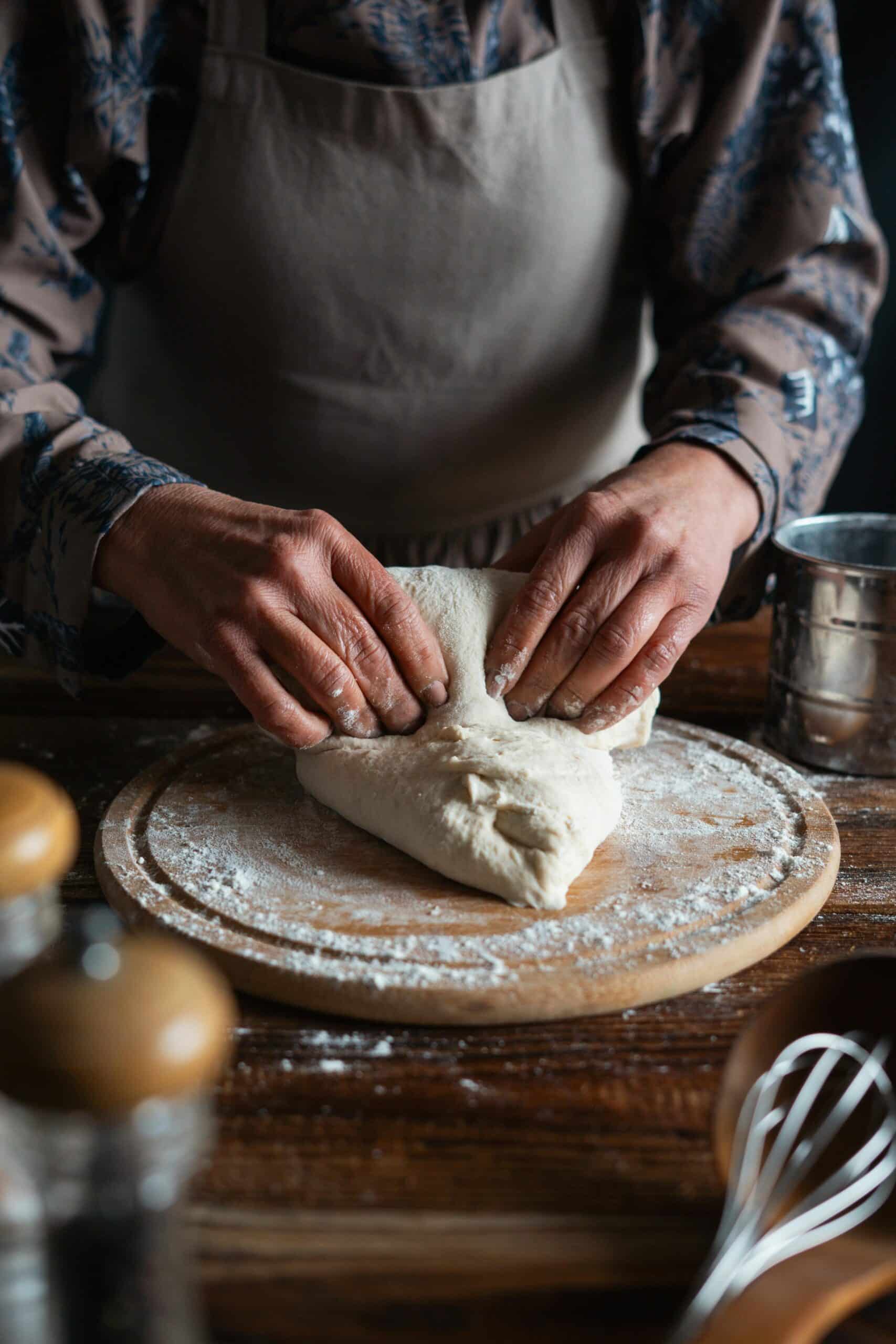
Inside the dairy workshop, the real hands-on experience begins.
Guests learn how local producers transform fresh milk into traditional cheeses using techniques refined over generations.
Depending on the season and production schedule, you may learn how to make:
- Fresh ricotta
- Pecorino
- Seasonal specialty cheeses
Under expert guidance, you’ll:
- Heat milk to the proper temperature
- Add natural ingredients
- Cut and stir curds
- Shape cheese by hand
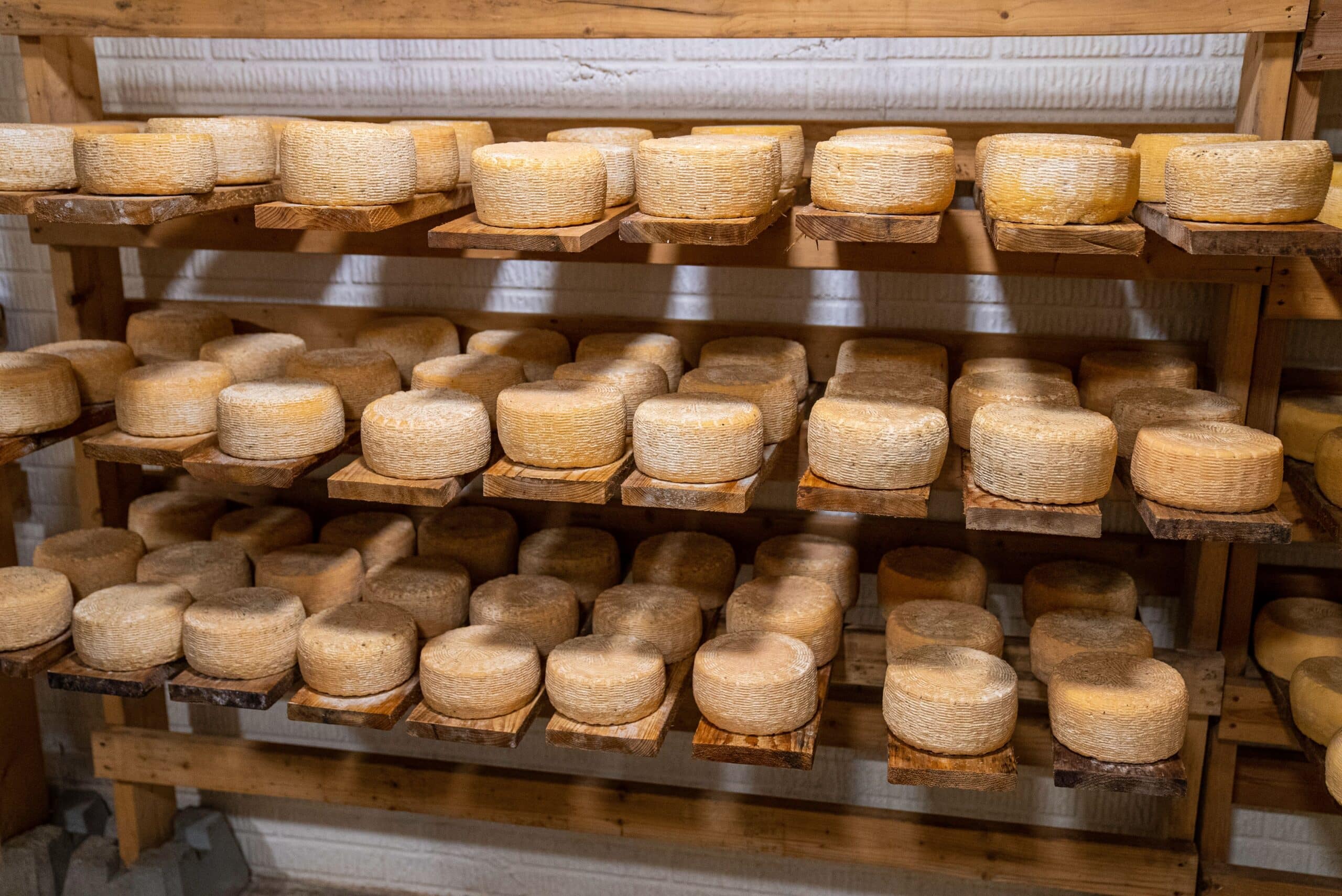
- Learn aging and storage methods
The process feels surprisingly accessible, yet each step reveals layers of skill and knowledge.
By the end of the workshop, many guests gain a new appreciation for every piece of cheese they encounter throughout Italy.
The Connection Between Cheese, Wine, and Olive Oil
One of the most fascinating aspects of Tuscan food culture is how closely everything connects.
Cheese does not exist in isolation.
The same farm that produces cheese may also cultivate vineyards and olive groves. The flavors complement one another naturally because they originate from the same landscape.
After the workshop, guests often stroll through the estate while learning how:
- Soil affects flavor
- Climate influences harvests
- Sustainable farming practices support quality
- Seasonal cycles shape production
This broader perspective helps explain why Tuscany remains one of the world’s most respected culinary regions.
A Farm Lunch Worth Lingering Over
Italian meals are rarely rushed, especially in the countryside.
After the morning activities, guests gather for a leisurely lunch featuring farm-produced ingredients.
Depending on the season, the menu may include:
- Fresh cheeses
- Local cured meats
- Seasonal vegetables
- Homemade bread
- Estate olive oil
- Regional specialties
- Chianti wines
- The setting often becomes as memorable as the meal itself.
Views of vineyards stretch toward the horizon. Conversations flow naturally. Hosts share stories about local traditions, harvest seasons, and family recipes.
Many travelers describe this lunch as the highlight of their day.
Why Food Lovers Seek Out Hands-On Experiences
Travel has changed.
Many visitors no longer want to simply taste local food. They want to understand where it comes from and how it is made.
Hands-on experiences create a deeper connection.
Instead of observing from a distance, guests become participants.
You learn by doing.
You ask questions.
You meet producers.
You gain insights that transform future meals into richer experiences.
For travelers who value authenticity, this type of interaction often becomes far more memorable than a standard tasting.
Local Expert Tip
Many visitors schedule wine tastings across multiple days in Tuscany.
Consider pairing one wine-focused experience with a hands-on farm activity such as cheese making.
The combination offers a more complete understanding of Tuscan food culture and creates a wonderful balance between tasting and participation.
If you’re staying in Florence, a private transfer to Chianti allows you to enjoy the countryside without worrying about driving or navigation.
History & Cultural Context: Cheese Making in Tuscany Through the Centuries
Cheese production in Tuscany dates back thousands of years.
The ancient Etruscans, who inhabited much of central Italy before the Romans, practiced livestock farming and developed methods for preserving milk.
As rural communities expanded, cheese became a valuable source of nutrition and trade.
During the Middle Ages, monasteries played a major role in refining production techniques. Monks documented methods, improved aging processes, and helped spread knowledge throughout the region.
Pecorino emerged as one of Tuscany’s most important products.
Its durability made it ideal for travel and trade, while its flavor reflected local grazing conditions.
Today, many family farms continue these traditions while embracing modern standards of sustainability and quality.
When visitors participate in a cheese making workshop, they engage with a craft that has shaped Tuscan life for centuries.
Who Will Enjoy a Cheese Making Experience Most?
Couples
The combination of countryside scenery, exceptional food, and personal interaction creates a memorable day together.
Families
Children often enjoy the hands-on nature of the workshop and the opportunity to see how food is made.
Food Enthusiasts
Travelers passionate about regional cuisine gain valuable insight into one of Tuscany’s most important culinary traditions.
Small Groups of Friends
Sharing the process of creating cheese and enjoying lunch together creates a naturally social experience.
Corporate and Incentive Groups
Collaborative activities encourage teamwork while offering an authentic cultural experience.
Best Time of Year for Cheese Making in Tuscany
One of the advantages of this experience is that it works beautifully throughout the year.
Spring
Green hills and mild temperatures make farm visits especially pleasant.
Summer
Long days allow plenty of time to enjoy outdoor spaces and vineyard walks.
Autumn
Harvest season creates a vibrant atmosphere across the countryside. Many travelers combine cheese making with wine experiences during this period.
Winter
Fewer visitors and cozy farmhouse settings create an intimate atmosphere perfect for culinary experiences.
Every season reveals a different side of Tuscany.
Practical Tips for Planning Your Visit
To make the most of your day:
Wear comfortable shoes suitable for walking on farm paths.
Bring a camera or smartphone for photos.
Dress in layers, particularly during spring and autumn.
Arrive hungry.
Many guests underestimate how generous a Tuscan farm lunch can be.
If you have dietary requirements, notify your hosts in advance. Most farms can accommodate requests with proper notice.
Why Travelers Choose Artviva
Since 1996, Artviva has connected travelers with remarkable people throughout Italy.
The focus has always been on genuine experiences rather than staged encounters.
Artviva’s long-standing relationships with local families, artisans, and producers provide access to places that many visitors would never discover on their own.
Guests gain insight into the culture, traditions, and stories that shape everyday life in Tuscany.
The result is a travel experience that feels personal, engaging, and memorable.
People Also Ask
What cheese will I learn to make in Tuscany?
Most workshops focus on traditional cheeses such as ricotta and pecorino, though seasonal variations may be offered depending on farm production schedules.
Do I need previous cheese making experience?
No. The experience is designed for beginners as well as food enthusiasts.
Is transportation included?
Private transfers can often be arranged from Florence, Chianti accommodations, and nearby villas.
How long does a cheese making experience last?
Most experiences last approximately seven to eight hours, including the farm visit, workshop, lunch, and tastings.
Can children participate?
Yes. Many workshops welcome families and children, particularly those interested in hands-on activities.
Can I buy products from the farm?
Most farms offer opportunities to purchase cheeses, wines, olive oils, honey, and other products directly from the estate.
Is this experience suitable year-round?
Yes. Cheese making workshops operate throughout the year, with each season offering a different atmosphere and perspective on rural life.
Why This Experience Stays With You
The most meaningful travel experiences often involve people.
The memory of shaping fresh cheese with your own hands remains vivid. So does the conversation with the farmer who explains why the sheep graze certain pastures. The lunch shared under the Tuscan sun. The glass of wine enjoyed while overlooking the vineyards.
These moments create a connection that extends far beyond a single day.
They offer a deeper understanding of Tuscany and the traditions that continue to define it.
For travelers who want more than a tasting, more than a tour, and more than a photograph, a Cheese Making Experience in Tuscany offers something increasingly rare.
A genuine encounter with the people, flavors, and craftsmanship that make this region extraordinary.
Availability is limited to preserve the personal nature of the experience. Contact Artviva to reserve your place at the farm through the Cheese Making Experience in Tuscany and discover Tuscany through one of its most enduring traditions.