
A Taste of the Renaissance: Florence’s Historic Recipes, Traditions & Flavors
Few cities wear their history as beautifully as Florence.
Renaissance masterpieces fill its churches. Palaces line its streets. The legacy of the Medici family still shapes the city more than five centuries later.
Yet one of Florence’s most fascinating stories rarely appears in guidebooks.
It unfolds at the dining table.
A Renaissance Cooking Class in Florence invites travelers to step beyond museums and monuments into a world of historic recipes, noble banquets, and culinary traditions that helped define one of Europe’s most influential eras.
Inside a historic Florentine kitchen, you’ll prepare dishes inspired by Renaissance cookbooks, learn from a chef-historian, and enjoy a feast accompanied by Tuscan wines. The experience offers a rare opportunity to understand Florence through its flavors, rituals, and stories.
For travelers seeking meaningful cultural experiences, few activities bring the Renaissance to life so vividly.
What Is a Renaissance Cooking Class in Florence?
A Renaissance Cooking Class in Florence is a hands-on culinary experience where guests prepare recipes inspired by 15th and 16th-century Florentine cuisine under the guidance of a chef-historian.
The experience typically includes:
- Historical insights into Renaissance food culture
- Hands-on preparation of authentic recipes
- Introduction to period ingredients and techniques
- Stories about Medici banquets and Florentine society
- A multi-course meal
- Tuscan wine pairings
- Recipes to take home
Unlike a traditional cooking class, this experience combines culinary education with cultural history, offering a deeper understanding of Florence during its golden age.
Why Food Offers a Unique Window into Renaissance Florence
Most visitors discover Florence through art.
They admire Michelangelo’s David, explore Renaissance churches, and walk through grand palaces.
Yet food played an equally important role in Florentine society.
Banquets served as political tools. Ingredients reflected wealth and influence. Dining rituals communicated status, education, and sophistication.
The Medici family understood this particularly well.
As Florence grew into a center of commerce, banking, and culture, the city’s elite transformed dining into a form of performance.
Meals became opportunities to display refinement, impress guests, and strengthen alliances.
Understanding Renaissance food culture reveals a side of Florence many travelers never encounter.
What Did People Eat During the Renaissance?
Contrary to popular assumptions, Renaissance cuisine often celebrated simplicity alongside extravagance.
While noble households enjoyed elaborate banquets, many ingredients remain familiar to modern Tuscan cooking.
Common ingredients included:
- Olive oil
- Seasonal vegetables
- Honey
- Herbs
- Grains
- Legumes
- Orchard fruits
- Game meats
- Fresh cheeses
Spices imported through trade routes also became symbols of wealth and sophistication.
Cinnamon, cloves, nutmeg, and pepper appeared frequently in noble kitchens.
The Renaissance palate often balanced sweet and savory flavors in ways that surprise modern diners.
Inside the Renaissance Cooking Class in Florence
The experience begins before the first ingredient reaches the table.
Entering a Historic Florentine Kitchen
Guests gather in an atmospheric setting that immediately evokes Florence’s past.
Stone walls, traditional tools, and carefully selected ingredients create an environment where history feels tangible.
Your chef-historian introduces the foundations of Renaissance cooking and explains how food reflected social structures throughout the city.
You quickly realize that every ingredient has a story.
Exploring a Renaissance Pantry
Before cooking begins, guests examine the ingredients that shaped daily life and noble feasts alike.
The chef explains:
- Which ingredients were common
- Which foods signaled wealth
- How trade influenced Florentine cuisine
- Why certain flavors became fashionable
- How seasonal cooking shaped menus
This context transforms the cooking process into a journey through history.
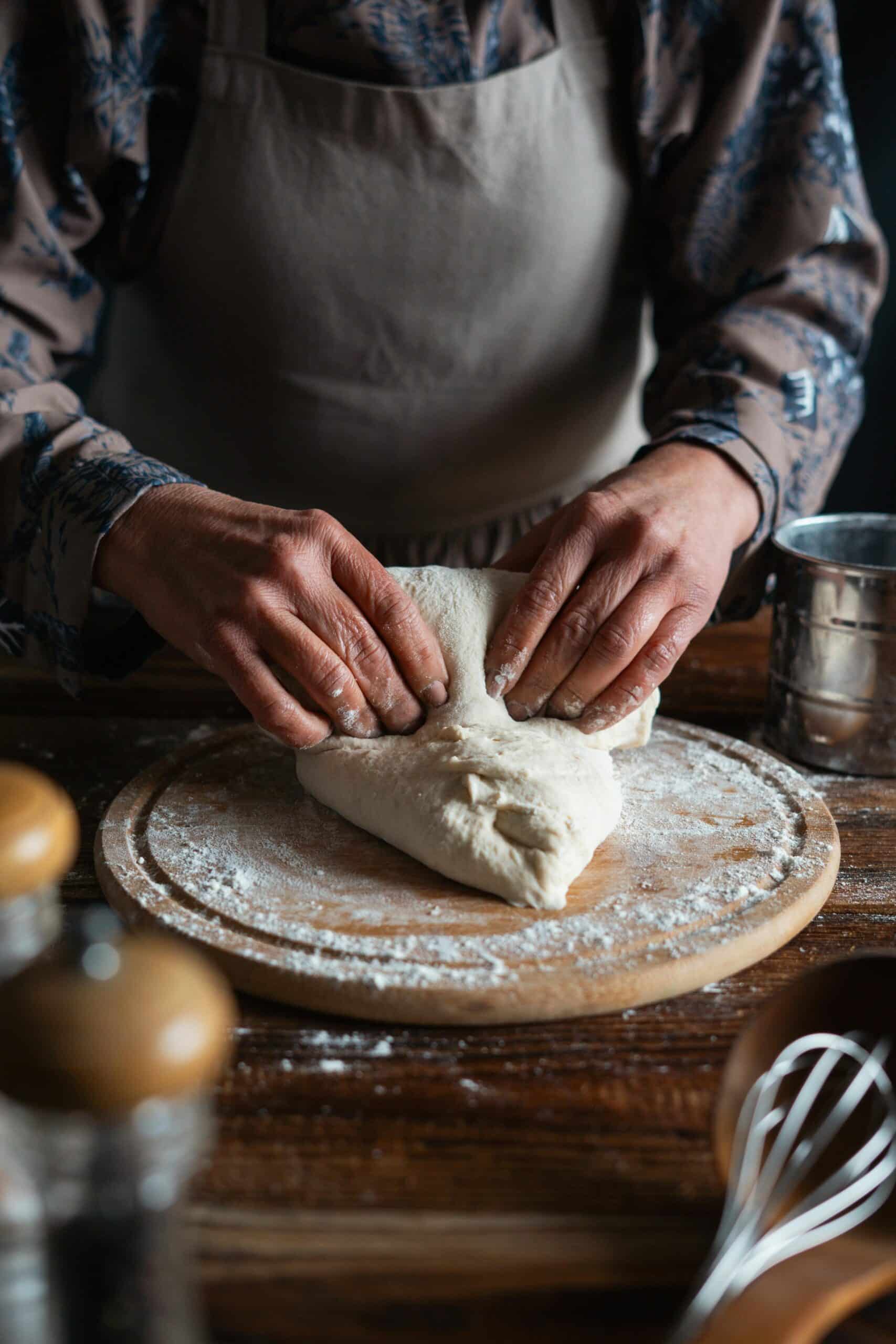
Preparing Authentic Renaissance Recipes
Unlike modern restaurant cooking, Renaissance cuisine emphasized harmony, seasonality, and balance.
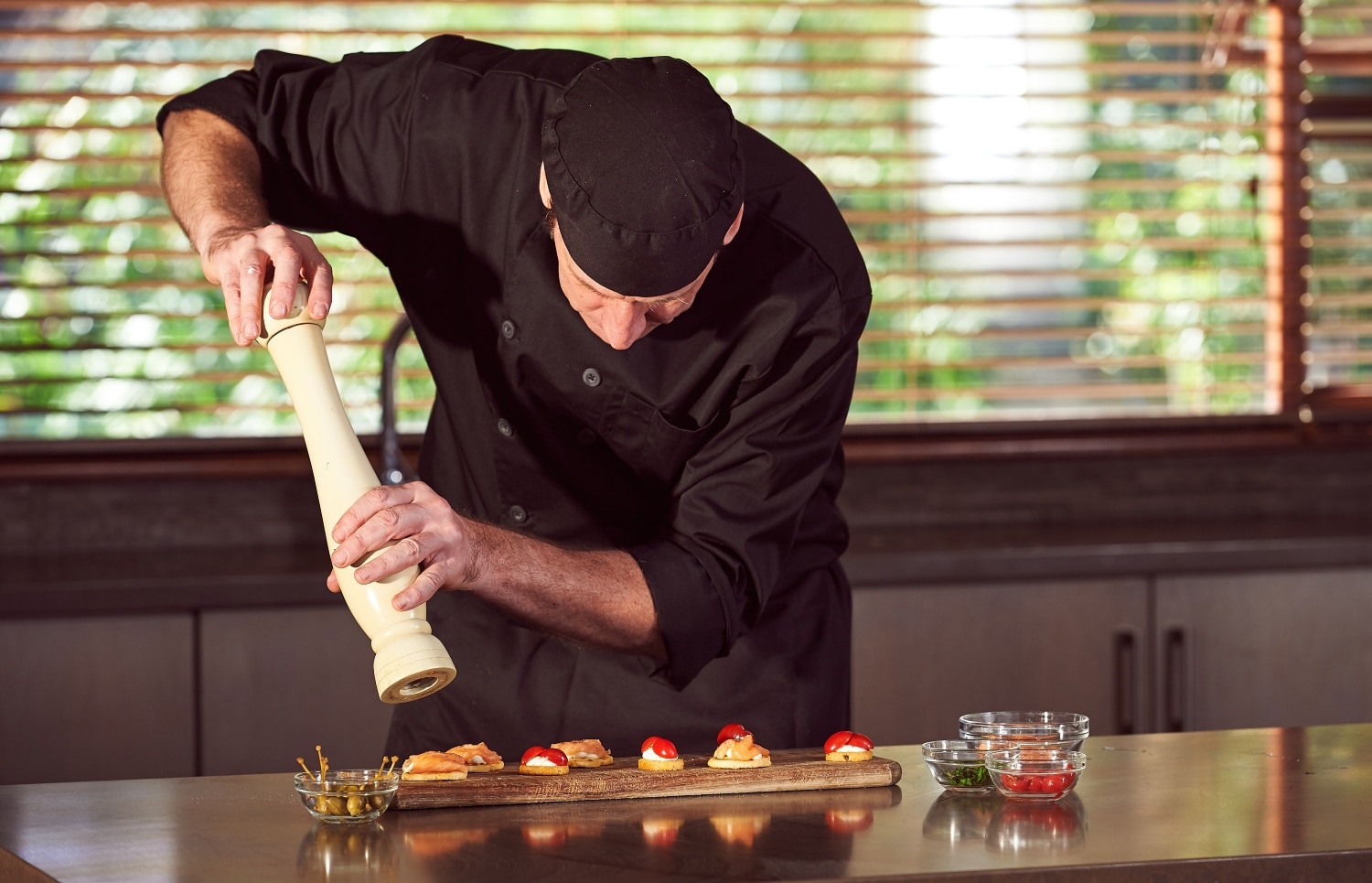
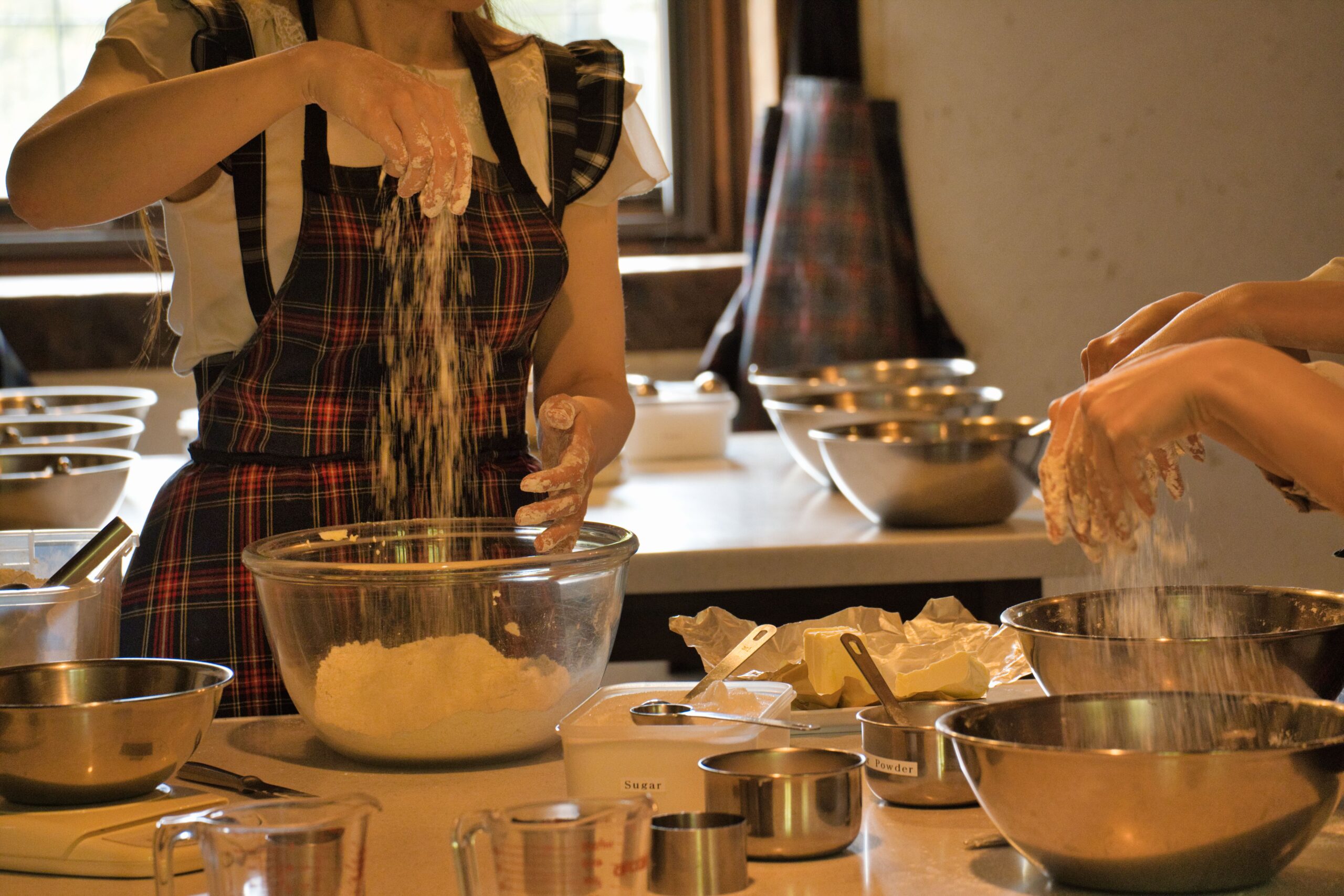
Guests work together to prepare dishes inspired by historical recipes.
Depending on the season, the menu may include:
- Rustic vegetable soups
- Hearty Tuscan stews
- Seasonal side dishes
- Herb-based preparations
- Honey-infused desserts
The recipes remain faithful to Renaissance traditions while remaining enjoyable for contemporary tastes.
Along the way, guests learn techniques that reveal how Florentines cooked centuries ago.
Food, Power, and the Medici Family
No discussion of Renaissance Florence is complete without the Medici.
The family’s influence extended far beyond banking and politics.
They shaped art, architecture, education, and culinary culture.
Banquets hosted by the Medici often became spectacles designed to impress visiting dignitaries and influential guests.
Food demonstrated wealth and sophistication.
Table settings showcased artistry.
Menus reflected access to rare ingredients and international trade networks.
Many dining customs that later spread throughout Europe emerged from the refined culture of Renaissance Italy.
During the class, these stories help guests understand why food mattered so deeply within Florentine society.
A Feast Inspired by History
After the cooking comes one of the most enjoyable parts of the experience.
The meal.
Guests gather around the table to enjoy the dishes they have prepared together.
Tuscan wines complement the menu while conversations continue about Florence, history, and local traditions.
The atmosphere often feels less like a class and more like a gathering among friends.
Many travelers cite this shared meal as the highlight of the evening.
The combination of food, storytelling, and companionship captures the essence of Italian hospitality.
Local Expert Tip
Visit Florence’s historic center before your cooking class and pay special attention to the city’s architecture.
As you walk past palaces built by wealthy merchant families and noble dynasties, you’ll gain a deeper appreciation for the stories discussed during the experience.
Many ingredients and culinary traditions explored in the class developed alongside the same artistic and cultural movements that transformed Florence into the cradle of the Renaissance.
The connection between the city and its food becomes much more vivid.
History & Cultural Context: How Renaissance Florence Changed European Dining
The Renaissance transformed nearly every aspect of European culture.
Food was no exception.
Florence stood at the center of this transformation.
As trade expanded, merchants imported spices, sugar, and luxury goods from across the Mediterranean and beyond.
Noble households began experimenting with increasingly sophisticated cuisine.
Dining evolved into a social art.
Banquets featured elaborate presentations, carefully planned seating arrangements, and multiple courses designed to entertain as much as nourish.
The Medici court helped spread many of these customs throughout Europe.
When Catherine de’ Medici married into the French royal family, Florentine culinary influences traveled with her, helping shape the development of French gastronomy.
Today’s Tuscan cuisine may appear simple, but many of its principles emerged during this remarkable period of innovation and refinement.
Why History Lovers and Food Lovers Both Love This Experience
Some travelers visit Florence primarily for art.
Others come for food.
This experience bridges both worlds.
History enthusiasts gain insight into everyday life during the Renaissance.
Food lovers discover the roots of Tuscan culinary traditions.
Together, these perspectives create a richer understanding of Florence than either approach alone.
The experience appeals particularly to:
Couples
A memorable evening combining culture, food, and wine.
Culinary Travelers
An opportunity to explore historic recipes rarely encountered elsewhere.
History Enthusiasts
A fascinating perspective on Renaissance daily life.
Families
An engaging way to introduce younger travelers to history through hands-on learning.
Private Groups
A distinctive cultural experience that encourages conversation and shared discovery.
When Is the Best Time to Take a Renaissance Cooking Class?
The experience runs beautifully throughout the year.
Spring
Seasonal vegetables and fresh herbs begin to appear in abundance.
Summer
Long evenings create a lively atmosphere in Florence.
Autumn
Many ingredients reach their peak, including mushrooms, grapes, and harvest produce.
Winter
Cooler temperatures make hearty Renaissance dishes particularly appealing.
Because the class takes place indoors, it remains an excellent option regardless of weather.
Practical Planning Tips
To get the most from the experience:
Arrive with curiosity.
Wear comfortable clothing suitable for cooking.
Bring a notebook if you enjoy collecting recipes and culinary insights.
Avoid scheduling a large dinner afterward.
The meal itself is often quite generous.
If you have dietary restrictions, inform Artviva in advance so appropriate adaptations can be arranged.
Why Travelers Choose Artviva
Since 1996, Artviva has specialized in experiences that connect travelers with Italy’s people, traditions, and stories.
The company’s philosophy goes beyond sightseeing.
Each experience aims to create meaningful encounters that reveal the deeper character of a destination.
Artviva’s Renaissance Cooking Class reflects that approach perfectly.
Guests leave with new skills, fascinating historical insights, and a stronger connection to Florence’s cultural heritage.
People Also Ask
Do I need cooking experience to join a Renaissance Cooking Class in Florence?
No. The class welcomes beginners and experienced home cooks alike.
What types of dishes are prepared?
Menus vary seasonally but often include soups, stews, vegetable dishes, and desserts inspired by Renaissance recipes.
Is wine included?
Yes. Tuscan wines accompany the meal and complement the menu.
How long does the experience last?
Most classes run approximately three hours.
Is the class suitable for children?
Yes. Children aged eight and older often enjoy the hands-on cooking and historical storytelling.
Can dietary restrictions be accommodated?
In many cases, yes. Advance notice allows for thoughtful adaptations.
Is this a private experience?
Both private and small-group options are available.
Why This Experience Stays With You
Florence offers countless opportunities to admire the Renaissance.
This experience allows you to taste it.
You hear stories once told in noble palaces.
You prepare recipes rooted in centuries of tradition.
You share food and wine around a communal table, just as generations of Florentines have done before.
Long after the trip ends, many travelers remember the details.
The aroma of fresh herbs.
The warmth of the kitchen.
The conversation over dinner.
The realization that history becomes far more vivid when experienced through the senses.
For those seeking a deeper connection to Florence, a Renaissance Cooking Class offers one of the city’s most rewarding and memorable cultural experiences.
Availability is limited to preserve the intimate atmosphere. Contact Artviva today to reserve your place in the Renaissance Cooking Class and discover Florence through the flavors of its most extraordinary era.