

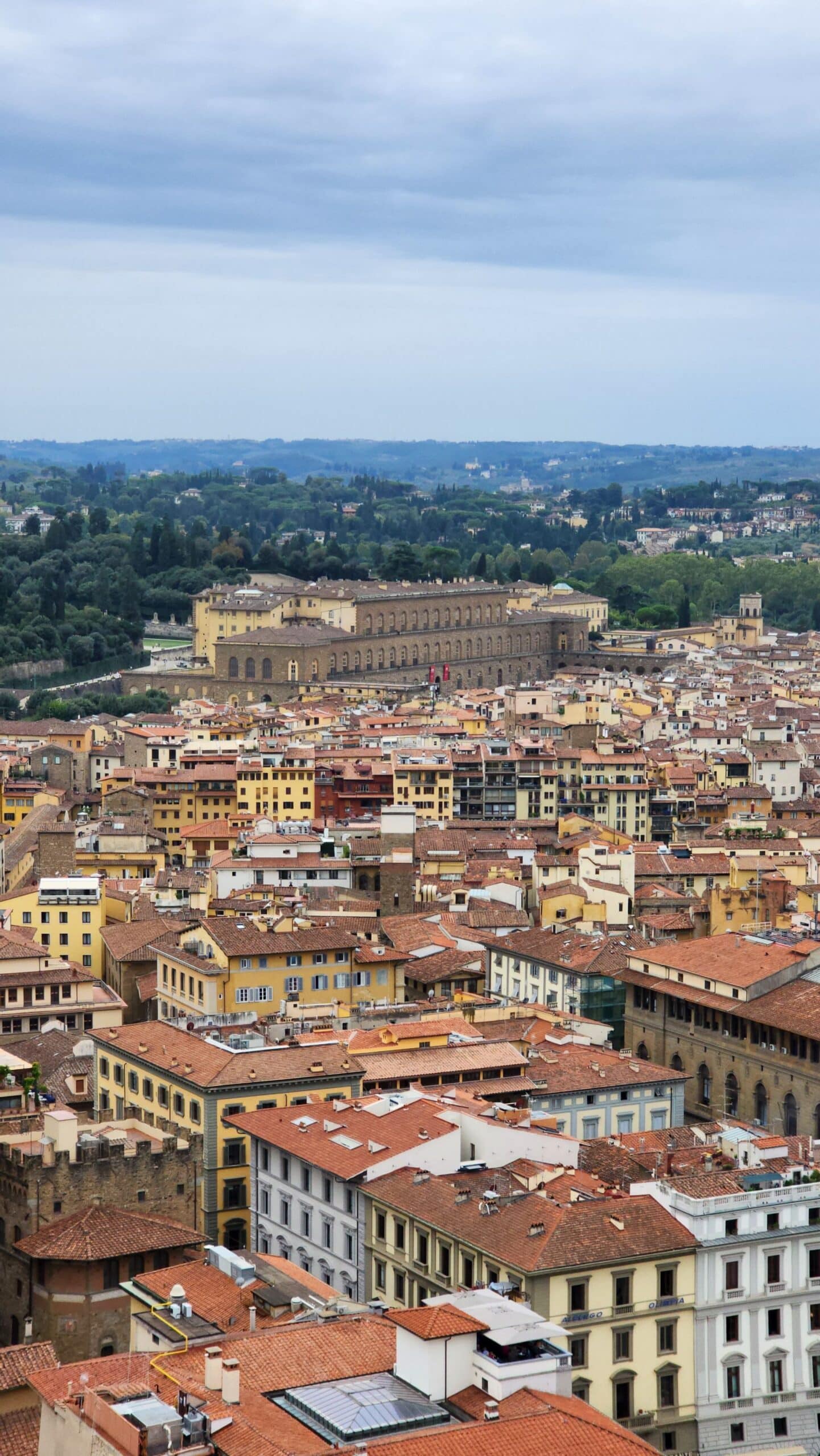
The Renaissance Masterpieces That Define Florence
Florence is often called the birthplace of the Renaissance, but that description only hints at its importance. Within a remarkably compact historic center, artists, architects, and visionaries transformed the way the world understood beauty, science, and human potential. Their work continues to shape museums, classrooms, and cities across the globe.
For many visitors, Florence is a place to admire famous landmarks and world-renowned masterpieces. Yet the city’s greatest works reveal far more than artistic brilliance. They tell the story of a republic that valued creativity, powerful families who invested in culture, and artists whose ideas forever changed Western civilization.
Whether you have a few days or only a short visit, understanding these masterpieces offers a richer appreciation of Florence and the remarkable legacy it continues to share with the world.
Quick Answer: What Are the Most Important Renaissance Masterpieces in Florence?
Florence is home to some of the world’s most celebrated Renaissance works, including Michelangelo’s David, Botticelli’s Birth of Venus, Brunelleschi’s magnificent dome atop Florence Cathedral, and the historic Piazza della Signoria. Together, these landmarks tell the story of a city that transformed art, architecture, and human thought during the fifteenth and sixteenth centuries.
Why Florence Became the Heart of the Renaissance
Few cities have influenced history as profoundly as Florence.
During the fifteenth century, the city emerged as one of Europe’s leading centers of commerce, banking, and intellectual life. Wealth generated through international trade allowed influential families, particularly the Medici, to support painters, sculptors, architects, scientists, and scholars whose ideas would shape generations to come.
Rather than creating art simply for decoration, Florence celebrated creativity as a reflection of civic pride, education, and innovation.
Artists experimented with perspective, anatomy, engineering, and storytelling in ways that had never been seen before. Architects reimagined ancient Roman techniques. Writers and philosophers placed greater emphasis on the individual, helping define the movement we now know as Renaissance humanism.
Walking through Florence today means experiencing a city where these achievements remain part of everyday life. Churches, museums, piazzas, and palaces still preserve many of the masterpieces that transformed European culture more than five hundred years ago.
Michelangelo’s David: A Symbol of Courage and Innovation
Among Florence’s countless artistic treasures, Michelangelo’s David remains its most recognizable masterpiece.
Carved from a single block of marble between 1501 and 1504, the sculpture represents the biblical hero David before confronting Goliath. Instead of depicting victory, Michelangelo chose the moment of quiet determination just before action, creating a figure filled with concentration, confidence, and restrained energy.
The choice carried enormous political meaning.
At the time, Florence viewed itself as a small but independent republic surrounded by more powerful rivals. David became a symbol of courage, intelligence, and resilience, reflecting the city’s own identity during a turbulent period of history.
Many visitors expect to admire an extraordinary sculpture.
What often surprises them is its remarkable realism.
Every muscle appears ready to move. Veins rise beneath polished marble. The subtle twist of the body creates a sense of movement that feels almost impossible to achieve in stone.
More than five centuries after its completion, David continues to inspire artists, historians, and travelers from around the world.
The Uffizi Gallery and the Story of Renaissance Painting
If Michelangelo’s David represents the height of Renaissance sculpture, the Uffizi Gallery showcases the extraordinary evolution of Renaissance painting.
Its collection traces centuries of artistic innovation, allowing visitors to witness how painters developed new approaches to perspective, composition, color, and storytelling.
Among its most celebrated works is Botticelli’s Birth of Venus, a painting that has become one of the defining images of the Renaissance. Inspired by classical mythology, it reflects the growing interest in beauty, humanism, and the rediscovery of ancient ideas that shaped the period.
Visitors also encounter masterpieces by Leonardo da Vinci, Raphael, Titian, Caravaggio, and Michelangelo, each contributing to the remarkable artistic dialogue that flourished in Florence.
Many visitors admire these paintings for their beauty alone.
The deeper story lies in understanding how each work reflects political ambition, religious devotion, scientific curiosity, and changing ideas about humanity itself.
Florence Beyond the Museums
Florence’s artistic legacy extends far beyond its galleries.
The historic center itself feels like an open-air museum where architecture, sculpture, and public spaces tell the story of the city’s remarkable past.
Piazza della Signoria has served as Florence’s political heart for centuries. Here, public sculptures stand alongside Palazzo Vecchio, reminding visitors that art and government were closely connected throughout the Renaissance.
A short walk away, Florence Cathedral dominates the skyline with Brunelleschi’s revolutionary dome. Completed during the fifteenth century, it remains one of the greatest engineering achievements in architectural history and continues to define the city’s silhouette today.
Crossing the Ponte Vecchio offers another perspective on Florence’s enduring character. Lined with historic jewelry shops and spanning the Arno River, the bridge has witnessed centuries of daily life while remaining one of Italy’s most recognizable landmarks.
Many visitors focus only on individual attractions.
Local experts often point out that Florence becomes even more meaningful when viewed as a complete city where art, politics, architecture, and everyday life developed together.
Why These Masterpieces Still Matter Today
The Renaissance is not simply a chapter in history.
Its influence continues to shape modern ideas about creativity, education, architecture, science, and artistic expression.
Florence reminds us that investment in culture can transform an entire society. The works created here continue to inspire museums, universities, artists, architects, and travelers across the globe.
For visitors, these masterpieces offer something increasingly valuable in today’s fast-paced world.
They encourage curiosity.
They reward careful observation.
They invite conversations that extend far beyond the walls of a museum.
Rather than simply checking famous landmarks off an itinerary, travelers gain a deeper appreciation for the people, ideas, and ambitions that helped shape one of history’s greatest cultural movements.
Local Expert Tip
Many first-time visitors try to see as much as possible in a single day, moving quickly from one attraction to the next.
Local experts often recommend a different approach.
Spend time with a few significant works instead of rushing through dozens. Looking closely at Michelangelo’s David or Botticelli’s *Birth of Venus often reveals details, symbolism, and craftsmanship that become more rewarding with each passing minute.
Sometimes slowing down provides the most memorable experience of all.