
Rome at Night: Discover the Eternal City After Sunset
Rome never truly sleeps, but it does transform. As daylight fades, the city’s famous monuments take on a quieter character. Marble glows beneath warm lights, fountains become the soundtrack of peaceful piazzas, and ancient streets invite visitors to slow their pace and see the Eternal City from a different perspective.
Many travelers spend their days moving between Rome’s celebrated landmarks, yet evening offers something equally rewarding. Without the intensity of midday crowds and summer heat, the city’s history feels closer, its architecture more dramatic, and its atmosphere unmistakably Roman.
Experiencing Rome after dark is not simply a different time of day. It is a different way of understanding the city.
Quick Answer
An evening walk through Rome offers cooler temperatures, beautifully illuminated landmarks, and a more relaxed atmosphere than daytime sightseeing. Visitors experience famous monuments, historic piazzas, and centuries of history in a setting that highlights the city’s architecture and timeless character.
Why Rome Changes After Sunset
During the day, Rome is energetic and bustling. Streets fill with visitors, cafés overflow onto piazzas, and iconic attractions draw crowds from around the world.
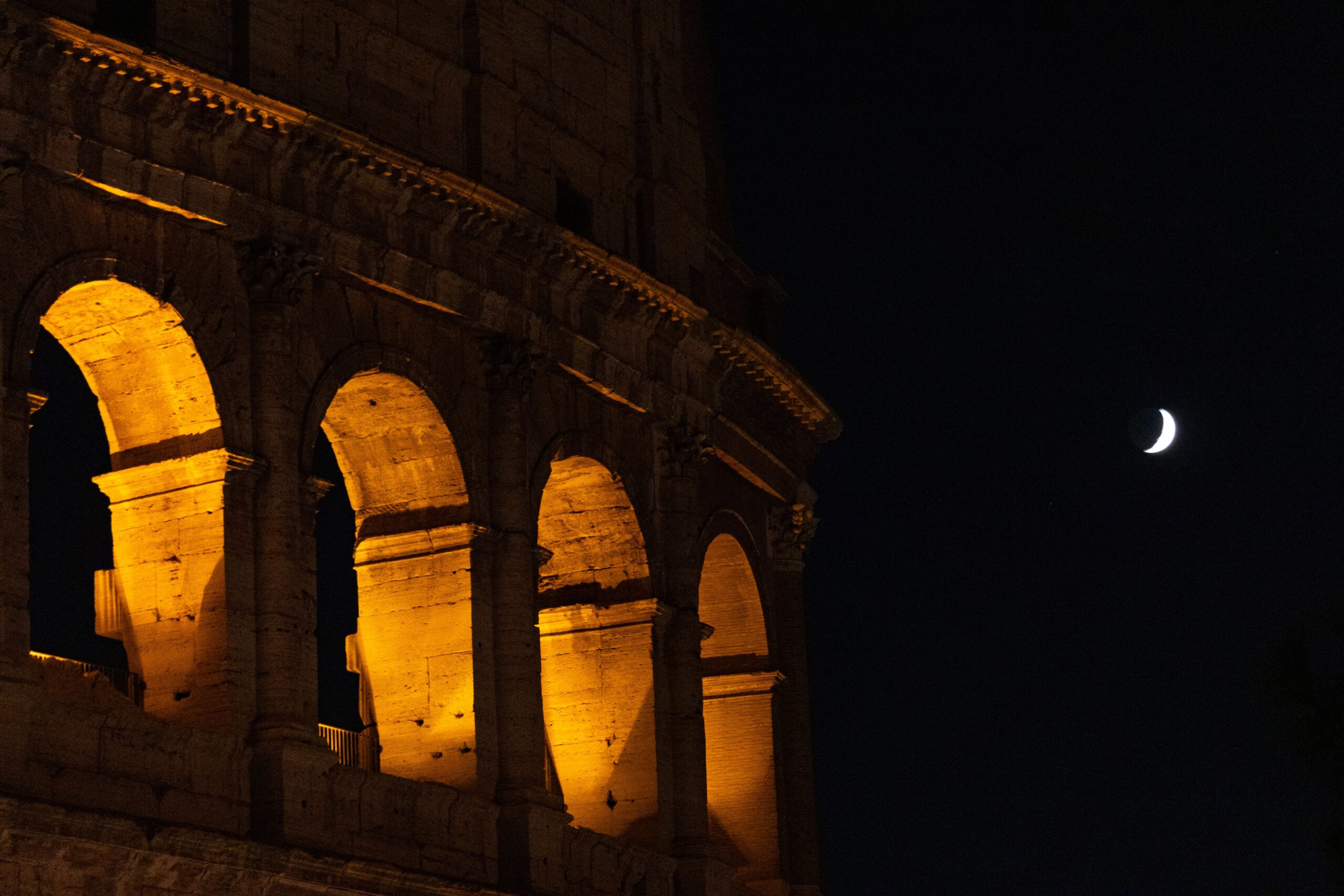
As evening arrives, the pace begins to shift. Historic squares become gathering places for locals enjoying an evening stroll, fountains echo through quieter streets, and the city’s most famous monuments are transformed by carefully designed lighting.
What most travelers never realize is that many of Rome’s greatest architectural masterpieces were designed to create dramatic visual effects at different times of day. As shadows lengthen and lights illuminate ancient stone, familiar landmarks reveal entirely new perspectives.
A Walk Through Two Thousand Years of History
Rome’s historic center becomes especially captivating after sunset because every era of the city’s history remains visible.
Ancient ruins stand beside Renaissance churches. Baroque fountains animate elegant piazzas, while medieval streets continue to guide modern life much as they have for centuries.
Walking through Rome at night allows visitors to appreciate how seamlessly these different periods coexist. Rather than feeling like separate attractions, the city becomes one continuous story stretching from the Roman Empire to the present day.
The deeper story lies not simply in individual monuments but in the remarkable connections between them.
Rome’s Most Beautiful Evening Atmosphere
Some places naturally come alive after dark.
Historic piazzas fill with conversation as cafés welcome evening guests. Fountains shimmer beneath soft lighting, while musicians often add to the atmosphere without overwhelming it. The city’s warm-colored stone reflects the evening light in ways that photographers and artists have admired for generations.
Many visitors discover that their favorite moments in Rome happen between the major attractions rather than at them. A quiet side street, an unexpected courtyard, or the sound of church bells drifting across a piazza often creates memories that last far longer than photographs alone.
Why Evenings Reveal a Different Rome
Exploring Rome after sunset encourages visitors to notice details that often disappear during busier hours.
Architectural textures become more pronounced beneath carefully placed lighting. Historic façades seem almost theatrical against the night sky, while the city’s fountains, sculptures, and public spaces invite slower observation.
Local experts often point out that evening also changes the rhythm of storytelling. Without the distractions of large crowds, visitors can focus more fully on the history, legends, and personalities that shaped Rome across the centuries.
The result is a more reflective experience that complements daytime exploration beautifully.
Experience It Firsthand
Reading about Rome’s evening atmosphere offers inspiration, but walking through the city with knowledgeable local guides provides a much deeper appreciation for its remarkable history and architecture.
Artviva’s Best of Rome by Night Experience introduces travelers to the Eternal City’s illuminated landmarks while revealing the stories, artistic achievements, and historical connections that many visitors overlook after sunset.
Learn more about the experience here:
Best of Rome by Night Private Tour
Rather than simply admiring famous monuments, visitors gain meaningful context that transforms an evening walk into an unforgettable journey through Rome’s history.
A Local Expert Tip
Try to begin your evening before sunset rather than after dark.
Watching the city transition from daylight into evening is one of Rome’s most memorable experiences. As the light changes, monuments gradually illuminate, cafés become livelier, and the atmosphere shifts from busy sightseeing to relaxed Roman evenings.
Allow yourself time to pause in a quiet piazza rather than rushing between landmarks. Rome often reveals its greatest charm in moments of stillness.
Practical Travel Advice
Evening walks can be enjoyed throughout the year, although spring and autumn offer especially comfortable temperatures. During the summer, nighttime provides welcome relief from the afternoon heat, making evening one of the best times to explore the city on foot.
Comfortable walking shoes are recommended, as Rome’s historic streets remain paved with uneven stone in many areas. Bringing a light jacket is advisable during cooler months, particularly later in the evening.
If possible, combine your walk with dinner afterward to experience the lively atmosphere of Rome’s restaurants and piazzas after dark.
Frequently Asked Questions
Is Rome worth exploring at night?
Absolutely. Evening offers a calmer atmosphere, beautifully illuminated monuments, and cooler temperatures that make walking through the historic center especially enjoyable.
Is Rome safe after dark?
Yes. Rome’s historic center remains lively during the evening, particularly around its major piazzas and landmarks.
When is the best time for an evening walk?
Beginning shortly before sunset allows visitors to enjoy both the golden evening light and Rome’s illuminated monuments after dark.
Is an evening walk suitable for families?
Yes. Families, couples, solo travelers, and groups all enjoy discovering Rome’s historic center in a more relaxed atmosphere.
Why explore Rome with a local guide?
Knowledgeable guides help connect the city’s history, architecture, and culture, revealing stories and details that many visitors would otherwise miss.
Discover Rome’s Most Memorable Hours
Rome has inspired travelers for centuries, but some of its most unforgettable moments happen after the sun goes down. Quiet streets, illuminated monuments, and timeless piazzas invite visitors to experience the city at a slower pace, where history feels remarkably close and every corner tells another chapter of its story.
An evening walk reveals that Rome is not simply a city of famous landmarks. It is a living place where ancient history, everyday life, and remarkable beauty continue to exist side by side.
For travelers seeking a deeper connection to the Eternal City, Artviva’s Best of Rome by Night Experience offers an engaging opportunity to explore Rome after dark with knowledgeable local experts.
Learn more or reserve your experience here: