
Rome’s Catacombs and the Appian Way: Discover the Ancient City Beyond the Crowds
Rome’s most famous landmarks rise proudly above ground, but some of its most fascinating history lies beneath the surface and beyond the city center. Underground passageways preserve the memory of early Christian communities, while an ancient road still stretches across the countryside much as it did more than two thousand years ago.
Together, the catacombs and the Appian Way reveal a quieter side of Rome, one that tells stories of ordinary citizens, religious traditions, engineering brilliance, and daily life far from imperial palaces and grand piazzas. For travelers looking to understand the Eternal City beyond its iconic monuments, few places offer such a remarkable journey through history.
Quick Answer
Rome’s catacombs are ancient underground burial networks created by early Christian and Jewish communities, while the Appian Way is one of the oldest surviving roads of the Roman Empire. Visiting both offers a deeper understanding of Rome’s religious history, remarkable engineering, and the everyday lives of the people who shaped the city across centuries.
Why the Catacombs Matter
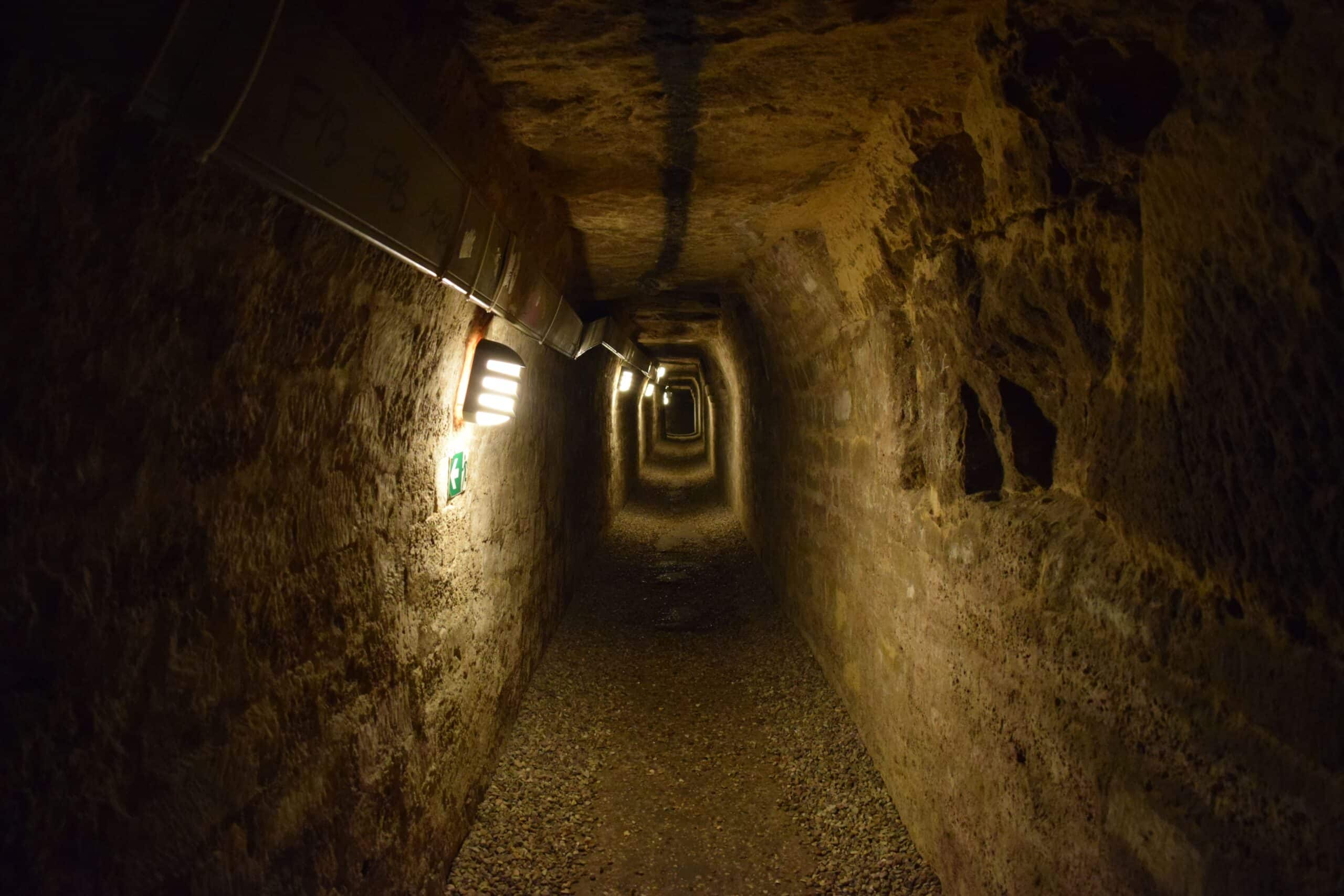
Beneath the countryside surrounding Rome stretches an extraordinary network of underground tunnels carved into soft volcanic rock. These catacombs served primarily as burial places during the second through fifth centuries, preserving the traditions and beliefs of early Christian communities.
Unlike popular myths, the catacombs were not secret underground cities where Christians permanently hid from persecution. Instead, they were sacred places of remembrance where families gathered to honor loved ones and celebrate important religious occasions.
Walking through these quiet passageways offers visitors an experience unlike any other in Rome. Ancient inscriptions, carved burial niches, and early Christian symbols provide a direct connection to a period that helped shape European history.
The Appian Way: Rome’s Ancient Highway
Just beyond the city walls lies the Via Appia Antica, one of the greatest engineering achievements of the ancient world.
Constructed in 312 BC, the Appian Way connected Rome with southern Italy, allowing armies, merchants, and travelers to move efficiently across the expanding Roman Republic and later the Empire. Remarkably, much of the original road survives today.
Walking along its basalt paving stones, visitors encounter tombs, aqueducts, churches, and archaeological remains scattered throughout a peaceful landscape that feels surprisingly distant from modern Rome.
What most travelers never realize is that the Appian Way was far more than a road. It became one of the defining arteries of the Roman world, influencing commerce, military campaigns, and everyday life for centuries.
A Landscape That Preserves History
The Appian Way and the catacombs are closely connected.
Roman law generally prohibited burials within the city walls, so cemeteries naturally developed alongside major roads leading into the countryside. Over time, elaborate tombs, mausoleums, and underground cemeteries created a remarkable historical landscape where transportation, religion, and memory became intertwined.
Unlike many archaeological sites, this area still feels remarkably authentic. Ancient paving stones remain beneath your feet, while stretches of countryside preserve much of the character that travelers would have encountered centuries ago.
The deeper story lies not simply in individual monuments but in the landscape itself.
Why This Side of Rome Feels Different
Many visitors spend their time moving between the Colosseum, the Vatican, and the Pantheon. While these landmarks deserve their reputation, the catacombs and Appian Way reveal another side of the Eternal City.
Here, the atmosphere is quieter. Pine trees replace busy traffic, open countryside replaces crowded piazzas, and the focus shifts from monumental architecture to the everyday lives of the people who built and inhabited ancient Rome.
Local experts often point out that this contrast helps visitors appreciate Rome as a living civilization rather than simply a collection of famous attractions.
Experience It Firsthand
Reading about Rome’s underground history offers valuable insight, but exploring the catacombs and the Appian Way with knowledgeable local guides provides a much richer understanding of the people, traditions, and historical events that shaped these remarkable places.
Artviva’s Best of the Catacombs & Appian Way Experience introduces visitors to early Christian Rome, ancient engineering, and one of the world’s oldest surviving roads through thoughtful storytelling and expert historical interpretation.
Learn more about the experience here:
Best of the Catacombs and Appian Way Tour
Rather than simply visiting archaeological sites, travelers gain meaningful context that brings Rome’s lesser-known history vividly to life.
A Local Expert Tip
Visit this part of Rome early in the day if possible.
Morning light creates beautiful conditions along the Appian Way, temperatures remain more comfortable for walking, and the peaceful surroundings encourage a slower appreciation of the landscape. After exploring the underground passages, spending time above ground offers a striking contrast that helps visitors better understand how these places are connected.
Allow yourself time to notice the silence. It is one of the area’s most remarkable qualities.
Practical Travel Advice
Spring and autumn are particularly enjoyable for exploring the Appian Way thanks to mild temperatures and beautiful natural scenery. Comfortable walking shoes are essential because sections of the ancient road remain uneven after centuries of use.
The catacombs maintain cool temperatures throughout the year, making a light jacket useful even during warmer months.
Planning at least half a day allows enough time to appreciate both the underground and outdoor portions of the experience without feeling rushed.
Frequently Asked Questions
Are the catacombs worth visiting?
Yes. They offer one of Rome’s most distinctive historical experiences and provide valuable insight into early Christian history and ancient burial traditions.
Why is the Appian Way so important?
The Appian Way was one of the Roman Empire’s earliest and most significant roads, connecting Rome to southern Italy and playing a vital role in trade, military campaigns, and communication.
Can I walk on the original Appian Way?
Yes. Many sections of the original Roman road remain remarkably well preserved and are accessible to visitors.
Which catacombs are the most significant?
Several important catacombs can be visited around Rome, each preserving unique historical features and offering different perspectives on early Christian history.
Why explore this area with a guide?
Knowledgeable guides help explain the historical context, symbolism, and significance of places that might otherwise appear simply as underground tunnels or ancient ruins.
Discover One of Rome’s Most Remarkable Journeys
Rome’s greatest stories are not limited to its famous monuments. Beneath the countryside and along one of history’s oldest roads, another chapter of the Eternal City continues to wait for curious travelers.
Exploring the catacombs and the Appian Way offers a deeper appreciation of Rome’s remarkable continuity, revealing how faith, engineering, and everyday life shaped a civilization whose influence still reaches around the world.
For travelers interested in experiencing Rome beyond its best-known landmarks, Artviva’s Best of the Catacombs & Appian Way Experience offers an engaging opportunity to explore these extraordinary places with knowledgeable local experts.
Learn more or reserve your experience here: