
Learning the Techniques That Built Renaissance Florence
Florence is filled with masterpieces, but the true story of the Renaissance begins long before a painting is framed inside a museum. It begins inside the workshop.
For centuries, Florentine artists learned their craft through careful observation, repetition, and experimentation. They studied light before they studied color. They learned how to prepare surfaces before they ever painted figures. Every material, every brushstroke, and every decision carried intention.
Many visitors spend their time admiring finished masterpieces without considering the extraordinary process that created them. Yet understanding Renaissance techniques often changes the way Florence itself is experienced.
The city suddenly feels less like an open-air museum and more like a living creative laboratory whose influence continues to shape art today.
How Renaissance Workshops Shaped Florence’s Artistic Legacy
During the fifteenth century, Florence became one of Europe’s most important artistic centers because knowledge was constantly being shared between generations of artists.
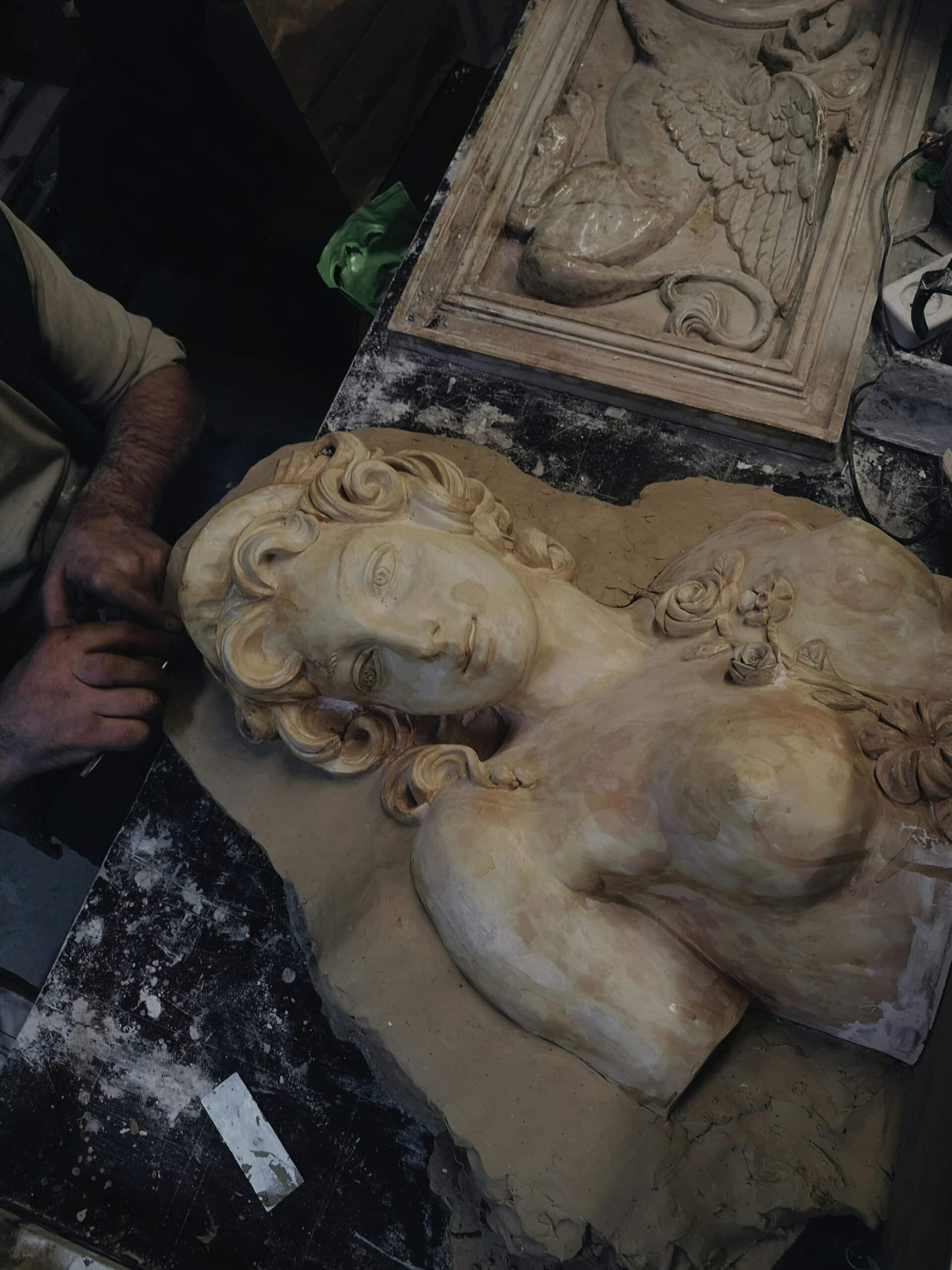
Young apprentices entered workshops and learned directly from established masters. Their education was practical rather than theoretical. They prepared pigments, stretched canvases, mixed natural materials, and gradually developed the technical skills necessary to create increasingly complex works.
This environment fostered innovation.
The Renaissance was not built upon individual genius alone. It was built upon communities of artists refining techniques over decades and passing them forward.
What most travelers never realize is that some of history’s greatest artistic achievements began with mastering seemingly simple tasks.
Understanding materials was considered just as important as understanding composition.
That philosophy still defines Florence today.
The Renaissance Techniques That Transformed Western Art
The Renaissance introduced methods that permanently changed how artists represented the world around them.
Perspective allowed paintings to create convincing depth and dimension.
Chiaroscuro transformed light and shadow into powerful storytelling devices.
Sfumato softened transitions and created an almost atmospheric quality within paintings.
Artists also studied anatomy with unprecedented precision, allowing the human body to appear natural rather than symbolic.
These innovations may sound technical, but their impact was profound. Renaissance artists changed how people saw themselves and their relationship to the world around them.
The deeper story lies in understanding that every technical advancement was rooted in observation.
Artists spent years studying nature before attempting to recreate it.
This careful attention to detail remains one of Florence’s greatest lessons.
The Forgotten Importance of Pigments, Gold, and Traditional Materials
One of the biggest surprises for visitors is discovering how much artistic skill existed before painting even began.
Colors did not arrive in tubes.
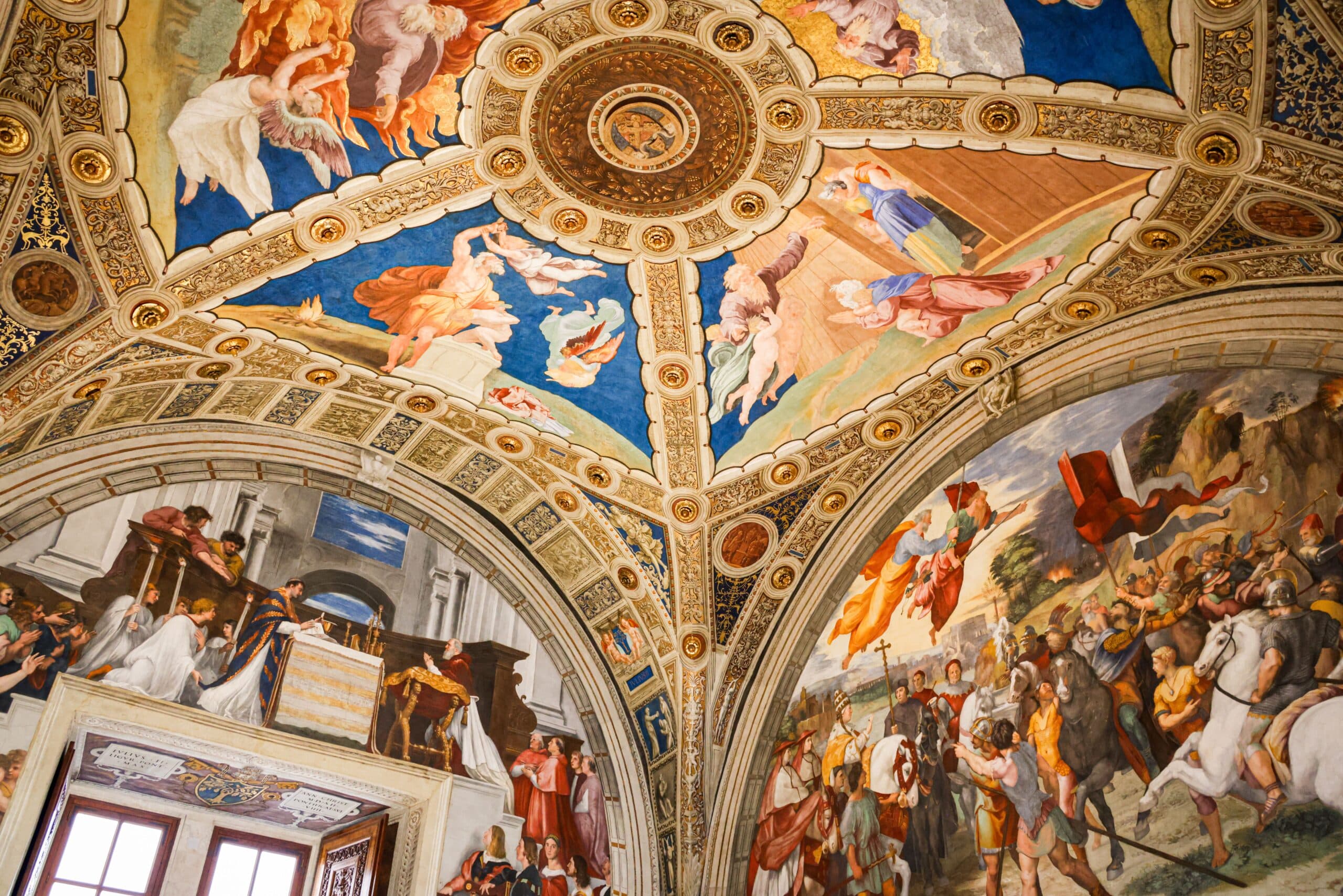
Artists created pigments from minerals, earth, and plants. Some materials traveled vast distances before arriving in Florence, making certain colors symbols of prestige and wealth.
Gold leaf added luminosity and reflected candlelight in ways that transformed entire spaces.
Even preparing a painting surface required patience and expertise.
Many visitors overlook how closely art and science were connected during the Renaissance.
Artists needed technical knowledge, problem-solving skills, and extraordinary precision.
The final masterpiece was only one part of a much larger creative process.
Why Learning Renaissance Techniques Creates a Deeper Connection to Florence
Travelers increasingly seek experiences that help them understand a destination rather than simply see it.
Florence is particularly rewarding in this regard because its identity is deeply connected to craftsmanship.
Creative experiences encourage people to slow down and engage with the city differently. Rather than moving quickly between landmarks, they begin noticing details that previously went unseen.
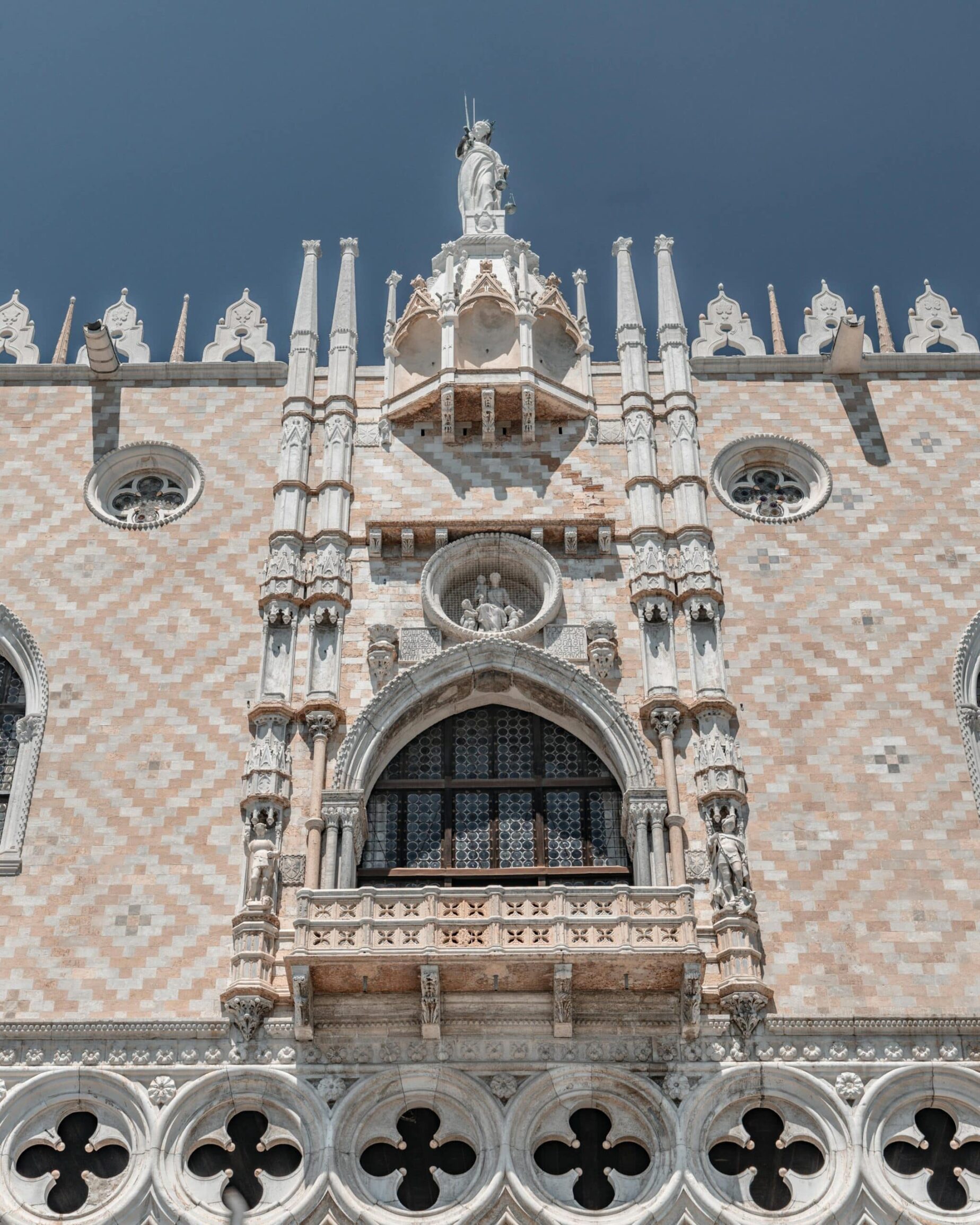
The color variations in marble façades become more apparent.
The way light interacts with architecture becomes more interesting.
Art stops feeling distant and starts feeling accessible.
The experience takes on new meaning when viewed through the eyes of the people who once created these extraordinary works.
For many visitors, this shift in perspective becomes one of the most memorable parts of their time in Florence.
Why Renaissance Creativity Still Matters Today
Although the Renaissance occurred hundreds of years ago, its values remain remarkably relevant.
Curiosity, patience, and craftsmanship continue to shape innovation across countless disciplines.
Florence offers a reminder that creativity is not reserved for professional artists. It is a skill that develops through observation, experimentation, and practice.
In an increasingly fast-paced world, this philosophy feels particularly refreshing.
Many travelers leave Florence inspired not simply because they encountered great art, but because they rediscovered the joy of creating something themselves.
What most travelers never realize is that the Renaissance was never about perfection.
It was about continuous learning.
That lesson may be more valuable today than ever before.
Practical Travel Advice for Art Lovers Visiting Florence
Travelers interested in Florence’s artistic heritage benefit from balancing museum visits with hands-on cultural experiences.
Spring and autumn remain particularly popular seasons due to comfortable temperatures and increased cultural programming throughout the city.
Advance planning is recommended, especially for smaller experiences that intentionally maintain an intimate atmosphere.
Most importantly, leave room in your schedule to slow down. Florence rewards curiosity far more than speed.
Some of the city’s most meaningful moments happen when there is time to observe rather than rush.
Frequently Asked Questions About Renaissance Painting Techniques
Why were Renaissance painting techniques revolutionary?
They introduced perspective, realistic anatomy, advanced uses of light, and innovative material practices that transformed Western art.
Why is Florence associated with Renaissance art?
Florence became a center of artistic innovation because workshops, patrons, and intellectual communities supported experimentation and collaboration.
What materials did Renaissance artists use?
Artists commonly worked with natural pigments, gold leaf, wood panels, brushes made from animal hair, and various organic binding materials.
Do you need artistic experience to appreciate Renaissance techniques?
No. Understanding the creative process often makes Renaissance art more accessible to visitors of all backgrounds.
Experiencing Florence Through Artistic Practice
Many visitors only scratch the surface of Florence because they focus entirely on the final masterpieces rather than the creative traditions behind them.
Artistic techniques tell a different story. They reveal the patience, experimentation, and craftsmanship that transformed Florence into one of the most influential cultural capitals in history.
ArtViva’s Florentine Masters: Techniques of the Renaissance Masters experience was designed around this idea. Guided by an expert artist, guests step inside a historic Florentine workshop to explore traditional materials, discover authentic techniques, and create a small Renaissance-inspired artwork of their own.
Rather than simply learning about Renaissance art, visitors engage directly with the principles that shaped it.
Why ArtViva Is Exceptionally Qualified to Share Florence’s Artistic Heritage
Based in Florence since 1996, ArtViva has spent nearly three decades building relationships with artists, historians, and local experts who understand the city far beyond its most recognizable landmarks.
Our philosophy has always centered on interpretation rather than information alone. Historical context, craftsmanship, and local perspective transform a visit from something enjoyable into something genuinely memorable.
This approach allows travelers to connect with Florence in ways that are difficult to achieve independently.
For those seeking a deeper understanding of Renaissance culture, ArtViva creates opportunities to engage with the city’s artistic legacy through expert guidance, thoughtful storytelling, and authentic experiences rooted in Florence itself.
Discover the artistic foundations of the Renaissance with Artviva’s Florentine Masters: Techniques of the Renaissance Masters – Private Art Class in Florence and learn how the Old Masters developed their skills through observation, technique, and the language of line.