
The Florence Behind Closed Doors: Stories of Families, Palaces, and Legacy
The Florence Most Visitors Never Meet
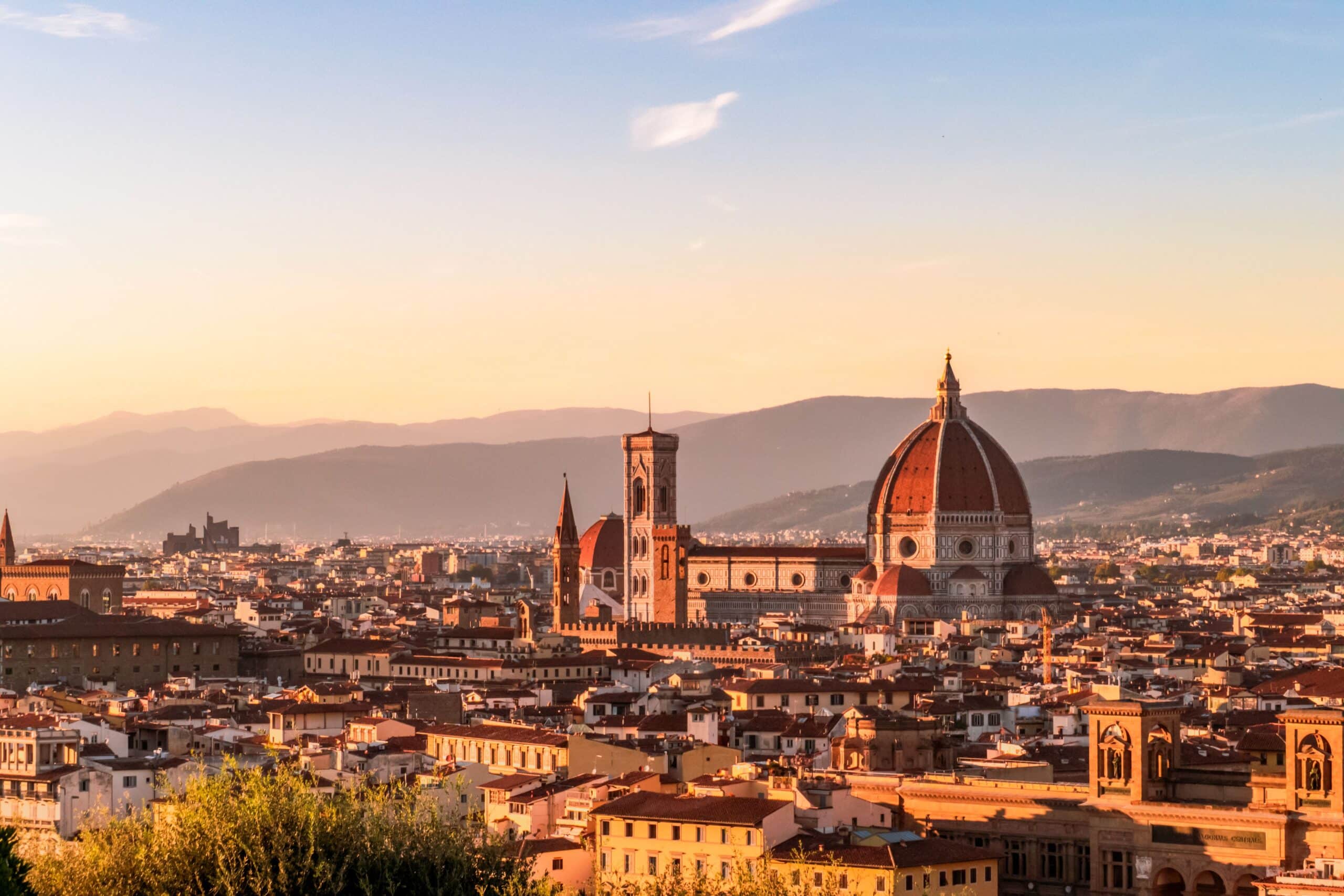
Every day, thousands of visitors cross the Ponte Vecchio, gaze up at Brunelleschi’s dome, and join the flow of people moving through Florence’s celebrated streets.
They leave with beautiful photographs and memories of extraordinary art.
Yet there is another Florence that many never encounter.
It exists behind heavy wooden doors. Beyond quiet courtyards. Inside family chapels where generations have prayed, celebrated, mourned, and preserved stories that never appear on museum labels.
This Florence does not announce itself. You have to be invited in.
Why Florence Still Feels Different
Many European cities have impressive monuments. Florence certainly has its share.
What makes Florence unique is something less obvious.
The city still feels personal.
Walk through its historic center early in the morning and you begin to notice it. Small brass nameplates beside enormous doors. Family crests carved above entrances. Palaces that seem almost modest until you realize they have stood in the same place for five hundred years.
Unlike many historic capitals, Florence was shaped by families as much as institutions. Their homes remain scattered throughout the city. Some are museums. Many are not.
Behind these walls, descendants continue to preserve archives, artworks, traditions, and memories that connect modern Florence to its Renaissance past.
For travelers seeking a deeper understanding of Italy, these places offer something rare: continuity.
The Closed Doors That Spark Curiosity
One of the most common questions we hear from travelers is surprisingly simple:
“What is behind all those palace doors?” It is a reasonable question.
Florence is filled with imposing facades that reveal almost nothing about what lies beyond them. Visitors walk past them every day, often unaware that extraordinary spaces exist only a few steps away.
A quiet courtyard. A centuries-old library. A family chapel. A collection of letters written by people whose names fill history books. The mystery itself is part of Florence’s charm. The city has never been eager to reveal all its secrets at once.
History Lives Differently in Florence
In many destinations, history feels carefully packaged.
You purchase a ticket, follow a route, read a description, and move on. Florence often works differently. History remains woven into daily life. A palace may still belong to the family that built it centuries ago. A private archive may contain correspondence that has passed through generations of careful stewardship. A conversation over coffee may reveal a family connection to events that shaped Europe. This living relationship with history creates a different kind of travel experience. The past feels less distant, less abstract, and more human.
What Noble Families Can Teach Us About Florence
The story of Florence is often told through the Medici.
Yet Florence was never the achievement of one family alone. Bankers, merchants, diplomats, artists, scholars, and noble households collectively shaped the city’s identity. Their influence extended far beyond Florence.
Trade networks connected Tuscany with northern Europe and the eastern Mediterranean. Political alliances linked Florence to royal courts across the continent. Art commissions transformed churches, palaces, and public spaces into symbols of civic ambition.
Understanding these family networks changes the way visitors see Florence.
The city becomes a web of relationships rather than a collection of monuments.
Every palace, chapel, and piazza begins to tell a richer story.
A Conversation That Changes Everything
Several years ago, an Artviva guest shared an observation after spending time inside a private Florentine palace. She had visited the Uffizi Gallery. She had admired Michelangelo’s David. She had climbed to panoramic viewpoints overlooking the city. Yet the memory she spoke about most vividly was sitting across from a Florentine Count while discussing how his family had navigated centuries of political change.
The conversation moved effortlessly between Renaissance diplomacy, art patronage, family traditions, and modern Florence.
The experience reminded her that great travel is often built around people rather than places. That distinction matters. Many travelers remember where they went. They rarely forget who welcomed them.
Local Expert Tip about Florence
If you want to experience Florence beyond its most famous attractions, slow your pace. Choose fewer museums.
Spend more time in historic neighborhoods such as San Niccolò, Santo Spirito, and the quieter streets near the Arno. Look up. Notice architectural details. Pay attention to doors, courtyards, and family crests. The Florence that rewards curiosity often reveals itself gradually.
Why Private Access in Florence Creates Different Memories
The modern traveler has access to more information than ever before.
Guidebooks, social media, podcasts, documentaries, and travel videos can explain almost any destination before arrival.
Yet information alone rarely creates lasting memories.
Access does.
The opportunity to enter a place not normally open to the public. The chance to ask questions and receive thoughtful answers. The feeling of participating rather than observing.
These moments create emotional connections that remain long after a trip ends.
For many experienced travelers, this becomes the defining difference between simply visiting a destination and genuinely understanding it.
History and Cultural Context of Florence
Florence emerged as one of Europe’s most influential cities during the late Middle Ages and Renaissance.
Its wealth came from banking, commerce, textiles, and international trade. Powerful families invested in architecture, education, religion, and the arts, transforming Florence into a center of innovation.
The city’s palaces served many purposes. They were family homes, business headquarters, symbols of status and influence, places where political alliances formed and important decisions unfolded.
Today, these buildings remain among Florence’s most significant cultural treasures.
Some welcome millions of visitors each year.
Others continue to function as private residences, preserving a quieter chapter of the city’s story.
When Should You Seek Out Florence’s Lesser-Known Side?
Spring and autumn remain ideal for travelers who appreciate a slower pace and comfortable weather.
Winter offers a particularly rewarding atmosphere.
With fewer visitors in the city, Florence feels more intimate. Conversations become easier. Historic spaces feel calmer. The city’s daily rhythms become more visible.
Many seasoned Italy travelers intentionally choose these quieter periods because they allow deeper engagement with local culture.
Frequently Asked Questions about Florence
How can I experience authentic Florence beyond the main attractions?
Focus on personal experiences, local expertise, historic neighborhoods, and opportunities for meaningful cultural exchange. The most memorable encounters often happen away from crowded landmarks.
Are there still private palaces in Florence?
Yes. Many historic palaces remain privately owned and continue to serve as family residences, cultural institutions, or mixed-use properties.
Why are noble families important to Florence’s history?
Florence’s development was shaped by interconnected families who influenced banking, politics, diplomacy, religion, and artistic patronage for centuries.
Is Florence worth visiting if you’ve already seen the major museums?
Absolutely. Many repeat visitors discover that Florence becomes more rewarding once they move beyond the city’s most famous sites.
What makes a meaningful cultural experience in Florence?
Personal connection. Conversations with knowledgeable locals, access to historic spaces, and opportunities to understand the city’s living traditions often leave the strongest impressions.
The Florence You’ll Remember
Years from now, you may not remember every painting you admired or every monument you photographed. You will remember the feeling of being welcomed. The conversation that changed your perspective. The door that opened unexpectedly. The story that made history feel personal. Florence has always rewarded curiosity. For travelers willing to look beyond the obvious, the city continues to reveal itself in remarkable ways. Experience it with Florence’s Most Unique Tour – A walk with a PhD Scholar Count.
At Artviva, these human connections have guided our work since 1996. They remain the experiences travelers talk about long after they return home and the moments that transform a visit into something genuinely unforgettable.
Step beyond Florence’s famous landmarks and uncover the city’s hidden stories with Artviva’s Florence’s Most Unique Tour – A Walk with a Historian Count-Private Tour where you’ll gain rare insight into noble heritage, historic palaces, and the living traditions that continue to shape Florence today.