
Tuscan Castles and the Legacy of Noble Hospitality
Some of the most memorable cultural encounters in Tuscany do not take place in museums or restaurants. They happen behind closed gates, inside historic residences where architecture, family memory, and daily life still coexist.
A private dinner in a Tuscan castle is one of these rare experiences. It reflects a tradition of hospitality that is deeply rooted in aristocratic life, where food, wine, and conversation have long been central to how culture is shared and preserved.
These are not staged events. They are living homes, shaped by centuries of continuity.
The Role of Castles in Tuscan Cultural Life
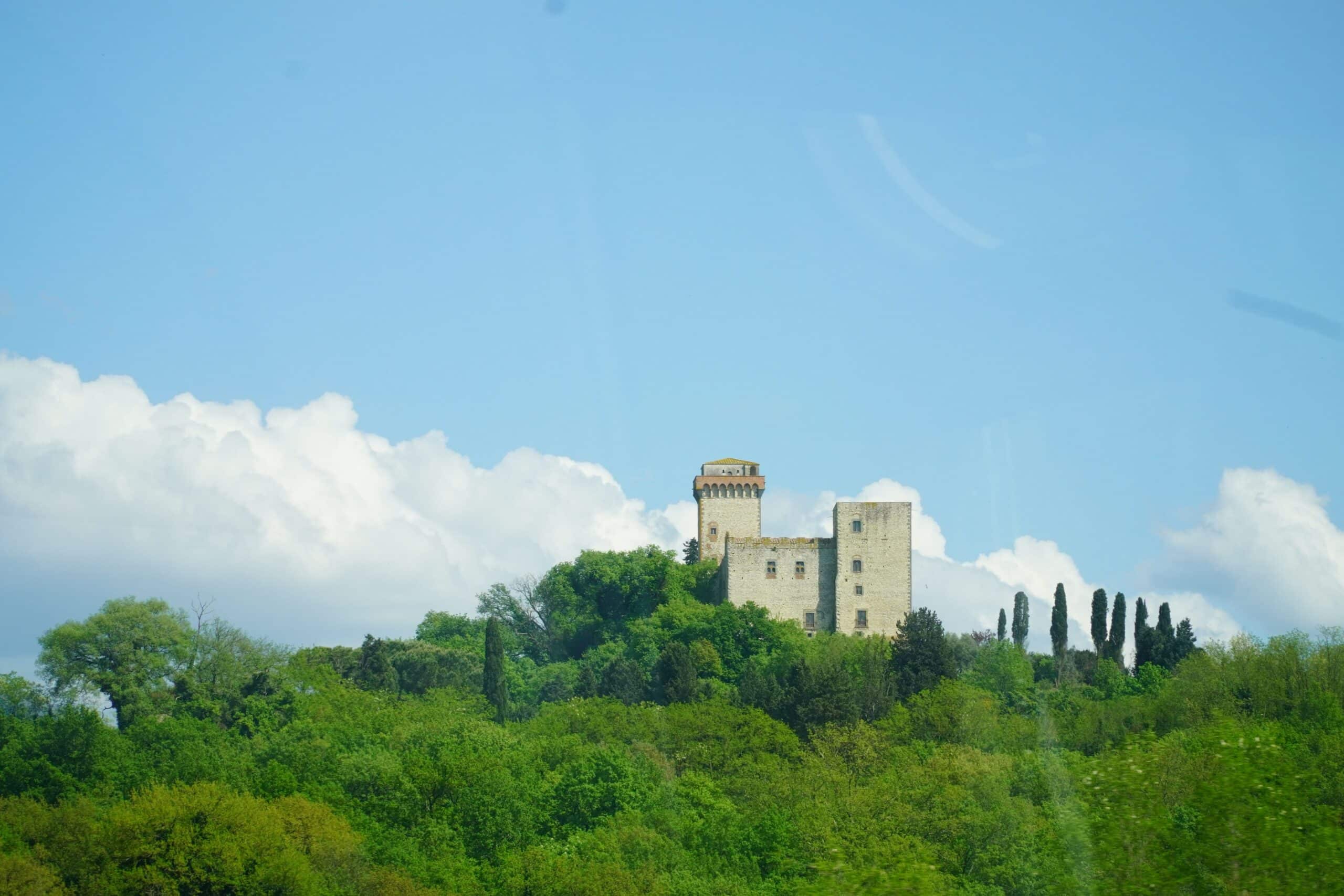
Across Tuscany, castles are not simply relics of medieval warfare or Renaissance architecture. Many remain active estates, still tied to land, agriculture, and family heritage.
Historically, these structures were designed as self-sufficient environments. They supported vineyards, olive groves, and local communities while also serving as centers of governance and protection. Over time, as political structures shifted, many evolved into private residences rather than public monuments.
What most travelers never realize is that these castles are not frozen in time. They continue to function as homes, often belonging to families whose lineage in the region spans centuries.
Inside these walls, history is not displayed. It is lived.
Why Dining in a Tuscan Castle Feels Different
There is a distinct rhythm to hospitality in these private residences. Unlike restaurants, where service is structured and predictable, castle dining is shaped by the flow of the home itself.
Meals often unfold around seasonal ingredients, family recipes, and wines produced from surrounding vineyards. Conversations are unhurried, and storytelling becomes part of the evening’s natural pace.
Local experts often point out that this kind of dining reflects an older Italian tradition, where hospitality is less about performance and more about inclusion. Guests are not observing Tuscan culture. They are temporarily stepping into it.
A Living Connection to Tuscan Wine Culture
Wine is central to understanding why these dinners exist in the first place. Many noble families in Tuscany have been involved in viticulture for generations, particularly in regions like Chianti, Montalcino, and the Florentine hills.
Wine production in these estates is not just economic activity. It is cultural identity. Vineyards often surround the castles themselves, forming a visual and practical connection between land and table.
During private dinners, wines are typically shared not as products, but as personal expressions of place and memory.
The experience takes on new meaning when viewed through this relationship between land, family, and time.
The Atmosphere of a Castle Evening
While each estate differs, certain elements define the experience.
Historic interiors often feature original frescoes, antique furnishings, and architectural details that reflect centuries of adaptation. Some rooms are formal, while others feel unexpectedly intimate.
Dinner is usually served in a setting chosen by the hosts, sometimes overlooking the surrounding countryside. As daylight fades, the atmosphere shifts, and the castle takes on a quieter, more reflective character.
What defines these evenings is not formality, but presence.
Cultural Context: Nobility and Modern Tuscany
The concept of nobility in Tuscany today is less about political power and more about stewardship of heritage. Many families who live in these estates see themselves as caretakers of architecture, land, and tradition.
Many visitors overlook how active these roles still are. Estates are often involved in wine production, agricultural preservation, and cultural continuity projects that keep rural Tuscany viable.
Dining within this context offers insight into how historical identity adapts rather than disappears.
Local Insight: What Guides Often Notice
One detail frequently shared by local historians is that these homes reveal Tuscany’s layered identity more clearly than public monuments.
A single castle might contain medieval foundations, Renaissance renovations, and 19th-century restoration work. Each layer reflects a different moment in regional history.
Guests often find that conversations during these evenings reveal more than formal tours ever could, because stories are shared in context, not presentation.
How Seasons Shape Life Inside Tuscan Estates
The experience of a castle dinner changes subtly throughout the year.
In spring and early summer, the landscape outside is vibrant, and evenings often feel open and expansive. Autumn brings a sense of harvest rhythm, where food and wine feel closely tied to the surrounding land.
Winter creates a quieter, more intimate atmosphere, where interiors become central and storytelling naturally deepens.
Each season offers a different expression of the same heritage.
Accessing Tuscany’s Private Heritage Spaces
Access to private castle dining is limited because these are not public venues. They are private homes with carefully maintained traditions of hospitality.
Experiences like these are typically arranged in advance and depend on the availability and openness of each estate. This rarity is part of what defines them.
Travelers interested in this kind of cultural immersion often combine it with broader exploration of Tuscany’s wine regions, medieval towns, and rural landscapes.
Common Questions About Tuscan Castle Hospitality
Are there still noble families living in Tuscan castles?
Yes, several historic families still reside in ancestral estates across Tuscany.
Is castle dining common in Italy?
No, it is rare and typically limited to private residences or curated cultural experiences.
What kind of food is served in these settings?
Menus usually reflect seasonal Tuscan cuisine prepared in line with regional traditions.
Is this a formal experience?
It is refined but not rigid. The atmosphere is typically warm and conversational.
Why are these experiences so limited?
Because they take place inside private homes, not commercial venues.
Why Tuscany’s Private Heritage Still Matters Today
A private dinner in a Tuscan castle offers a rare lens into a living cultural world where history, family, and landscape remain deeply connected. It is not a performance of tradition, but its continuation.
For travelers seeking to understand Tuscany beyond its most visible landmarks, these moments reveal how heritage is preserved quietly, through daily life and shared table.
Tuscany through this kind of access often changes how the region is understood entirely.
To explore opportunities to engage with Tuscany’s cultural heritage through carefully curated access, travelers can connect with Artviva for personalized guidance and thoughtfully designed experiences rooted in local knowledge and long-standing relationships within Italy.
Cultural Stewardship and Expertise in Tuscany
Artviva has spent more than 25 years working directly within this world of private heritage across Florence and Tuscany, developing long-standing relationships with estate owners, historians, winemakers, and cultural institutions. This continuity is what makes it possible to engage with places that are not open to the public and are rarely included in conventional travel itineraries.
Rather than treating these residences as venues, Artviva approaches them as living environments shaped by identity and responsibility. Every arrangement is guided by respect for the families who maintain these traditions and for the cultural significance of the spaces themselves. The result is access that feels personal, grounded, and carefully considered, rather than staged or transactional.
For travelers, this depth of connection ensures that encounters within Tuscany’s private estates remain authentic to the people and heritage that define them.
Discover the traditions of Tuscan nobility with Artviva’s Exclusive Private Dinner with a Noble Family in Their Tuscan Castle and experience the history, cuisine, and private estates that reveal Tuscany’s living heritage.