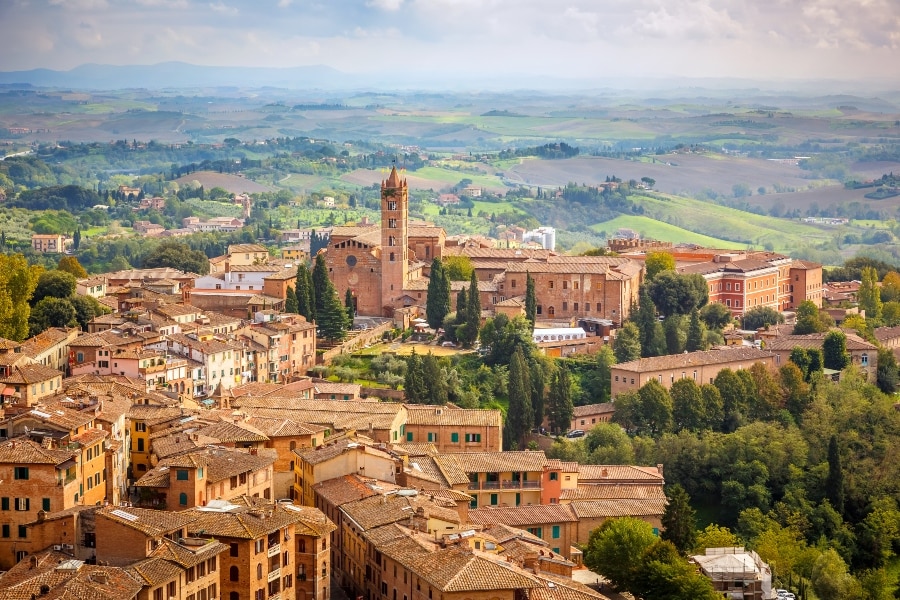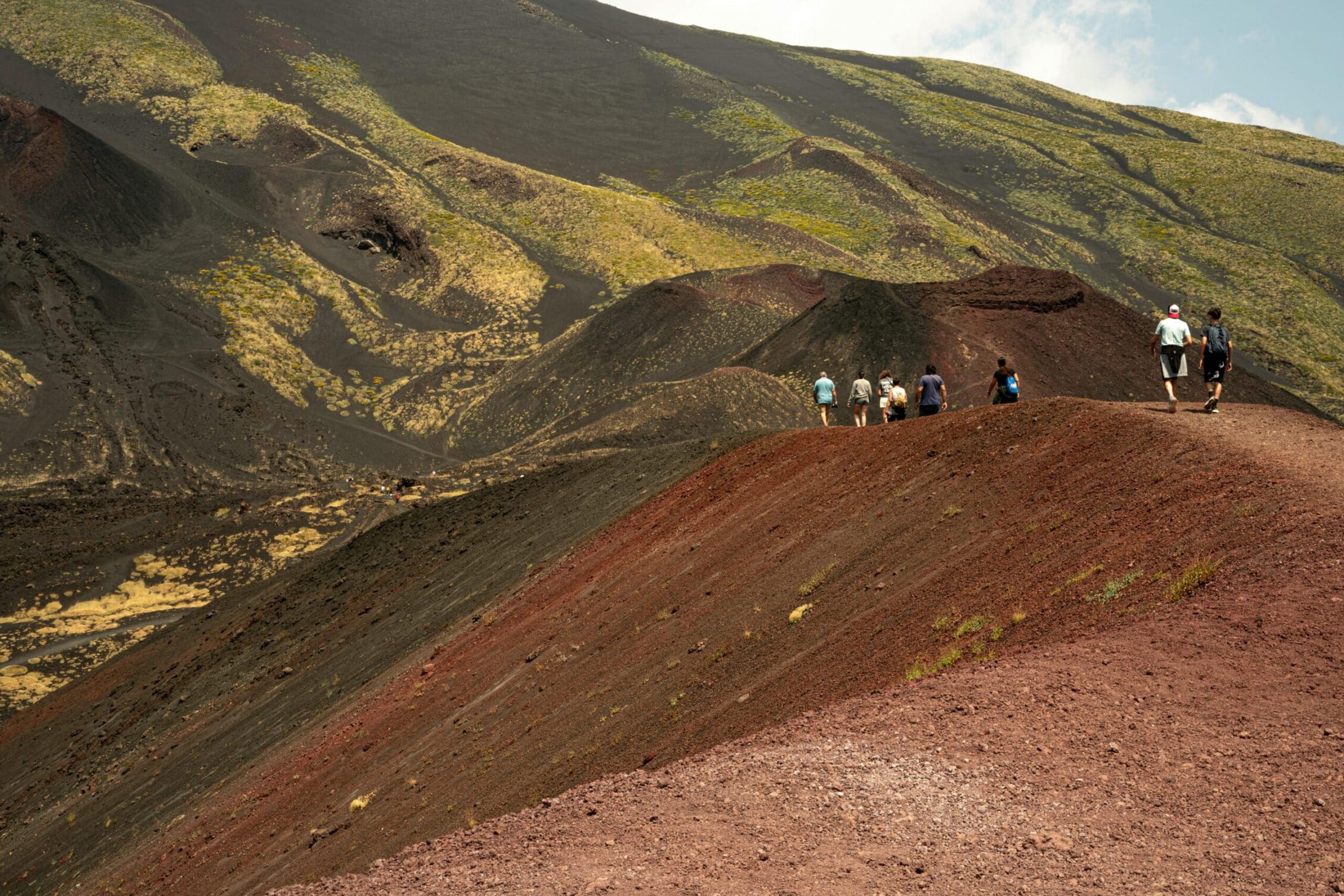

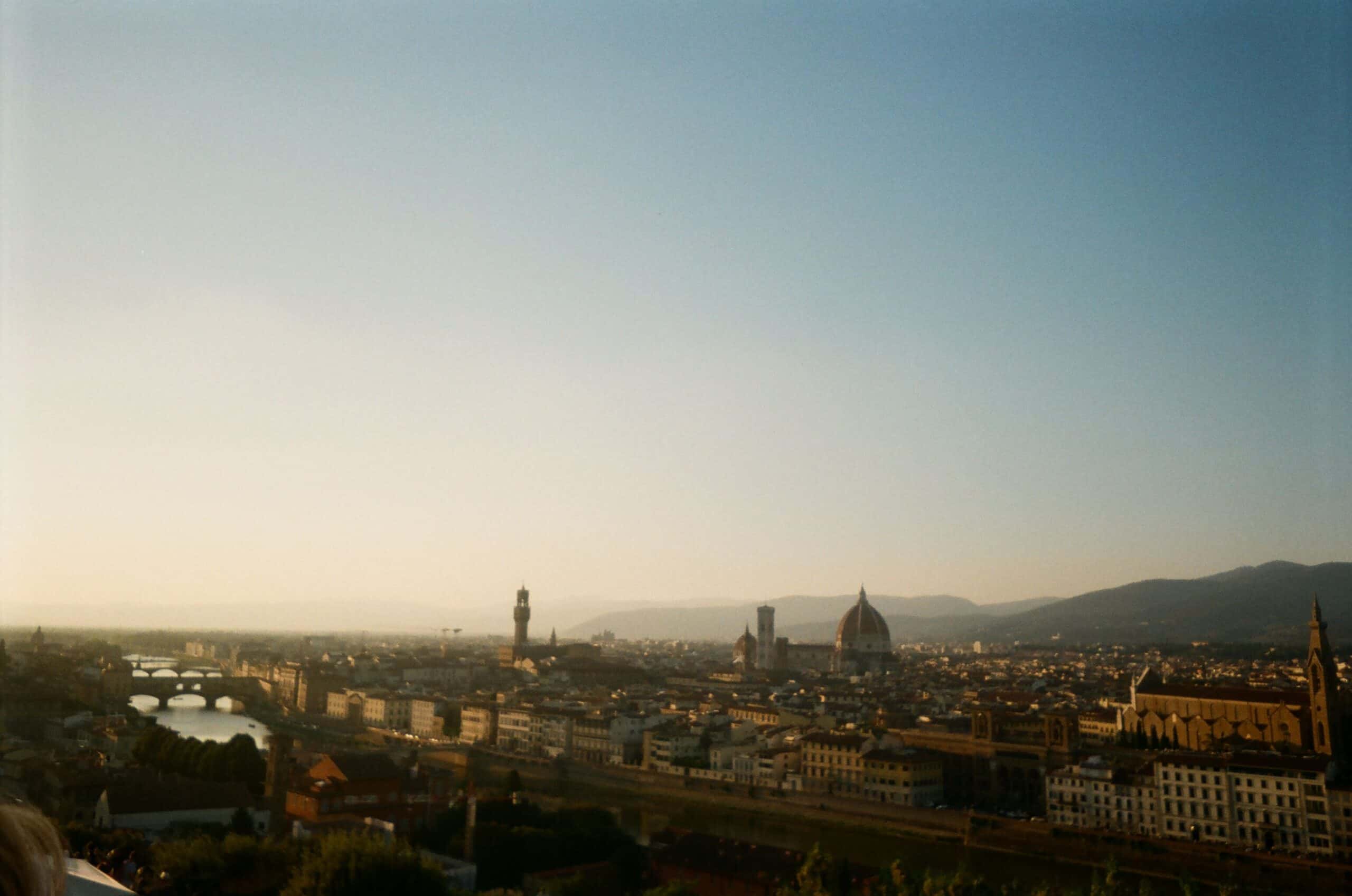
Many travelers dream of seeing Tuscany’s rolling hills, vineyards, and cypress-lined roads. They imagine long lunches beneath olive trees, glasses of local wine shared with friends, and quiet landscapes that seem unchanged by time. Yet these moments often feel surprisingly difficult to find when traveling by car or following crowded sightseeing routes.

Some of Tuscany’s most memorable experiences happen at a slower pace.

Walking through the countryside reveals details that are easy to overlook from behind a window. The scent of wild herbs carried by the morning breeze, the sound of church bells echoing across distant hills, and the changing colors of vineyards throughout the seasons all become part of the journey. Every bend in the path offers another view that feels both timeless and distinctly Tuscan.

Just beyond Florence, the landscape changes almost immediately. Historic villas replace city streets, olive groves cover the hillsides, and vineyards stretch toward the horizon. For centuries, these landscapes have shaped local traditions, agriculture, and everyday life, creating the scenery that has inspired artists, writers, and travelers from around the world.

Many visitors spend their entire stay exploring museums and famous landmarks without realizing that one of Tuscany’s greatest treasures lies only a short distance from the city. Experiencing the countryside on foot offers a deeper appreciation of the region’s history, food, and culture while providing a peaceful contrast to Florence’s busy historic center.

Quick Answer

A guided Tuscany hike near Florence combines scenic countryside walks, vineyard landscapes, local history, and regional food and wine into one immersive experience. Walking through the Florentine Hills offers travelers a closer connection to Tuscany’s agricultural traditions while showcasing landscapes that have shaped the region for centuries.

History & Cultural Context

The Tuscan countryside is often admired for its beauty, but its appearance is the result of thousands of years of human care.

Long before Florence became the birthplace of the Renaissance, the hills surrounding the city were cultivated by the Etruscans and later by the Romans. Over generations, vineyards, olive groves, forests, and farmland were carefully managed to produce food while preserving the natural contours of the landscape.

Rather than separating villages from nature, people built communities that worked alongside it. Stone farmhouses overlooked vineyards, winding roads followed the hills, and olive trees became family heirlooms passed from one generation to the next.

As Florence grew into one of Europe’s wealthiest cities, the surrounding countryside became equally important. Noble families established country estates where they could escape urban life while overseeing vineyards and agricultural production. These estates helped shape the landscape visitors recognize today.

Many travelers admire Tuscany’s postcard-perfect scenery without realizing that nearly every hillside reflects centuries of farming, craftsmanship, and local tradition.

A Landscape Designed by Generations

Unlike wilderness trails, Tuscany’s countryside tells a human story.

Rows of vines follow carefully planned patterns that respond to the terrain. Ancient stone walls divide fields that have been cultivated for centuries. Olive groves occupy hillsides where the trees benefit from sunlight and well-drained soil.

Each season brings subtle changes.

Spring fills the countryside with fresh green vineyards and wildflowers. Summer ripens grapes beneath long sunny days. Autumn transforms the hills into shades of gold and deep red as harvest begins. Winter reveals the landscape’s quiet beauty beneath clear skies and crisp morning light.

Local experts often point out that these hills continue to produce many of the foods and wines that define Tuscan cuisine today. Walking through the landscape provides an appreciation for how closely daily life remains connected to the land.

The Florentine Hills Beyond the City

Many visitors assume they must travel deep into Chianti to experience authentic Tuscany.

In reality, some of the region’s most beautiful countryside begins only a short distance from Florence.

The hills surrounding the city offer panoramic views, quiet roads, vineyards, olive groves, and historic villages that preserve a slower rhythm of life. While Florence celebrates artistic achievement, these landscapes tell the story of the farmers, winemakers, and craftspeople whose work has supported the region for generations.

Experiencing this countryside creates a different perspective on Tuscany. Rather than simply observing beautiful scenery, travelers begin to understand the traditions that continue to shape local communities today.

Why It Matters Today

Modern travel often encourages visitors to move quickly from one famous attraction to the next. Tuscany invites the opposite approach.

Walking through the countryside encourages travelers to notice details that rarely appear in guidebooks. Seasonal farming practices, family-owned vineyards, historic pathways, and changing landscapes all become part of a richer understanding of the region.

This slower pace also reflects an important part of Tuscan culture. Meals are shared without rushing. Wine is enjoyed alongside conversation. Agriculture follows the rhythm of the seasons rather than the clock.

For many travelers, spending time in the countryside becomes one of the most memorable parts of visiting Italy because it offers something increasingly rare: an opportunity to disconnect from busy schedules and reconnect with the landscape itself.
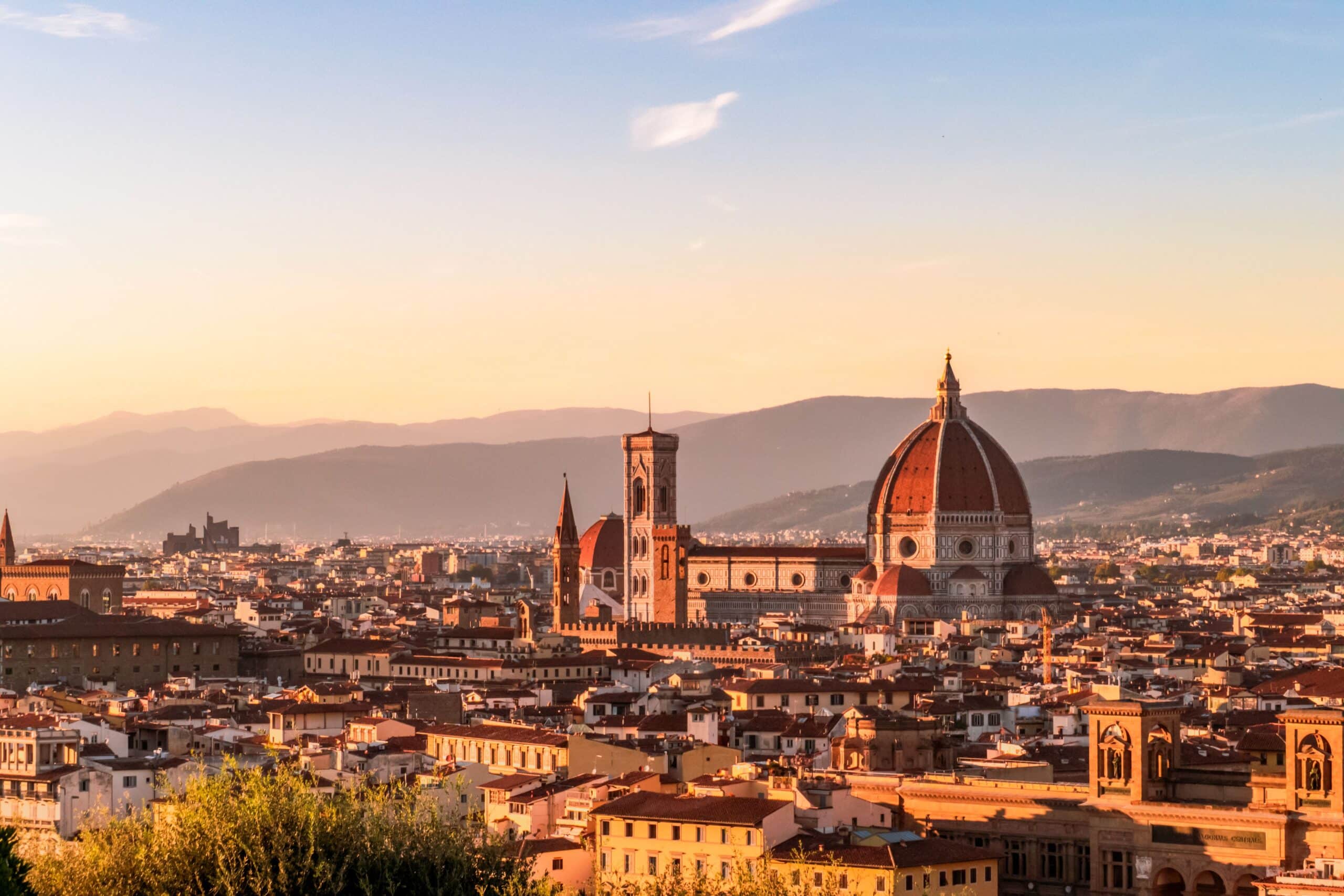
Local Expert Tip

Many travelers picture Tuscany as a destination best explored by car, but local residents often see it differently. Walking through the countryside offers a slower, more meaningful connection to the landscape. Distances that seem ordinary by road reveal centuries-old stone walls, hidden vineyards, olive groves, and changing views that are easily missed from behind a windshield. What most visitors never realize is that the countryside surrounding Florence has shaped Tuscan life for generations, and understanding that landscape adds a new appreciation for the food, wine, and traditions found throughout the region.

Experience It Firsthand

Reading about Tuscany’s countryside provides valuable inspiration, but walking through it offers a completely different perspective. The rhythm of the landscape, the scent of olive trees, the changing vineyard scenery, and the stories behind local traditions become far more meaningful when experienced alongside someone who knows the region intimately.

Artviva’s Perfect Morning in Tuscany: Hiking, Lunch, and Wine experience combines gentle walking through the Florentine Hills with insights into local agriculture, regional history, and Tuscan food culture. Rather than simply admiring beautiful scenery, visitors gain a deeper understanding of how the landscape has shaped everyday life for centuries. The experience concludes with a traditional countryside meal that reflects the same connection between land, season, and community that defines Tuscany itself.

Learn more here:

A Perfect Morning in Tuscany – Hiking Tour with Lunch and Wine

Many visitors are surprised that some of their favorite memories come not from famous landmarks but from slowing down long enough to experience Tuscany’s countryside through local stories, traditions, and conversations that bring the landscape to life.

Practical Travel Advice

The rolling hills outside Florence are enjoyable throughout the year, but comfortable walking shoes are essential regardless of the season. While the route is designed for travelers with a moderate level of fitness, taking time to enjoy the scenery is just as important as reaching the destination.

Layered clothing is recommended, particularly during spring and autumn when morning temperatures can be cool before warming later in the day. Carrying a reusable water bottle and sun protection is also advisable during warmer months.

Many experienced travelers appreciate balancing Florence’s museums with time outdoors. Spending a morning in the countryside provides a refreshing contrast to the city’s historic streets while offering insight into the agricultural traditions that have supported Florence for centuries.

Seasonal Considerations

Spring

Spring is one of the most beautiful seasons to experience the Tuscan countryside. Vineyards begin to flourish, wildflowers appear across the hillsides, and mild temperatures create ideal walking conditions.

Summer

Early morning offers comfortable temperatures before the afternoon heat arrives. The longer daylight hours showcase the countryside at its brightest, while vineyards and olive groves are full of vibrant color.

Autumn

Harvest season brings another dimension to the landscape as vineyards become busy with grape picking and the hills turn shades of gold, amber, and deep red. Many travelers consider autumn one of Tuscany’s most rewarding seasons.

Winter

Winter reveals a quieter side of Tuscany. Crisp air, fewer visitors, and remarkably clear views create a peaceful atmosphere that highlights the natural beauty of the Florentine Hills.

Frequently Asked Questions

Is the hike suitable for beginners?

Yes. The walk is designed for travelers with a reasonable level of fitness and focuses on enjoying the countryside rather than completing a challenging trek.

How far is the Tuscan countryside from Florence?

Some of Tuscany’s most scenic landscapes begin just outside Florence, making it possible to experience vineyards, olive groves, and hilltop views without traveling far from the city.

What makes the Florentine Hills special?

The hills combine centuries of agricultural tradition with panoramic scenery, historic villas, vineyards, olive groves, and small country roads that reflect Tuscany’s enduring connection to the land.

Will I learn about Tuscan wine and olive oil?

Yes. Understanding local wine and olive oil traditions is an important part of appreciating the countryside, and learning how these products are connected to the landscape adds greater meaning to the experience.

Why explore Tuscany with a local guide?

Many visitors admire the scenery without understanding the history, agriculture, and traditions that shaped it. Local interpretation helps connect the landscape with the people who have cared for it for generations, creating a richer and more memorable experience.

Conclusion

Tuscany is often remembered for its extraordinary views, but its greatest beauty lies in the relationship between people and the land. Vineyards, olive groves, quiet country roads, and hilltop villages tell a story that has been unfolding for centuries, shaped by tradition, craftsmanship, and a deep respect for nature.

Experiencing this landscape on foot offers a perspective that cannot be gained from a car window or a scenic overlook alone. Each step reveals another layer of Tuscany’s identity, helping visitors understand why this region has inspired artists, writers, and travelers for generations.

For those who wish to experience the countryside with greater depth and context, Artviva’s Perfect Morning in Tuscany: Hiking, Lunch, and Wine offers an opportunity to explore the Florentine Hills through local expertise, thoughtful storytelling, and authentic regional traditions. It is a memorable way to discover not only Tuscany’s remarkable landscapes but also the culture that continues to shape them.

Learn more here:

A Perfect Morning in Tuscany – Hiking Tour with Lunch and Wine


So, Are You Ready?

Keep Exploring