
Inside Tuscan Kitchens: The Stories Behind Italy’s Most Beloved Cuisine
Discover the Flavors and Traditions of the Tuscan Countryside
A Tuscany villa cooking class offers one of the most meaningful ways to understand the region’s culture: by stepping into the kitchen and sharing the traditions that have shaped Tuscan life for generations.
Beyond Florence’s Renaissance masterpieces and medieval villages lies another side of Tuscany, one defined by family recipes, seasonal ingredients, vineyard landscapes, and long lunches shared around welcoming tables. Cooking in a historic villa reveals the connection between the land, the people, and the food that makes this region unforgettable.
For travelers seeking an authentic Italian experience, learning Tuscan cuisine alongside a local chef provides insight that goes far beyond a recipe. It reveals why simple ingredients, careful preparation, and time spent together remain at the heart of Tuscan hospitality.
What Is a Tuscany Villa Cooking Class?
A Tuscany villa cooking class is a hands-on culinary experience held in a traditional countryside estate where guests learn to prepare regional dishes with guidance from an expert local chef.
These experiences typically combine cooking instruction with cultural storytelling, seasonal ingredients, and the pleasure of enjoying a meal created together in an authentic Tuscan setting.
The most memorable classes focus on connection rather than complexity. They reveal how Tuscan cooks transform humble ingredients into dishes filled with character and tradition.
The History Behind Tuscan Cuisine and Villa Cooking Traditions
Tuscan cooking has always been closely connected to the land.
For centuries, families across the region relied on what grew nearby: olive trees, vineyards, wheat fields, vegetables from kitchen gardens, herbs from the countryside, and livestock raised on local farms.
This approach created a cuisine based on resourcefulness and respect for ingredients.
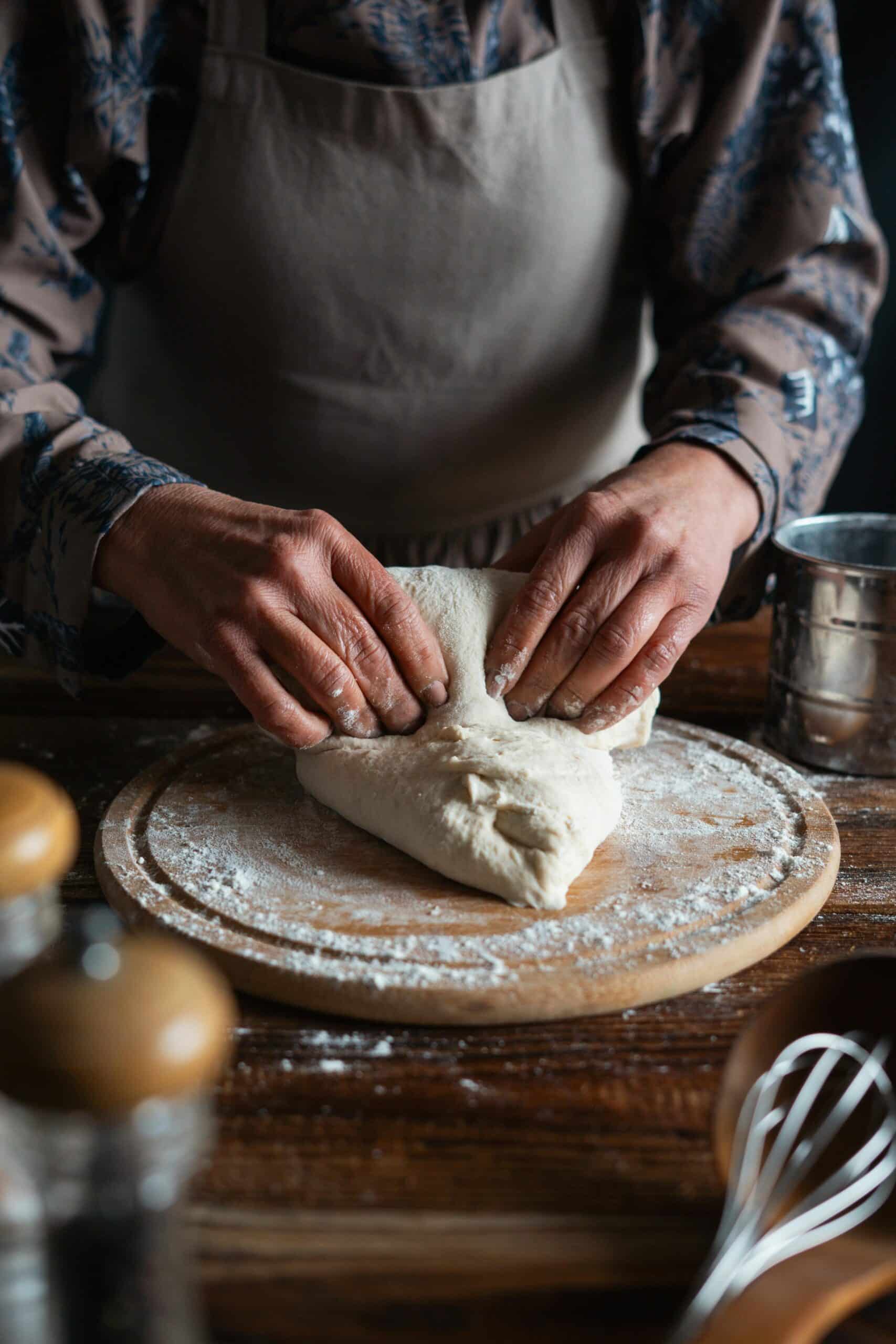
The famous Tuscan philosophy of cucina povera developed from necessity, but it became a celebration of flavor and craftsmanship. Recipes such as rustic soups, handmade pasta, slow-cooked meats, and simple breads demonstrate how patience and technique can transform everyday products into memorable meals.
Many visitors overlook that Tuscan cuisine is not defined by elaborate preparation. Its beauty comes from understanding ingredients and allowing them to shine.
Why Tuscany Villas Are the Perfect Setting for Italian Cooking Experiences
Historic villas throughout Tuscany were designed around a relationship with agriculture, hospitality, and seasonal living.
Many estates were surrounded by vineyards, olive groves, gardens, and farmland that supplied kitchens for generations.
Cooking in this environment creates a deeper connection to the food itself.
The scent of fresh herbs growing nearby, the view of rolling hills beyond the windows, and the rhythm of preparing a meal together all become part of the experience.
The setting matters because Tuscan cuisine has always been connected to place.
A dish tastes different when you understand where its ingredients come from.
The Art of Tuscan Cooking: Simple Ingredients, Remarkable Results
Tuscan food is often described as rustic, but that word does not capture its refinement.
The region’s best cooking depends on precision.
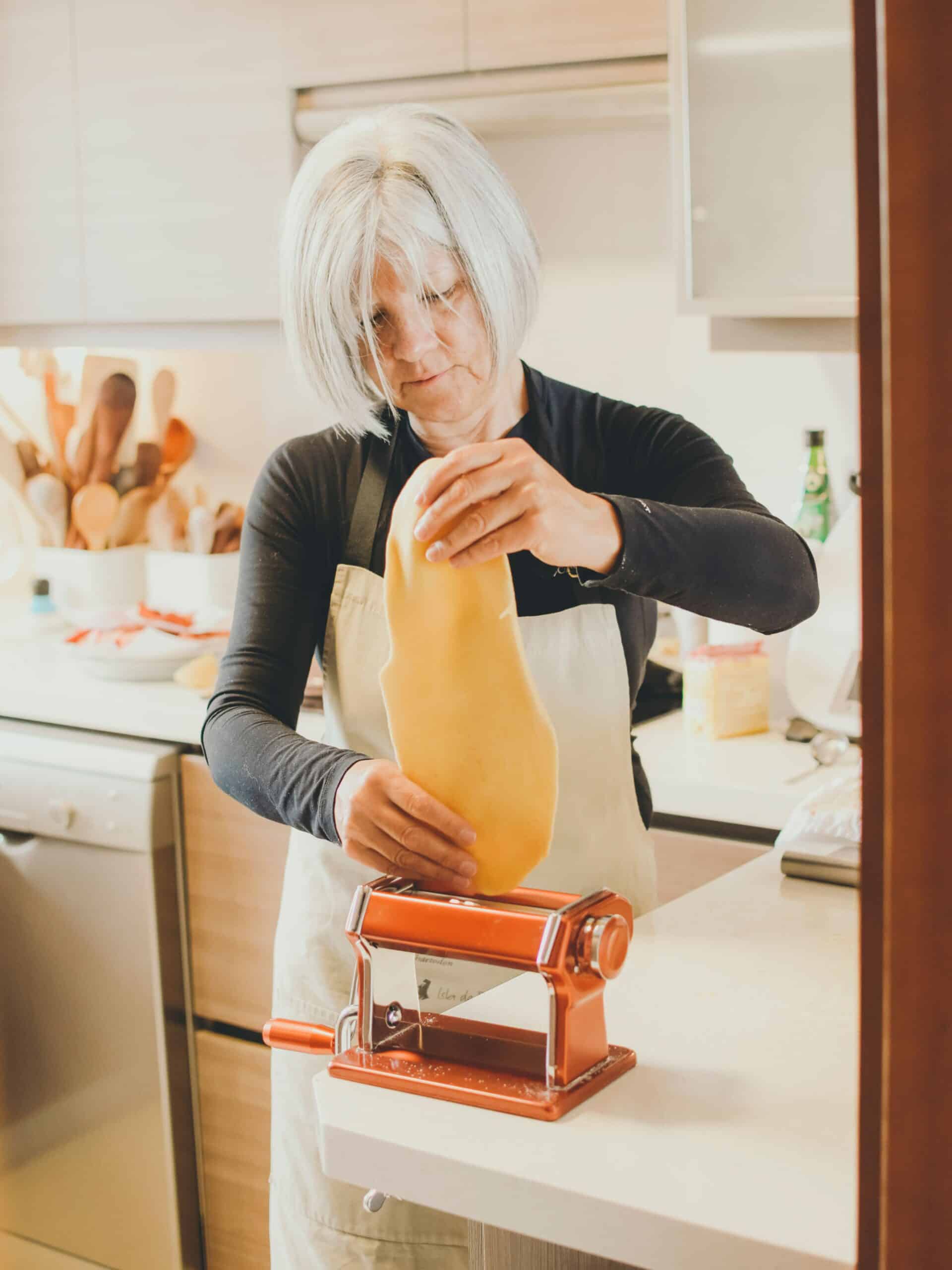
Fresh pasta requires patience.
Olive oil requires careful production.
Wine requires knowledge of the land.
A perfectly prepared dish depends on understanding balance.
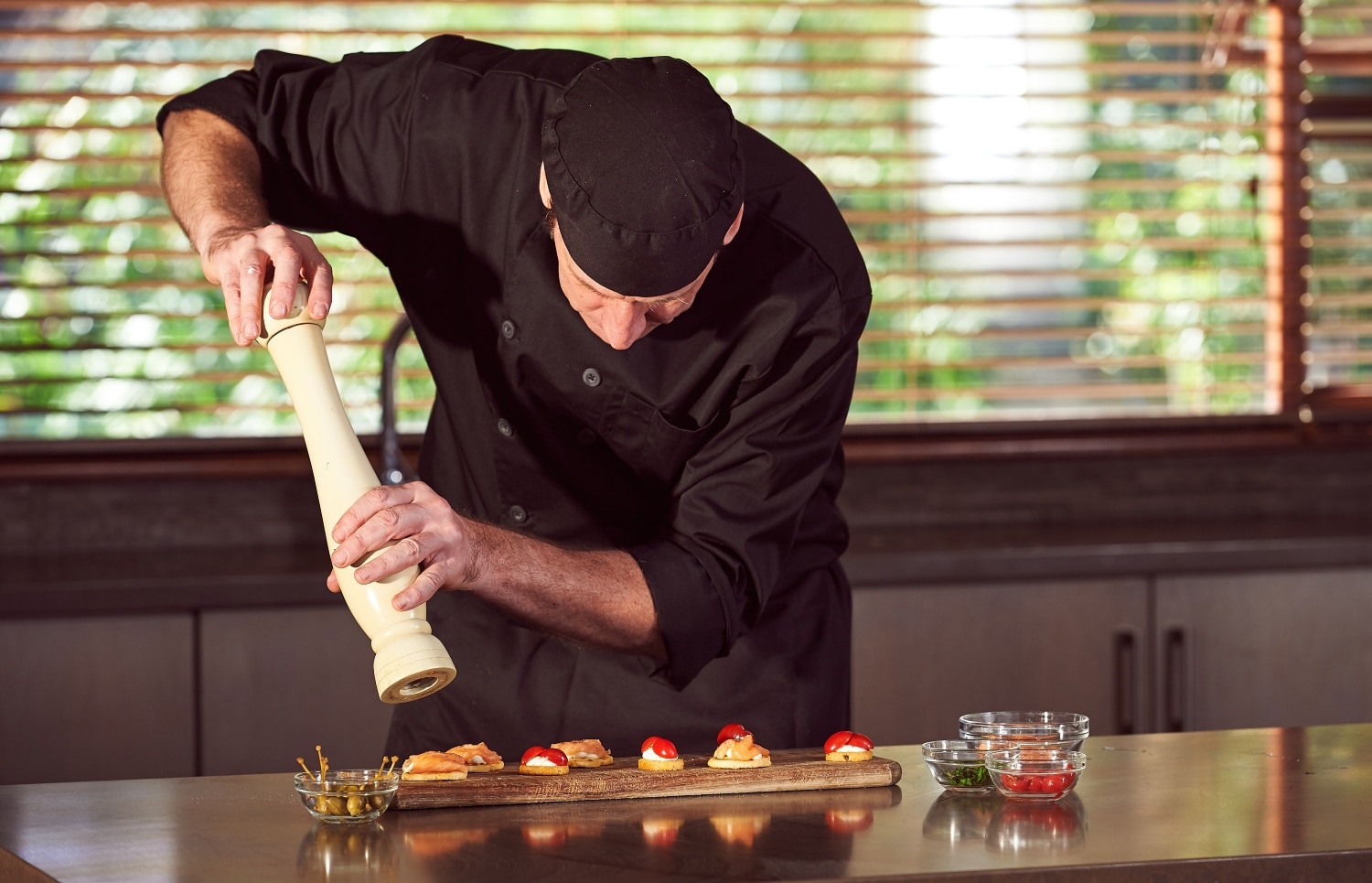
Local chefs often emphasize that traditional recipes are not about following strict formulas. They are about learning techniques passed down through generations and adapting them according to the season.
This is why a hands-on experience feels so different from simply tasting a finished dish.
You begin to understand the decisions behind every flavor.
What You Learn During a Tuscan Villa Cooking Class
A memorable cooking experience in Tuscany introduces travelers to the foundations of regional cuisine.
Depending on the season and the chef’s approach, guests may learn techniques behind handmade pasta, traditional sauces, regional appetizers, classic desserts, and other dishes connected to Tuscan heritage.
The focus is not simply creating a meal.
It is discovering why certain ingredients belong together, how Italians approach hospitality, and how cooking remains a way of preserving family stories.
The experience takes on new meaning when viewed through the knowledge of someone who understands the cultural background behind each recipe.
Tuscan Food, Wine, and the Importance of the Table
In Tuscany, the meal itself is only part of the tradition.
The table represents connection.
Lunches and dinners often stretch longer than expected because conversation is considered an essential ingredient.
Wine accompanies stories.
Recipes bring generations together.
Guests become part of a tradition where sharing food creates relationships.
This philosophy explains why many travelers remember a Tuscan meal years after visiting Italy.
They remember not only what they tasted, but how the moment felt.
Seasonal Ingredients That Define Tuscan Cuisine
One of the pleasures of cooking in Tuscany is experiencing ingredients at their natural best.
Spring brings fresh greens, herbs, and delicate vegetables.
Summer celebrates tomatoes, zucchini, basil, and lighter preparations.
Autumn is a remarkable season for mushrooms, chestnuts, olive harvests, and new wines.
Winter welcomes comforting dishes designed for cooler countryside evenings.
A thoughtful culinary experience follows these rhythms rather than forcing the same menu throughout the year.
Local Expert Tip: Look Beyond the Recipe
Many visitors focus on learning a specific dish.
Local chefs often encourage travelers to pay attention to something deeper: technique.
Notice how ingredients are selected.
Observe how textures are balanced.
Listen to the stories behind family traditions.
The most valuable souvenir is often not the recipe itself, but the understanding of how Italians approach cooking.
Experience Tuscan Villa Cooking with Artviva
For travelers who want to explore Tuscany through food, Artviva’s Luxury Tuscany Villa Cooking Class: 5-course offers an opportunity to experience regional cuisine within the atmosphere of a private countryside estate.
Explore here:
Luxury Tuscany Villa Cooking Class: 5-course
Guided by an expert chef, guests discover traditional cooking methods, seasonal ingredients, and the cultural stories that connect Tuscan food with the surrounding landscape.
The value of experiencing a villa kitchen with local guidance lies in the context. A chef can explain why certain techniques matter, how recipes evolved, and how Tuscan families have preserved culinary traditions across generations.
Rather than simply preparing dishes, travelers gain a deeper appreciation for the relationship between Tuscany’s land, history, and hospitality.
Why a Private Cooking Experience Creates Lasting Memories
Food experiences become especially meaningful when they feel personal.
A private setting allows travelers to ask questions, learn at a comfortable pace, and engage directly with local traditions.
Couples often appreciate the relaxed atmosphere.
Families enjoy creating something together.
Friends discover that cooking naturally encourages conversation and connection.
For corporate retreats or incentive travel, culinary experiences provide a refreshing environment where collaboration happens naturally.
The kitchen becomes a place where people connect beyond formal settings.
Planning Your Tuscan Cooking Experience Near Florence
A villa cooking experience pairs beautifully with a stay in Florence, especially for travelers who want to balance city culture with countryside relaxation.
Allow enough time to enjoy the setting rather than rushing between activities.
Comfortable clothing is recommended, as hands-on cooking is part of the experience.
Dietary preferences should always be communicated in advance so chefs can prepare appropriately.
Spring and autumn are particularly appealing seasons, when Tuscany’s landscapes and agricultural traditions are especially vibrant.
Frequently Asked Questions About Tuscany Villa Cooking Classes
What makes a Tuscany villa cooking class special?
A villa cooking class combines traditional cuisine, local ingredients, expert instruction, and the atmosphere of a historic Tuscan estate. It offers cultural understanding alongside culinary learning.
Is a Tuscan cooking class suitable for beginners?
Yes. Most experiences welcome beginners. The focus is on enjoying the process, learning traditional methods, and understanding Italian food culture.
What dishes can you learn to cook in Tuscany?
Menus vary by season, but many classes explore regional pasta, sauces, appetizers, main courses, and traditional desserts connected to Tuscan cuisine.
What is the best season for a cooking class in Tuscany?
Spring and autumn are especially enjoyable because seasonal produce is abundant and the countryside is at its most beautiful, although cooking experiences are available year-round.
Why choose a villa instead of a regular cooking school?
A villa setting provides a stronger connection to Tuscan heritage. Guests experience the landscape, traditions, and hospitality that shaped the cuisine itself.
A Taste of Tuscany That Stays With You
Tuscany is remembered through many senses: golden hills, vineyard landscapes, historic villages, and unforgettable meals shared around a table.
A Tuscany villa cooking class captures the essence of the region because it brings together the elements that define Tuscan life: tradition, craftsmanship, seasonal ingredients, and genuine hospitality.
The greatest culinary memories often come from understanding the story behind the food.
For travelers who want to experience Tuscany beyond the surface, Artviva’s Luxury Tuscany Villa Cooking Class: 5-course offers a thoughtful way to discover the region through its kitchens, landscapes, and timeless culinary traditions.
Luxury Tuscany Villa Cooking Class: 5-course
It is an invitation to slow down, connect with local culture, and carry a piece of Tuscany home long after the final meal.