
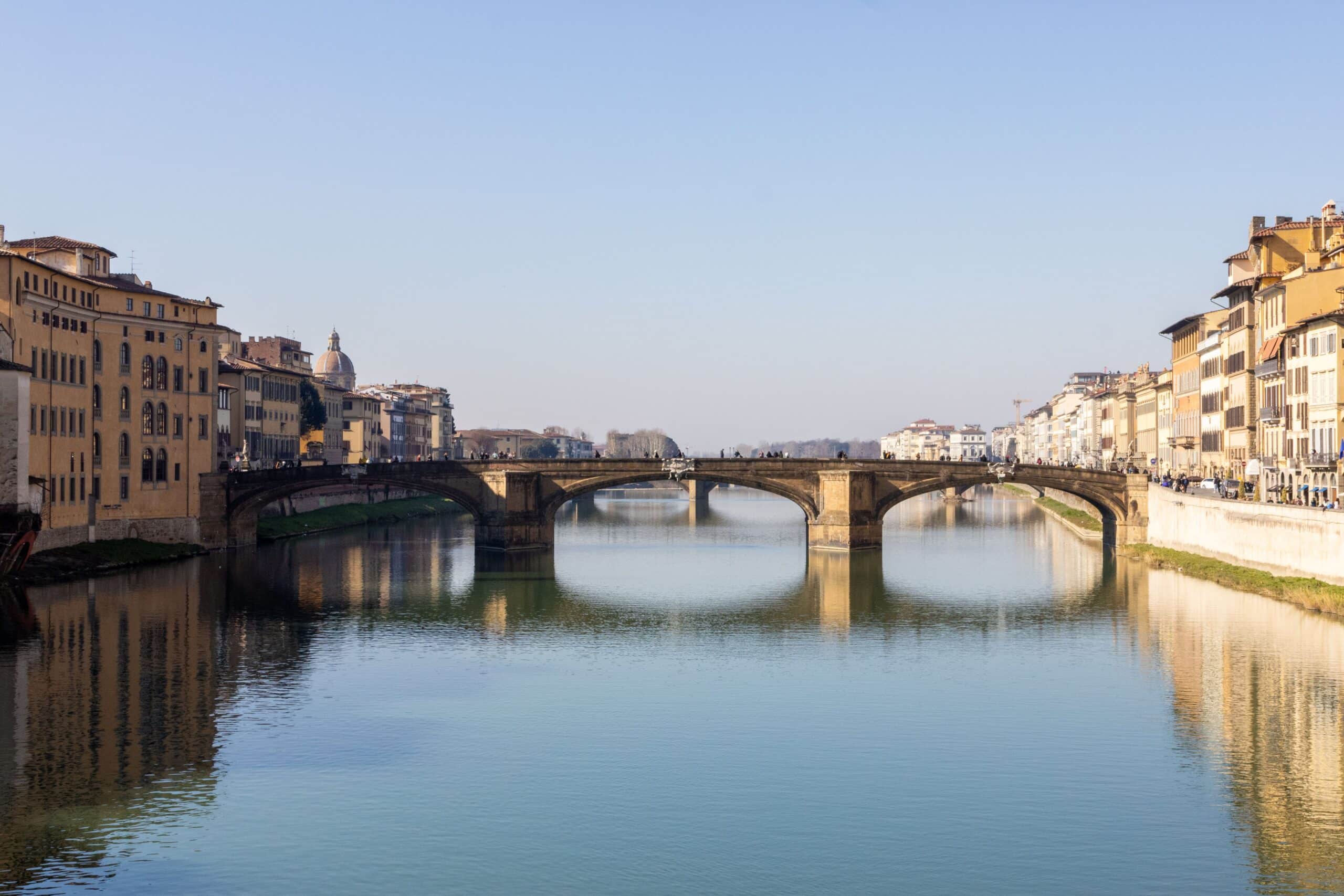
Vasari Corridor Florence: Rediscover the City’s Most Fascinating Secret Passage
For decades, visitors could admire Florence’s greatest treasures yet never step inside one of its most intriguing spaces.
Now that has changed.
The Vasari Corridor has reopened to the public, allowing visitors to walk through the historic elevated passage that once connected the power center of Renaissance Florence with the private residence of the ruling Medici family.
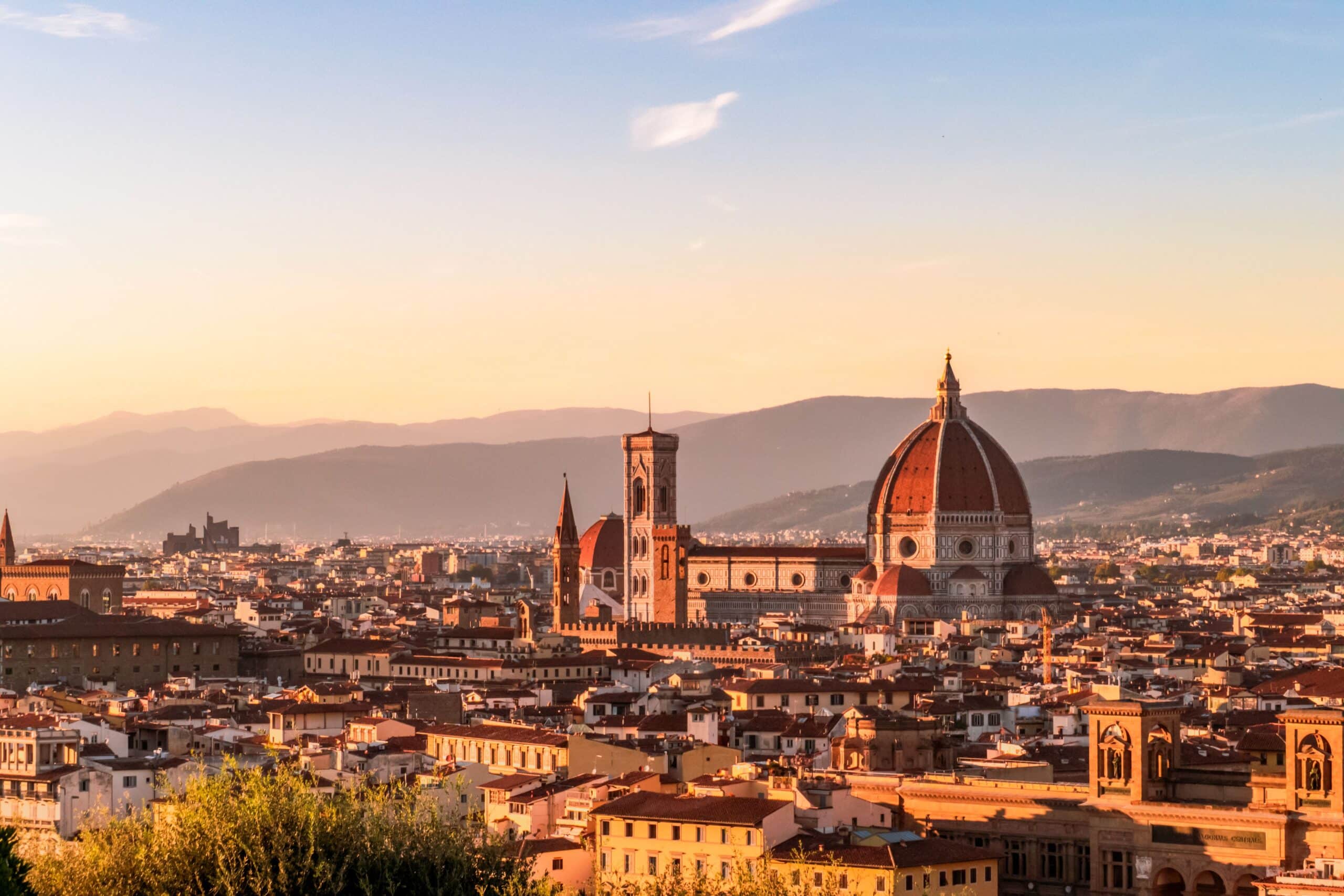
Stretching above city streets, crossing the famous Ponte Vecchio, and revealing a perspective of Florence few travelers have ever seen, the corridor offers a rare glimpse into the world of dukes, artists, politics, and power.
For travelers seeking deeper access to Florence’s history, this experience has quickly become one of the most sought-after cultural visits in Italy.
What Is the Vasari Corridor?
The Vasari Corridor is a nearly one-kilometer enclosed passageway built in 1565 for the Medici family.
Designed by architect Giorgio Vasari, it connects the Palazzo Vecchio and the Uffizi Galleries with the Pitti Palace, allowing the Medici rulers to move safely through the city without entering crowded streets.
The corridor passes above shops, homes, churches, and the iconic Ponte Vecchio.
After years of restoration and modernization, visitors can once again access this extraordinary route.
Why the Reopening Matters
The reopening of the Vasari Corridor represents one of the most significant cultural developments in Florence in recent years.
For generations, access was highly restricted. Many travelers knew about the passage but never had the opportunity to experience it.
Today, visitors can follow the same route once used by Medici rulers while enjoying views that reveal Florence from an entirely different perspective.
Walking through the corridor feels intimate and personal.
You are not standing in a crowded piazza.
You are moving through a hidden layer of Florence that was created specifically for one family whose influence shaped the Renaissance.
The Story Behind the Corridor
In 1565, Duke Cosimo I de’ Medici commissioned Giorgio Vasari to design a secure route between the government’s headquarters and the family’s residence.
The occasion was the wedding of Cosimo’s son, Francesco I de’ Medici, to Joanna of Austria.
Vasari completed the project in only a few months.
The result was an engineering achievement that still amazes visitors today.
The corridor winds above Florence’s historic center, threading through existing buildings and crossing the Arno River without disrupting daily life below.
It allowed the Medici family to travel securely between political meetings, official ceremonies, and private family life.
For centuries, it remained a symbol of authority and privilege.
Today, it serves as a window into Renaissance Florence.
What You’ll See Inside the Vasari Corridor
The appeal of the corridor extends far beyond its historical significance.
The experience itself reveals layers of Florence that remain invisible from street level.
Spectacular Views of Ponte Vecchio
One of the most memorable moments comes when the corridor crosses above Ponte Vecchio.
Large windows provide views of Florence’s most famous bridge and the Arno River below.
These perspectives were once reserved for Medici rulers.
Today they offer photographers and history lovers an unforgettable vantage point.
Florence From Above
The corridor reveals rooftops, courtyards, church domes, and hidden corners rarely noticed by visitors.
Even travelers who have visited Florence multiple times often discover an entirely new appreciation for the city.
The elevated perspective changes how you understand the urban landscape.
You begin to see how Renaissance Florence functioned as a living, interconnected city.
A Different Relationship With History
Many museums display history behind glass.
The Vasari Corridor places visitors inside it.
You are physically moving through the same space where rulers, diplomats, servants, and members of the Medici court once walked.
That direct connection creates a powerful sense of place.
History & Cultural Context
Few families influenced European history as profoundly as the Medici.
From banking and politics to art patronage and diplomacy, their reach extended far beyond Florence.
The Medici supported artists including Michelangelo, Leonardo da Vinci, and Sandro Botticelli.
They helped transform Florence into one of the most important cultural centers in the world.
The Vasari Corridor stands as a physical reminder of that influence.
Its construction reflected the realities of Renaissance politics, where visibility and security often existed in tension.
The passage allowed rulers to remain connected to the city while maintaining control over their movements.
Understanding this context enriches every step of the visit.
Is the Vasari Corridor Worth Visiting?
For many travelers, the answer is yes.
If you enjoy Renaissance history, architecture, art, or unique cultural experiences, the corridor offers something difficult to find elsewhere.
Unlike major landmarks that attract thousands of visitors each day, access remains limited.
That sense of exclusivity contributes to the experience.
The corridor also complements Florence’s most important attractions rather than competing with them.
Visitors who explore the Uffizi, Palazzo Pitti, and Ponte Vecchio gain a deeper understanding of how these sites connected within the Medici world.
Best Time to Visit the Vasari Corridor
Spring
Spring offers mild temperatures and beautiful light throughout Florence.
March through May often provides an ideal balance of pleasant weather and manageable visitor numbers.
Early Autumn
September and October remain excellent months for cultural travel.
The city retains its energy while summer crowds begin to ease.
Winter
Winter can be surprisingly rewarding.
Lower visitor numbers create a calmer atmosphere throughout Florence’s museums and historic sites.
The softer seasonal light also enhances views across the city.
Practical Tips for Visiting
Book Well in Advance
Demand remains exceptionally high following the reopening.
Advance planning is essential.
Pair Your Visit With the Uffizi
Many visitors combine the corridor with time at the Uffizi for a more complete understanding of Medici Florence.
Wear Comfortable Shoes
Although the route is not strenuous, comfortable footwear makes the experience more enjoyable.
Arrive Early
Allow time to navigate Florence’s historic center and enjoy the surrounding area before your scheduled entry.
Local Expert Tip
After visiting the corridor, cross the river and spend time exploring the quieter streets surrounding the Oltrarno district.
Many visitors rush back toward Florence’s busiest landmarks.
Locals know that the neighborhoods near Palazzo Pitti reveal a slower side of the city filled with artisan workshops, historic cafés, and beautiful architecture.
The contrast helps bring the Medici story into sharper focus.
You see both the grand ambitions of Renaissance rulers and the everyday Florence that still exists today.
Frequently Asked Questions
Can anyone visit the Vasari Corridor?
Yes. Following its reopening, public access is available through scheduled visits, though capacity remains limited.
How long does the visit take?
Most visits last approximately one to two hours depending on the specific itinerary.
Does the corridor cross Ponte Vecchio?
Yes. The corridor famously passes above Ponte Vecchio and offers remarkable views of the bridge and the Arno River.
Who built the Vasari Corridor?
Architect Giorgio Vasari designed and built the corridor in 1565 for the Medici family.
Is the Vasari Corridor suitable for repeat visitors to Florence?
Absolutely. Many experienced travelers consider it one of the city’s most rewarding cultural experiences because it reveals a perspective unavailable during traditional sightseeing.
Why Experience the Vasari Corridor With Artviva
The reopening of the Vasari Corridor has created tremendous interest among travelers who want meaningful access to Florence’s history.
Since 1996, Artviva has helped curious travelers experience Italy through expert storytelling, small groups, and carefully designed itineraries that connect history with the living city around it.
Our Vasari Corridor experience goes beyond simply walking through a famous passage.
You’ll gain context, historical insight, and a deeper understanding of how the Medici transformed Florence into the cradle of the Renaissance.
Whether this is your first visit or your tenth, the corridor reveals a side of Florence that many travelers never encounter.
Availability remains limited, and demand continues to grow.
If the Vasari Corridor is on your Florence wish list, we encourage you to contact Artviva early to secure your preferred dates and discover one of the city’s most remarkable experiences.
Rediscover Florence From a Different Perspective
Florence rewards curiosity.
Beyond the famous piazzas, cathedral domes, and masterpieces lies a city layered with stories waiting to be uncovered.
The Vasari Corridor offers a rare chance to step inside one of those stories.
You follow the footsteps of Renaissance rulers, look out across centuries-old rooftops, and experience Florence from a viewpoint few people have enjoyed.
Some places teach history.
Others allow you to walk through it.
The Vasari Corridor does exactly that.
Contact Artviva to learn more about experiencing the Vasari Corridor Tour seeing Florence through the eyes of the Medici.