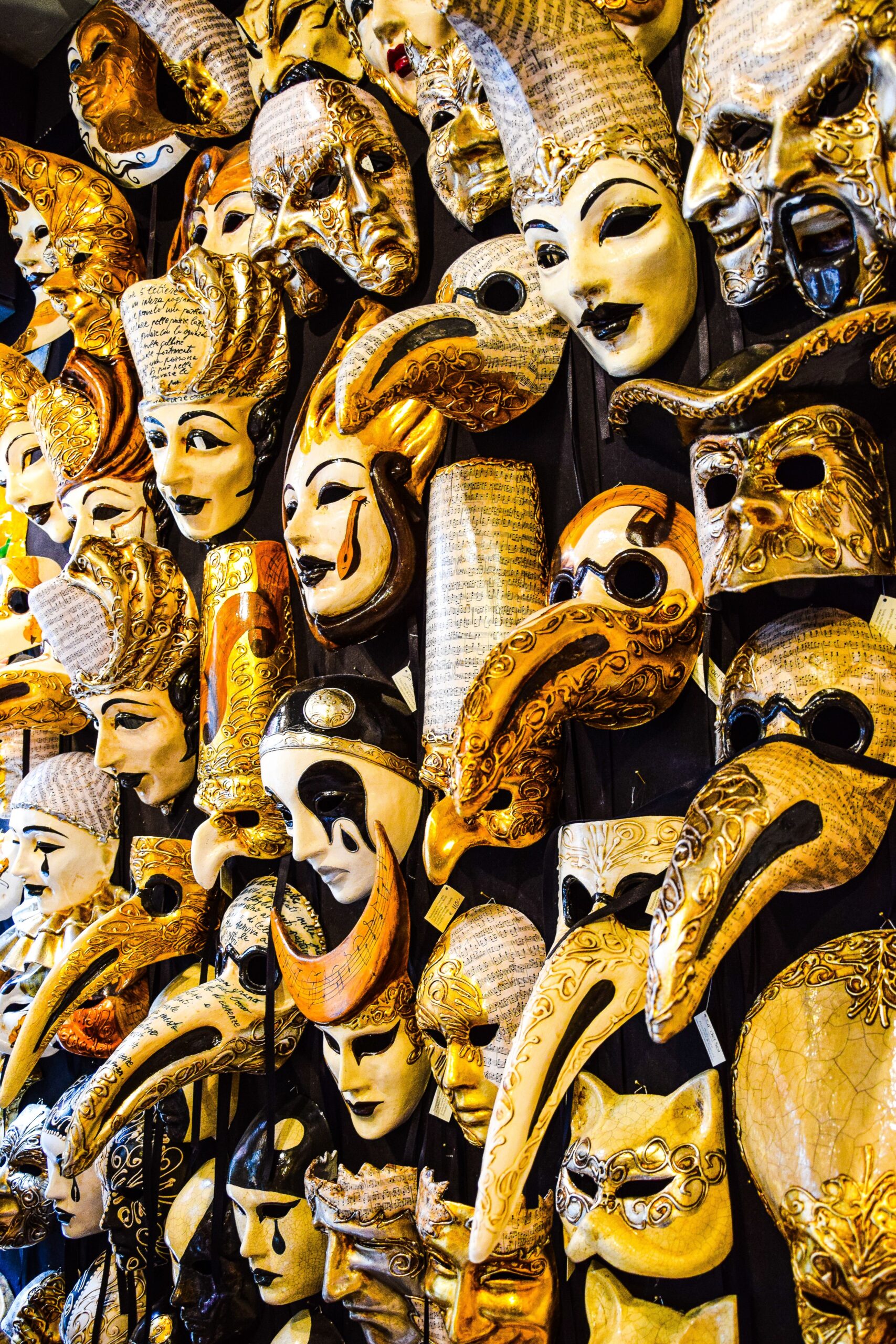
Venetian Masks in Venice: History, Symbolism, and the Living Craft Behind Carnival Tradition
Few objects are as immediately associated with Venice as the Carnival mask. Elegant, expressive, and often layered with gold leaf and delicate ornamentation, these creations seem to belong to another world. They appear in shop windows along winding canals, in winter celebrations filled with colour and theatre, and in quiet workshops where artisans continue to shape them by hand.
Yet the meaning of Venetian masks reaches far beyond their visual appeal. They are not simply decorative objects or Carnival accessories. They are part of a much older cultural language, one that reflects how Venice has understood identity, society, and performance for centuries.
To walk through Venice with even a basic awareness of its masks is to experience the city differently. What first appears ornamental begins to feel symbolic. What seems theatrical becomes historical. And what looks like tradition reveals itself as a living conversation between past and present.
Many visitors overlook how deeply these objects are woven into Venetian identity, assuming they belong only to Carnival. In reality, they represent one of the city’s most enduring cultural expressions.
The Origins of Venetian Masks and the City That Shaped Them
Venice has always been a city defined by its unusual relationship with the world around it. Built on water rather than land, it developed as a maritime republic that connected Europe to the eastern Mediterranean. Trade brought immense wealth, but it also brought cultural exchange, artistic influence, and a sense of openness that shaped Venetian identity in distinctive ways.
Within this environment, masks became more than decoration. They became part of how Venetians navigated society itself.
During the height of the Republic, masks allowed citizens to step outside the boundaries of class and reputation. For a time, identity could be softened or entirely concealed. This created a social space where interaction felt different, freer, and at times more experimental than in many other European cities of the period.
What most travelers never realize is that this practice extended well beyond Carnival celebrations. Masks appeared in various aspects of public and private life, reflecting a society comfortable with performance and transformation.
Venice did not merely tolerate illusion. It incorporated it into daily existence.
Why Masks Belong to Venice
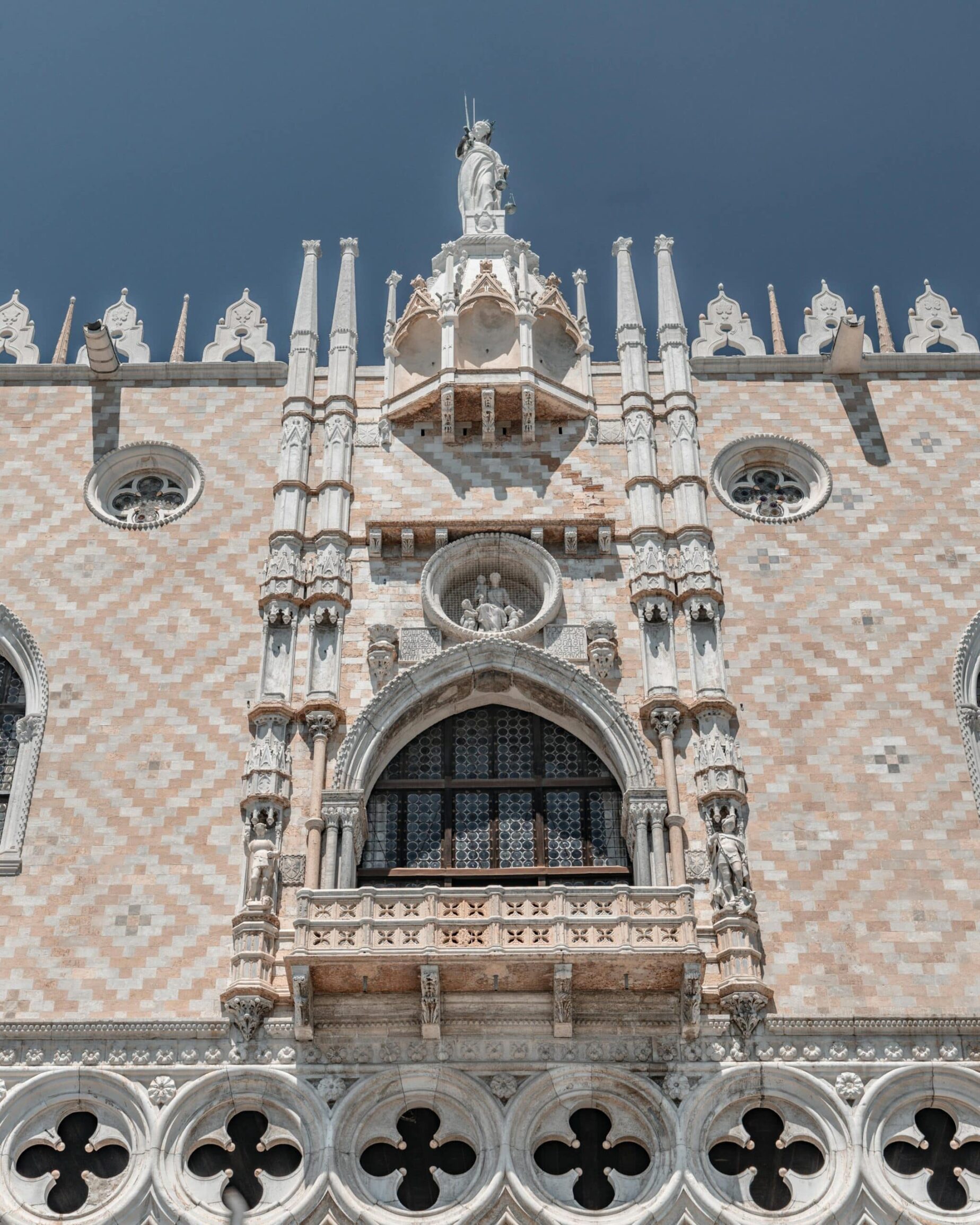
It is difficult to separate Venetian masks from the city itself because both share a common language of contrast. Venice is at once grand and intimate, permanent and fragile, public and hidden. Its architecture reflects this duality, with ornate facades that conceal intricate interiors and quiet courtyards tucked behind busy walkways.
Masks reflect the same principle in human form.
They allow transformation without permanence. They invite expression without exposure. They create a space where identity becomes fluid rather than fixed.
This idea remains surprisingly relevant today. In a world where identity is often curated and displayed constantly, the Venetian mask feels unexpectedly contemporary. It reminds us that the desire to shape how we are seen is not new, but deeply human.
The Symbolism Behind Venice’s Most Recognizable Mask Styles
Among the many forms of Venetian masks, several have become particularly emblematic, each carrying its own historical associations and visual language.
The Bauta, with its distinctive angular shape, once allowed wearers to speak and eat without revealing their faces. It became associated with anonymity and social equality, creating a temporary suspension of hierarchy.
The Volto, by contrast, is smooth and minimal, often serving as a blank canvas for artistic interpretation. Its simplicity allows decoration to transform meaning entirely, depending on colour, texture, and finish.
The Colombina, partially covering the face, carries a lighter, more theatrical quality, reflecting Venice’s long relationship with performance and stage tradition.
Local historians often note that these masks were never arbitrary designs. Each form developed within a specific cultural context, shaped by function, symbolism, and the evolving rhythms of Venetian life.
The Craft Tradition That Keeps Masks Alive
Although masks are widely associated with Carnival imagery, their continued relevance depends on something far more enduring than seasonal celebration: craftsmanship.
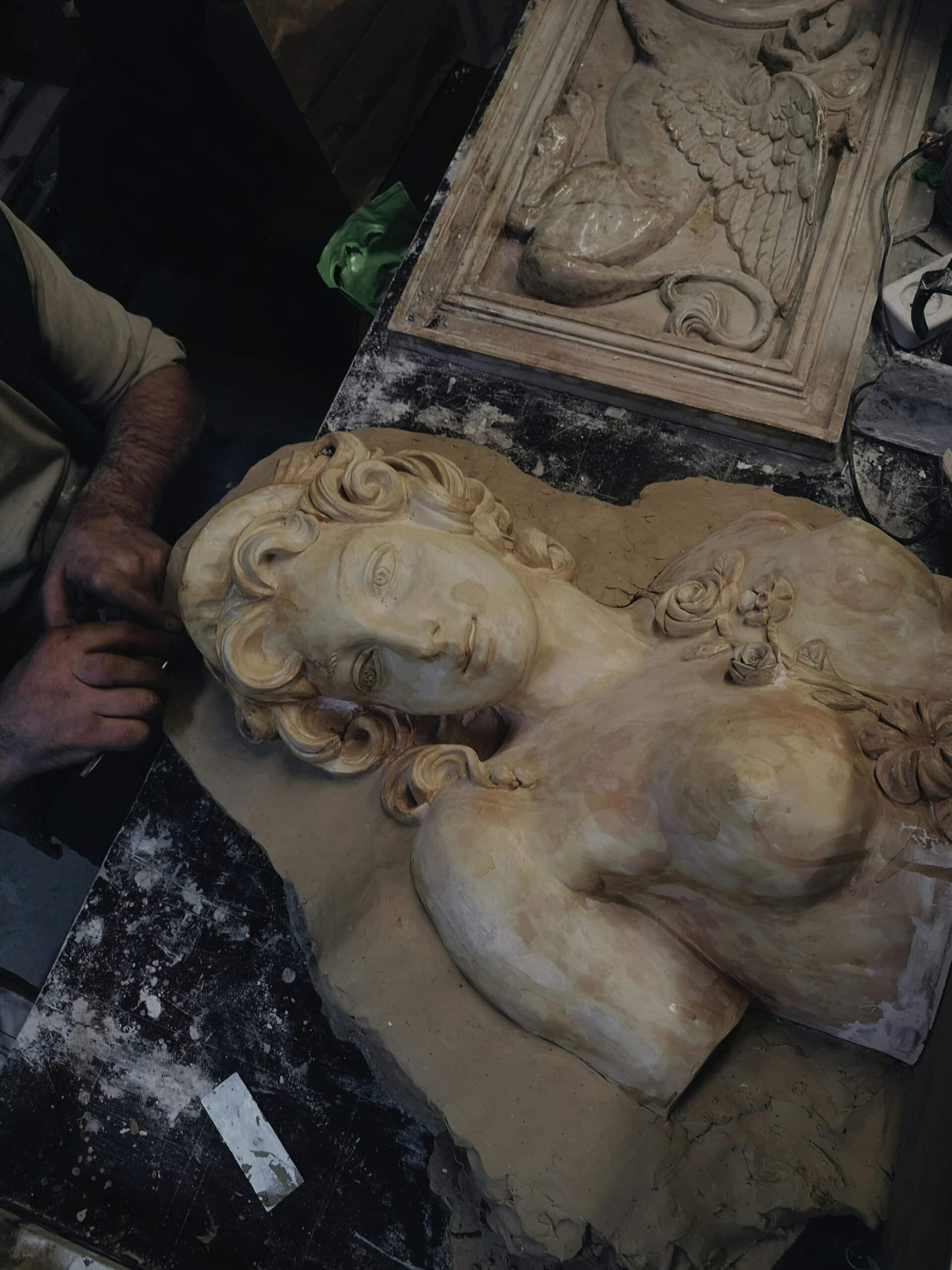
In Venice today, a small number of artisans continue to preserve traditional mask-making techniques. These methods involve layering materials such as papier-mâché, applying pigments with precision, and often incorporating decorative elements like gold leaf or metallic detailing.
The process is deliberate rather than industrial. Each piece carries the mark of human hands, and no two masks are identical in expression or detail.
Many visitors are surprised to learn how much time and care is required to create even a single piece. Yet this patience is precisely what distinguishes authentic Venetian craftsmanship from mass-produced imitations found elsewhere.
The deeper story lies in continuity. These techniques have survived because they are still practiced, not preserved behind glass.
Venice as a City of Artistic Transformation
To understand Venetian masks fully, it helps to see them within the broader artistic culture of Venice itself.
This is a city where creativity has always been embedded into daily life. From glassmaking in Murano to textile traditions that once shaped European fashion, Venice developed as a center of artistic innovation long before modern tourism existed.
Masks belong to this same ecosystem of creativity.
They represent the intersection of performance, identity, and craftsmanship. They are objects that exist between art and ritual, between personal expression and collective tradition.
Many visitors only begin to appreciate this when they slow down enough to observe the details: the layering of materials, the subtle asymmetry of hand-painted surfaces, the quiet individuality of each piece.
These are not simply decorative choices. They are expressions of a long-standing cultural philosophy.
Why Travelers Continue to Be Drawn to Venetian Masks
In contemporary travel, experiences that feel meaningful and tactile have become increasingly valued. Travelers are no longer satisfied with passive observation alone. They seek connection, context, and a sense of participation.
Venetian masks naturally align with this desire.
They offer a tangible link to history while remaining open to personal interpretation. They invite curiosity rather than passive viewing.
Many visitors find that their understanding of Venice deepens once they begin to see how central these objects are to the city’s cultural identity.
What may initially appear as a souvenir becomes, over time, a reflection of Venice’s enduring relationship with transformation and storytelling.
Local Expert Perspective: What Visitors Often Miss
One of the most common misunderstandings about Venetian masks is the assumption that their significance is purely decorative or tied only to Carnival.
In reality, their meaning is far more layered.
Local experts often point out that masks should be understood not as costumes, but as cultural artifacts. They represent ideas about identity, society, and freedom that have evolved over centuries.
Looking at them through this lens changes how they are perceived entirely.
Instead of seeing them as objects of spectacle, they become entry points into Venetian history.
Seasonal Context and When Masks Feel Most Present in Venice
Although Venetian masks can be found throughout the year, their presence becomes particularly pronounced during Carnival season, when the city temporarily transforms into a stage of performance and celebration.
Outside of this period, however, masks take on a different character. They feel quieter, more reflective, and more connected to craft than spectacle.
Each season reveals a different aspect of their identity, shaped by light, atmosphere, and the rhythms of Venetian life.
Frequently Asked Questions About Venetian Masks
Why are Venetian masks so famous?
Venetian masks are famous because they are tied to Venice’s Carnival traditions and centuries of artistic craftsmanship. They symbolize the city’s history of theatre, identity, and celebration.
What do Venetian masks represent?
They represent anonymity, freedom, and transformation. Historically, they allowed people to hide their identity and move beyond social class boundaries in Venetian society.
Are Venetian masks still made in Venice today?
Yes. A small number of Venetian artisans still make masks by hand using traditional materials and techniques passed down through generations.
What is the difference between authentic and souvenir Venetian masks?
Authentic masks are handmade in Venice by artisans. Souvenir versions are often mass-produced and lack the detail, materials, and craftsmanship of originals.
When can you see Venetian masks in Venice?
They are most visible during Carnival, but they can be found year-round in artisan workshops and cultural spaces across the city.
Do Venetian masks still have cultural meaning today?
Yes. They remain a symbol of Venetian identity, creativity, and history, not just decoration or Carnival costumes.
Experience Venice Through Its Living Traditions with Artviva
Understanding Venetian masks in depth often requires more than observation alone. Their history, symbolism, and craftsmanship become far more meaningful when explored through the perspectives of those who continue to preserve them today.
If Venetian masks have captured your curiosity, we invite you to explore Venice with those who know its traditions from within. Artviva can help you shape a more personal encounter with the city, rooted in authenticity, context, and meaningful cultural connection.
Rather than presenting Venice as a series of sights to check off, Artviva focuses on revealing the human stories behind its traditions. This approach allows visitors to move beyond surface impressions and engage more deeply with the cultural fabric of the city.
Why Artviva Is Highly Qualified in Cultural Experiences
Since 1996, Artviva has built long-standing relationships with Italy’s artisan communities, cultural institutions, and local specialists. This experience has been developed over decades of collaboration, not short-term tourism trends.
Our work is grounded in trust, continuity, and respect for local knowledge. Each experience is shaped by individuals who are not only experts in their craft, but active participants in preserving it.
For travelers, this means access to perspectives that are often unavailable through conventional tourism. It also ensures that experiences remain authentic, respectful, and culturally informed.
In Venice, where tradition and transformation coexist, this depth of understanding adds meaningful context to what might otherwise remain only visual impressions.
Discover Mask Making Workshop in Venice – Private Artisan Experience and step into the world of Venetian artisans to uncover the stories, techniques, and traditions behind one of Venice’s most iconic symbols.