
Venice Bacari and Cicchetti: The Social Traditions Behind the City’s Cuisine
Beyond the Canals: Discovering Venice Through Its Bacari and Cicchetti Traditions
Many visitors remember Venice for its canals, Gothic palaces, and shimmering reflections across the lagoon. Yet ask many Venetians where the true spirit of the city can be found, and the answer may be surprisingly simple: inside a bacaro, with a glass of wine in hand, a plate of cicchetti nearby, and conversations unfolding around the room.
Exploring Venice bacari offers one of the most authentic ways to understand the character of the city. These traditional wine bars have welcomed generations of locals, from merchants and artisans to fishermen and neighbors, creating spaces where food, wine, and community come together.
The charm of a bacaro is not based on formality. It is found in its atmosphere. A small glass of wine, known as an ombra, a few carefully prepared bites, and a lively conversation can reveal centuries of Venetian culture in a way that many famous landmarks cannot.
For travelers seeking to experience Venice beyond its most photographed sights, the city’s bacari provide a glimpse into everyday traditions that continue to shape local life.
Quick Answer: What Are Venice Bacari and Cicchetti?
Venice bacari are traditional Venetian wine bars where locals gather to enjoy small plates called cicchetti alongside regional wines. These informal gathering places have been part of Venetian culture for centuries, offering visitors an authentic way to experience local food traditions, social customs, and the everyday rhythm of the city.
How Venice Bacari Became the City’s Gathering Places
The story of the bacaro is closely connected to Venice’s history as a powerful maritime center.
For centuries, Venice served as a bridge between Europe and the Mediterranean world. Ships arrived carrying spices, wines, dried fruits, olive oil, and ingredients that influenced the city’s cuisine. Alongside this movement of goods came places where sailors, traders, and workers could stop for refreshment and conversation.
Over time, small wine establishments developed into the bacari that exist today.
Unlike formal dining rooms reserved for special occasions, bacari became part of daily Venetian life. They were places where neighbors met after work, friends shared stories, and communities maintained connections.
Many visitors overlook this quieter side of Venice. The city is often admired through its monuments, but its identity has always depended equally on the small traditions that happen away from the grand façades.
The deeper story lies in these everyday rituals.
A bacaro is not simply a place to eat and drink. It represents a way of connecting with the city and the people who call it home.
Why Cicchetti Are the Heart of Venetian Food Culture
No exploration of Venice’s culinary traditions is complete without understanding cicchetti.
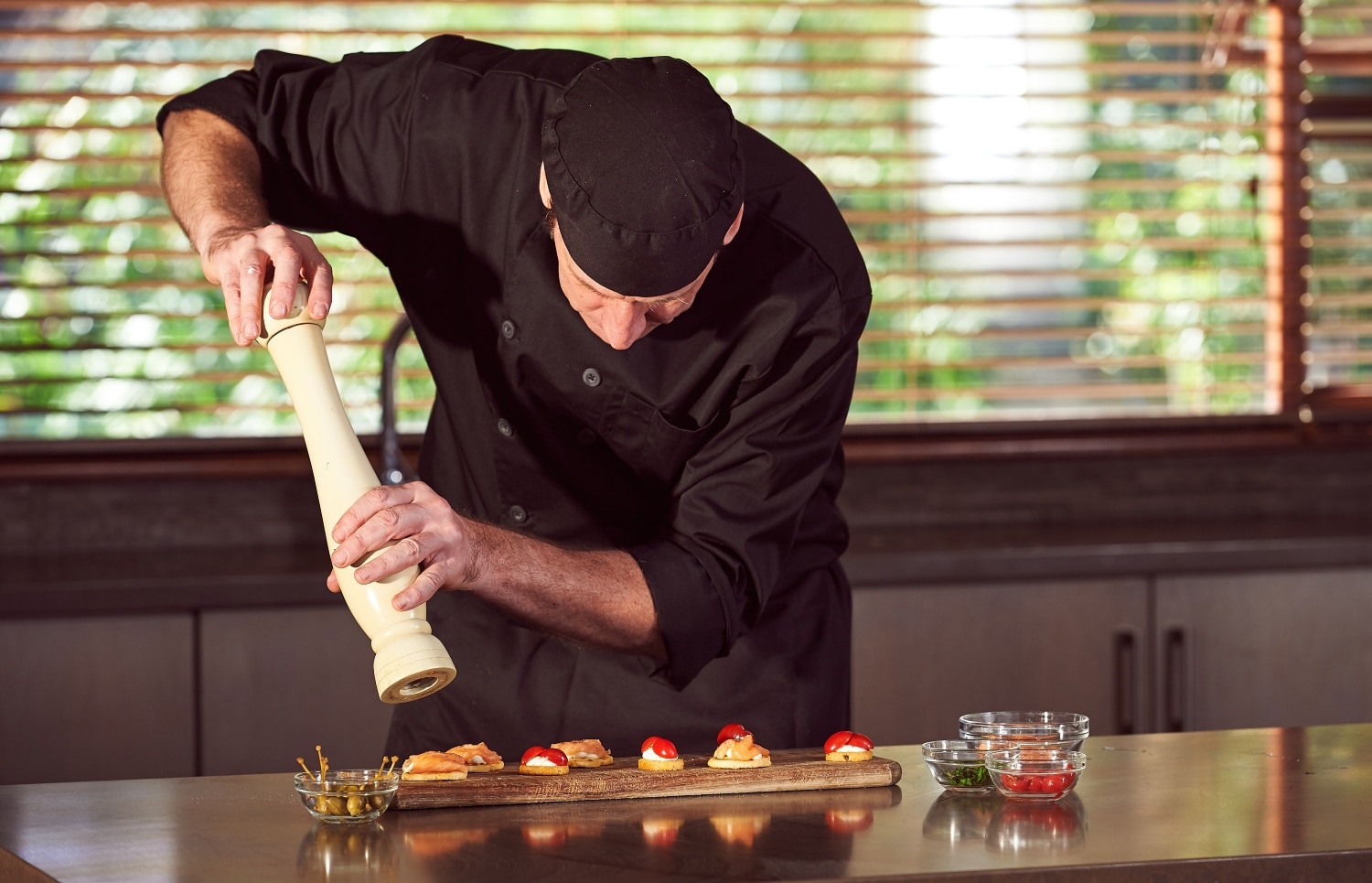
These small plates reflect the history and geography of the lagoon. Some highlight seafood from nearby waters, while others feature seasonal vegetables, cured meats, cheeses, or traditional spreads served on small pieces of bread.
The variety of cicchetti reflects an important principle of Venetian cooking: respect for ingredients.
Rather than relying on complicated preparation, many dishes allow a few carefully chosen elements to create balance and flavor.
This approach developed from necessity and creativity. Venice’s relationship with the sea, its trading connections, and the changing availability of ingredients all shaped the city’s cuisine.
Many visitors expect Italian food traditions to focus on large meals served at a table. Cicchetti culture offers something different.
Guests often move between bacari, sampling different specialties while enjoying conversation and wine along the way. The experience feels spontaneous and social, reflecting the Venetian preference for shared moments rather than rushed dining.
The Role of Wine in Venetian Life
Wine has long been part of Venice’s cultural identity.
The city’s position as a trading hub connected it with vineyards throughout the Veneto and neighboring regions. Local taverns became important places where residents could enjoy wines brought from surrounding areas.
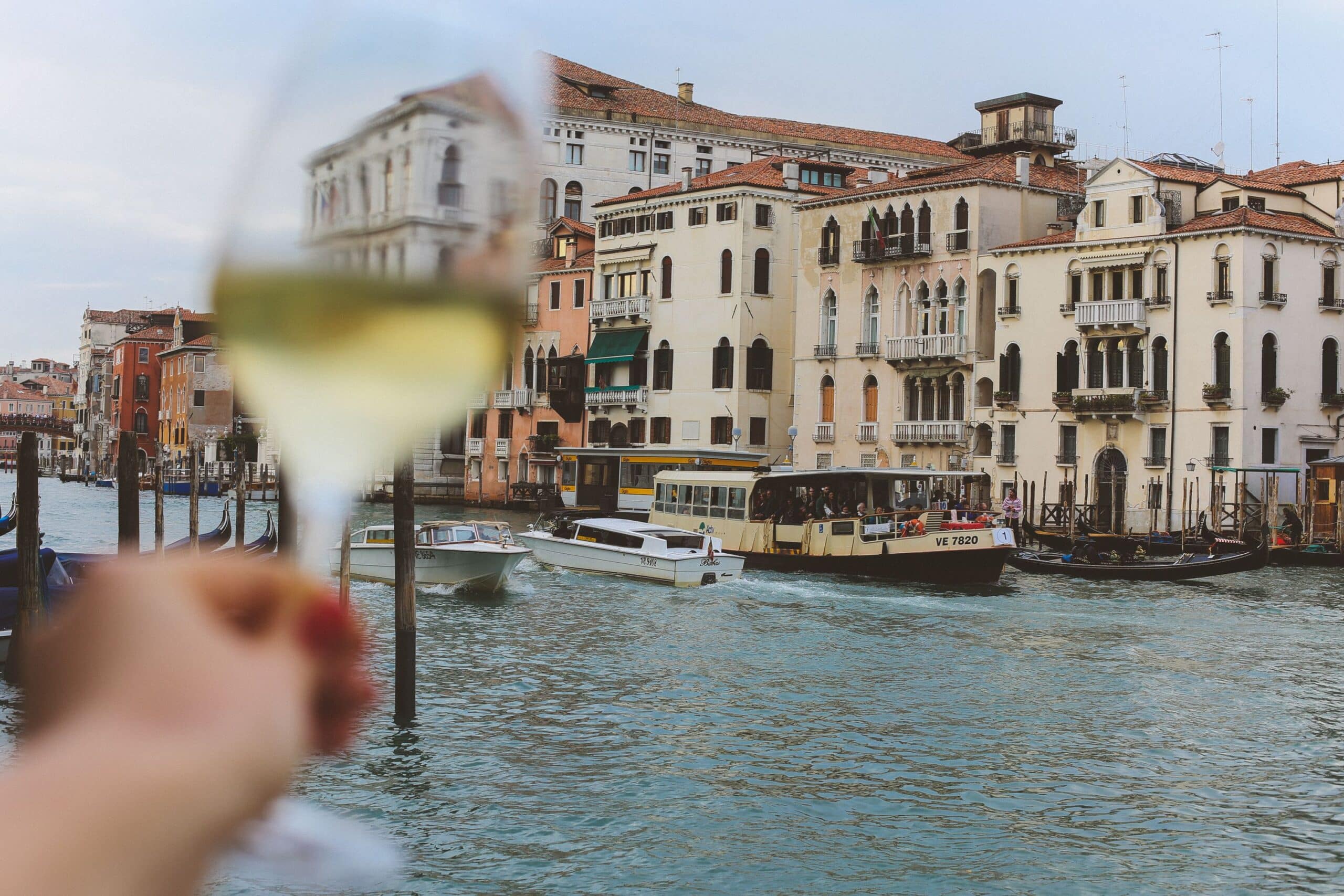
The traditional small glass served in a bacaro is called an ombra, a word that means “shadow.”
One popular story suggests the name comes from wine sellers who moved their stands around St. Mark’s Square to remain in the shade and keep their wine cool. Whether the legend is entirely accurate or not, it remains one of Venice’s most charming culinary stories.
What matters most is the tradition that continues today.
Sharing a glass of wine in a bacaro is about connection as much as taste. It represents a pause in the day, a chance to meet others, and an opportunity to participate in a ritual that has lasted for generations.
What Makes Venetian Cuisine Different From Other Italian Food Traditions?
Italy does not have one single cuisine.
Each region reflects its own landscape, history, and cultural influences. Venetian cuisine developed from the city’s unusual relationship with water, trade, and international exchange.
The lagoon shaped local ingredients. Seafood became central. Rice, vegetables, preserved foods, and spices influenced traditional recipes. The result is a cuisine that often feels lighter and more delicate than many other Italian regional styles.
Many travelers arrive in Venice expecting familiar Italian dishes but discover a culinary identity that could only exist here.
The flavors of Venice tell the story of a city built between land and sea.
Rialto Market and the Origins of Venetian Food Traditions
The story of Venetian cuisine begins long before food reaches a bacaro.
For centuries, Rialto Market has been one of the city’s most important places for fresh ingredients. Fish from the lagoon, seasonal vegetables, herbs, and local produce have supplied Venetian households and restaurants for generations.
Although many visitors pass through the market quickly, local experts often point out that it represents something much deeper.
It is a living connection between modern Venice and the traditions that sustained the city for centuries.
Understanding where ingredients come from changes the way travelers experience Venetian food. A simple dish becomes connected to fishermen, farmers, merchants, and the landscape itself.
What Most Travelers Never Notice About Venice
Many visitors spend their days moving between St. Mark’s Square, the Rialto Bridge, and Venice’s famous palaces.
These landmarks deserve their reputation.
Yet another Venice exists in quieter neighborhoods, where residents gather outside small wine bars, neighbors exchange greetings, and daily life continues along narrow canals.
The experience takes on new meaning when viewed through these ordinary moments.
A bacaro reveals Venice as a living city rather than simply a collection of historic attractions.
The conversations, customs, and small traditions often provide the clearest understanding of Venetian identity.
Local Expert Tip: Look Beyond the Food Itself
When experiencing Venice’s culinary traditions, pay attention to the stories behind the dishes.
Many visitors focus on what they taste but overlook why certain ingredients became important or how particular customs developed.
Local experts often point out that food traditions are closely connected to geography, history, and community.
A cicchetto is not only a small plate of food.
It can represent the relationship between Venice and the lagoon, the influence of centuries of trade, or the social importance of gathering together.
Understanding these connections transforms a simple tasting experience into a deeper cultural encounter.
Experience It Firsthand: Discover Venice Through Bacari Culture
For travelers who want to understand Venice through its food and wine traditions, Artviva’s Taste of Venice: Bacari Tour with a Traghetto Crossing of the Grand Canal offers an opportunity to explore the city’s culinary heritage through local insight and authentic traditions.
Taste of Venice: ‘Bacari’ Tour with a Traghetto Crossing of the Grand Canal
Exploring Venice bacari with knowledgeable local guidance adds depth to the experience because the meaning behind these traditions is often found in the stories, customs, and historical context surrounding them.
Rather than simply tasting cicchetti and regional wines, travelers gain a greater understanding of why these traditions developed and how they continue to shape Venetian life today.
The experience becomes a window into the social fabric of Venice, where food, conversation, and community have always been closely connected.
For visitors who want to move beyond the surface of the city, discovering its bacari offers a meaningful way to appreciate Venice through the eyes of those who know its traditions best.
When Is the Best Time to Experience Venice Bacari?
Venice bacari can be enjoyed throughout the year, and each season creates a different atmosphere.
Spring and autumn are especially pleasant for exploring the city at a comfortable pace, with lively local activity and changing seasonal ingredients.
Summer evenings bring a relaxed energy as residents gather outdoors and enjoy longer days.
Winter offers a quieter side of Venice, when traditional wine bars can feel especially welcoming and intimate.
Regardless of when you visit, approaching the experience with curiosity will reveal more than simply the food itself.
Practical Advice for Enjoying Venice’s Food Traditions
Exploring Venice’s bacari naturally involves walking through historic streets, bridges, and neighborhoods, so comfortable footwear is helpful.
Travelers often find that the most rewarding experiences come from being open to unfamiliar flavors and local customs.
Rather than focusing only on famous dishes, consider asking questions, learning the stories behind ingredients, and appreciating the traditions that make Venetian cuisine unique.
Food in Venice is closely connected to conversation and community. Allowing time for those moments often creates the strongest memories.
Frequently Asked Questions About Venice Bacari and Cicchetti
What is a bacaro in Venice?
A bacaro is a traditional Venetian wine bar where locals gather to enjoy regional wines and cicchetti in a relaxed social setting.
What are cicchetti in Venice?
Cicchetti are small Venetian dishes prepared with ingredients such as seafood, vegetables, cured meats, cheeses, and regional specialties.
What does ombra mean in Venice?
An ombra is a small glass of wine traditionally served in Venetian bacari and is an important part of the city’s social drinking culture.
Are Venice bacari only popular with tourists?
No. Many bacari remain important gathering places for locals who visit them for conversation, drinks, and traditional food.
Why is Venetian cuisine unique?
Venetian cuisine reflects the city’s maritime history, combining seafood, regional ingredients, and influences from centuries of trade across the Mediterranean.
What is the best way to experience Venice food traditions?
Learning about the history and customs behind Venetian cuisine with knowledgeable local guidance can provide a deeper understanding than simply tasting dishes without context.
Discover Venice Through the Traditions That Bring the City to Life
Venice has always fascinated travelers with its extraordinary beauty, but the true character of the city is also found in its smaller traditions.
Inside its bacari, around shared plates of cicchetti and glasses of local wine, Venice reveals another side of itself: social, welcoming, and deeply connected to its past.
Food offers a unique way to understand the city because every flavor carries a story. The lagoon influences the ingredients, history shapes the traditions, and generations of Venetians continue to preserve the rituals that make these places special.
For travelers seeking a deeper connection with Venetian culture, Artviva’s Taste of Venice: Bacari Tour with a Traghetto Crossing of the Grand Canal provides an opportunity to discover these traditions through expert local interpretation and meaningful cultural experiences.
Taste of Venice: ‘Bacari’ Tour with a Traghetto Crossing of the Grand Canal
The memories of Venice often begin with its canals and architecture, but they are frequently completed around a small table, with a glass of wine, a plate of cicchetti, and a story shared by someone who knows the city well.