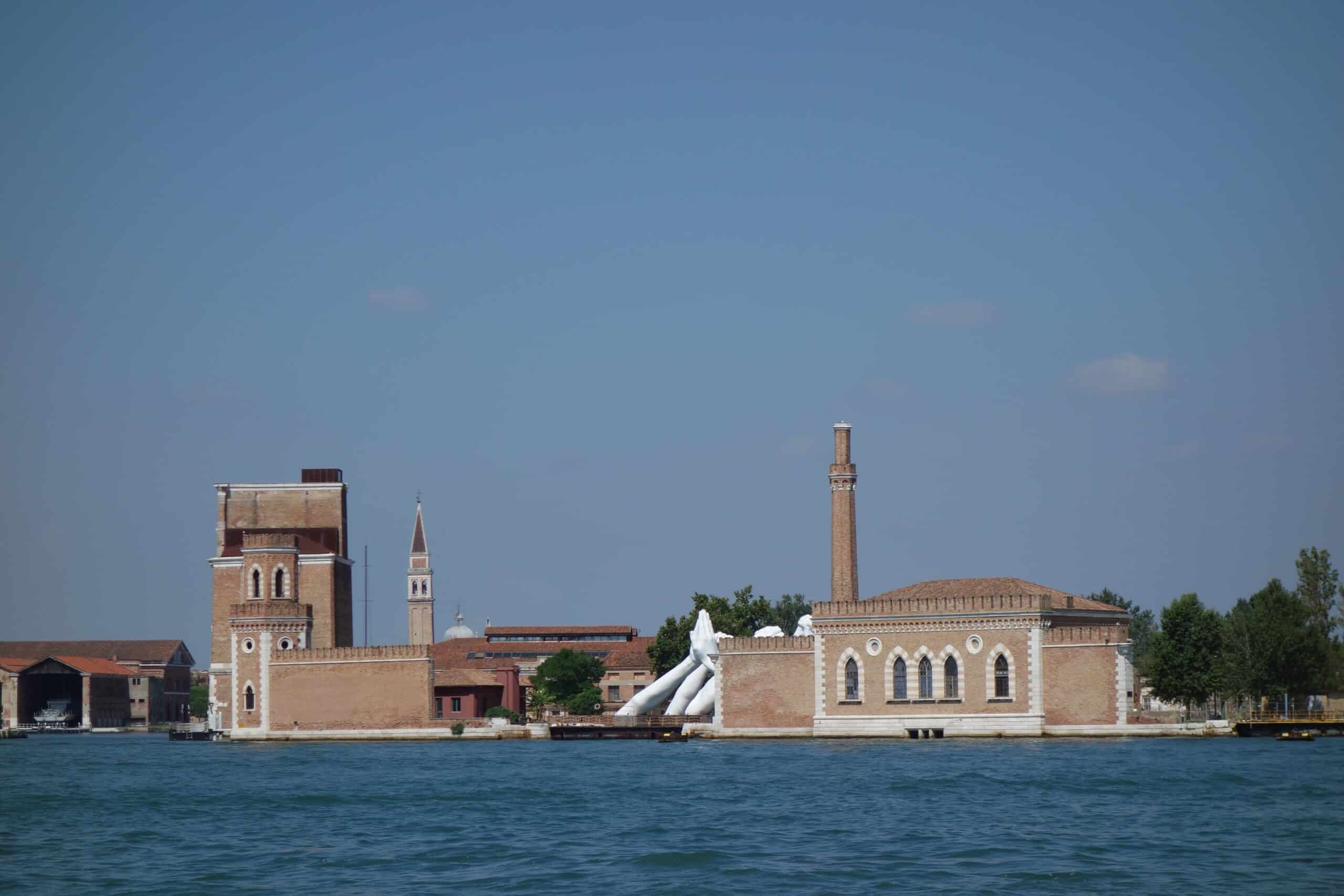
Venice at the Center of the Contemporary Art World
The Venice Biennale stands at the intersection of tradition and experimentation, where centuries-old architecture becomes a stage for the most urgent artistic ideas of the present moment. Every two years, Venice transforms into a global meeting point for artists, curators, and cultural thinkers shaping the direction of contemporary art.
For many visitors, the scale of the Biennale can feel overwhelming. Installations unfold across historic shipyards, garden pavilions, and converted industrial halls, each demanding time, context, and interpretation. What most travelers never realize is that the true meaning of the Biennale is not found in seeing everything, but in understanding what matters most.
What is the best way to experience the Venice Biennale?
The most rewarding way to experience the Venice Biennale is through a focused, expert-led approach that highlights the most significant works, pavilions, and themes of the current edition while providing cultural and historical context. This allows visitors to engage deeply with key installations rather than navigating the vast exhibition independently.
Why the Venice Biennale Defines Global Contemporary Art
Since its founding in 1895, the Venice Biennale has become one of the most influential platforms for contemporary art in the world. Its structure, built around national pavilions and central curated exhibitions, reflects a constantly evolving dialogue between identity, politics, material, and form.
Many visitors overlook how carefully each edition is constructed. Beyond visual impact, the Biennale reflects shifting global concerns, from environmental urgency to questions of technology, memory, and representation. It is less a single exhibition and more a living archive of the present.
Inside the World’s Most Important Art Exhibition
The Biennale unfolds across multiple environments in Venice, each offering a different rhythm and scale of experience.
Giardini: National Voices in Dialogue
The Giardini area brings together national pavilions, each presenting a distinct cultural perspective. Some spaces emphasize historical reflection, while others lean into experimental media or conceptual installation. The contrast between pavilions is part of what gives this section its intellectual tension.
The Arsenale: Immersive Contemporary Environments
The Arsenale, once a center of Venetian maritime power, now hosts large-scale installations that often blur boundaries between sculpture, sound, video, and architecture. The scale of these works encourages slower viewing and deeper reflection.
Beyond the Core Venues
Selected collateral exhibitions across the city extend the Biennale’s dialogue into palaces, churches, and hidden architectural spaces. These works often respond more directly to Venice itself, creating a layered conversation between artwork and setting.
How the Biennale Shapes Today’s Art Conversations
The Venice Biennale is not simply a presentation of finished works. It functions as a testing ground for ideas that often influence museum programming, gallery representation, and academic discourse worldwide.
Local experts often point out that the Biennale’s significance lies in its ability to reveal patterns. Themes emerge across countries and mediums, showing how artists independently respond to shared global pressures. These recurring ideas often become the defining artistic languages of the following decade.
Reading Between the Works: What Most Visitors Miss
At first glance, the Biennale can feel like a collection of striking visuals. But the deeper story lies in how these works speak to each other across space and context.
Without guidance, it is easy to miss the subtle curatorial decisions that shape meaning. The placement of an installation, the transition between rooms, or the contrast between historical architecture and contemporary materials often carries as much weight as the artwork itself.
This is where interpretation becomes essential. Understanding the relationships between works transforms the Biennale from a sequence of exhibitions into a coherent cultural narrative.
The Value of Expert-Led Context at the Venice Biennale
Because of its scale and complexity, the Biennale rewards visitors who engage with it through context rather than checklist viewing.
An experienced art specialist helps connect visual language with historical references, artistic movements, and curatorial intent. This shifts the experience from observation to understanding.
What most travelers never realize is that the Biennale is designed to be read, not just seen. Interpretation unlocks layers that are otherwise easy to overlook.
Venice as a Living Stage for Contemporary Ideas
Venice itself plays an active role in shaping the Biennale experience. The city’s light, water, and architectural density create a constant dialogue between environment and exhibition.
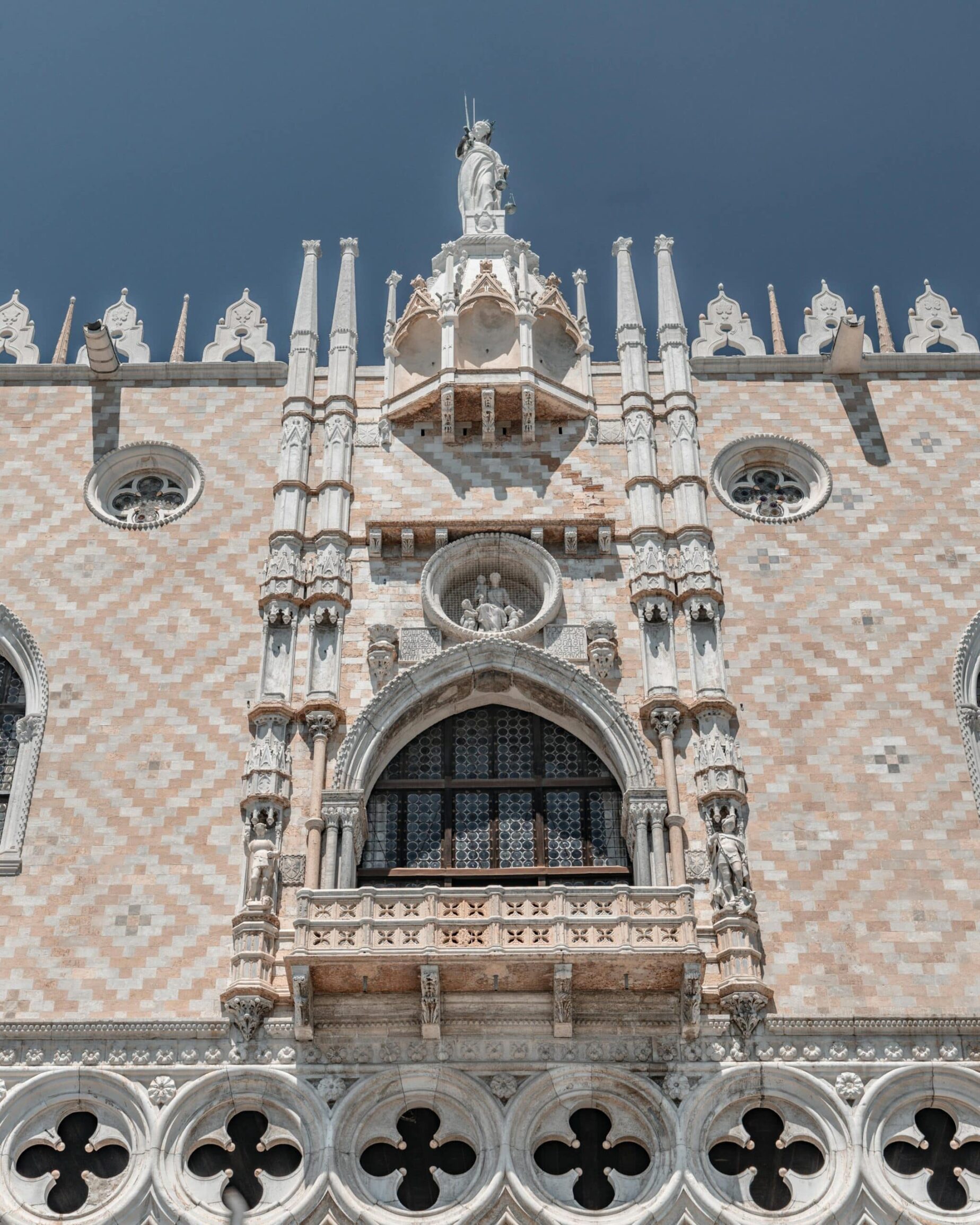
Unlike conventional museums, many Biennale venues are not neutral spaces. A former shipyard, a Renaissance courtyard, or a historic palace changes how an artwork is perceived. The setting becomes part of the meaning, reinforcing Venice’s long history as a crossroads of cultures and ideas.
Planning Your Visit to the Venice Biennale
The Biennale runs for several months, and its exhibitions evolve over time as installations are added, adjusted, or reinterpreted. Because of this fluidity, no two visits feel exactly the same.
Comfortable walking shoes are essential, as the experience involves moving between multiple venues across the city. Time for reflection is just as important as time spent viewing artworks, especially given the density of visual and conceptual information.
Many visitors find that spacing the experience across a full day allows for deeper engagement and prevents visual fatigue.
Frequently Asked Questions about the Venice Biennale
What is the Venice Biennale known for?
The Venice Biennale is known for being one of the most important international exhibitions of contemporary art, featuring national pavilions and curated thematic shows.
How long should you spend at the Biennale?
A full day allows for a meaningful overview of key highlights, though many visitors return multiple times during the exhibition period.
Is the Venice Biennale difficult to navigate?
Yes, independently navigating can be complex due to the number of venues and scale of the exhibitions. Context helps significantly.
When does the Venice Biennale take place?
The Biennale occurs every two years, typically opening in late spring and running through autumn.
A City That Thinks Through Art
The Venice Biennale is not simply an exhibition to be visited, but a cultural environment to be understood. Each edition captures a snapshot of global artistic thought, shaped by the voices of artists responding to the world around them.
For those willing to move beyond surface impressions, Venice reveals a deeper rhythm where history and experimentation coexist. Seen through the right lens, the Biennale becomes more than an event. It becomes a way of understanding how contemporary culture is being written in real time.
Experience the Venice Biennale with Artviva Insight
For travelers seeking a more meaningful way to engage with the Biennale, expert interpretation can transform the experience entirely. With thoughtful guidance, the most significant works and ideas come into focus, revealing connections that are easy to miss in such a vast and dynamic setting.
Artviva offers carefully curated cultural experiences across Venice and Italy designed to bring clarity, context, and depth to the world’s most important artistic moments.
Why Artviva
Experiencing the Venice Biennale with Artviva means moving beyond the scale and complexity of the exhibition to focus on what truly matters. With expert-led guidance, the experience is shaped around key works, curatorial themes, and meaningful context, helping you understand the Biennale as a coherent cultural conversation rather than an overwhelming collection of installations.
Artviva’s approach prioritizes depth over breadth, offering insight into how contemporary art interacts with Venice’s historic spaces and global artistic discourse. Each visit is carefully framed to reveal connections between works, artists, and ideas that are often easy to miss when exploring independently.
Learn more about the Venice Biennale Private Tour and book your experience.