Beyond the Masks: Discovering Venice’s Hidden Layers
Hidden Venice: What Lies Beyond the City of Masks
Venice has two layers: the famous postcard version and a quieter, more residential city of churches, courtyards, and neighborhood stories. The deeper layer is where Venice’s history becomes easier to understand, away from the busiest areas around St. Mark’s Square.
Why Venice Has a “Hidden” Side
Most visitors experience Venice through a small number of crowded routes. These include St. Mark’s Square, the Rialto Bridge, and the Grand Canal.
But Venice is made up of six districts, each with its own identity, churches, and social history.
When you step outside the main flow, the city changes in tone. It becomes more local, more reflective, and more connected to everyday Venetian life.
Castello and the Venice Most Visitors Miss
One of the best places to understand this quieter side is Castello, the largest district in Venice.
Here, streets are wider, tourists are fewer, and daily life feels more present.
You find:
- Residential courtyards
- Lesser-known churches
- Quiet squares used by locals
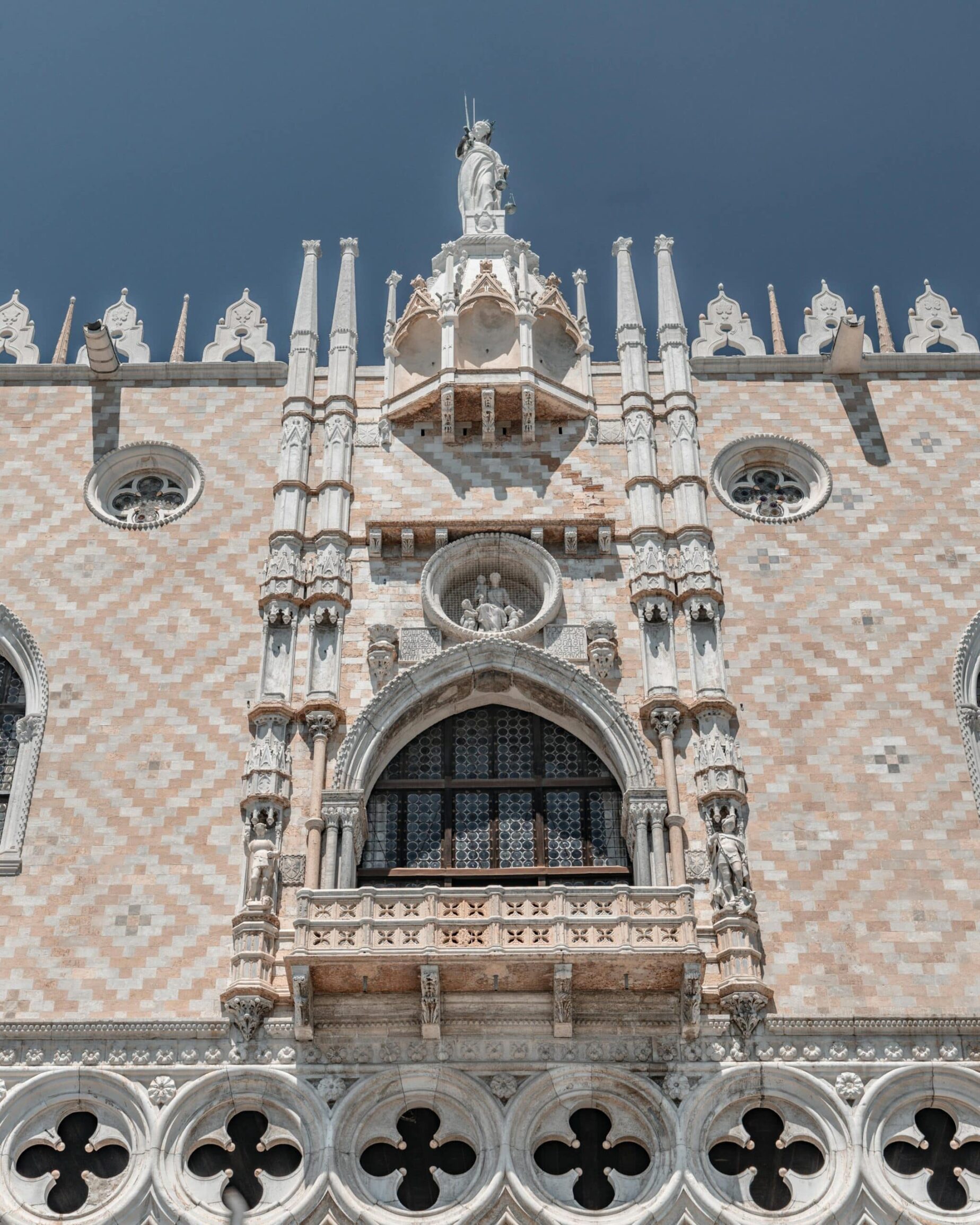
- Architectural details often missed in central Venice
This is where Venice feels less like a stage and more like a living city.
Churches That Tell a Different Story
Venice’s churches are not just religious spaces. They are also archives of art, politics, and social memory.
Two examples often associated with the quieter side of the city are:
San Giovanni e Paolo
One of Venice’s most important historic churches, traditionally linked with civic memory and burial traditions of major figures.
Santa Maria dei Miracoli
A smaller Renaissance church known for its detailed marble exterior and intimate interior space.
Together, they show how Venice expresses power and devotion in very different architectural styles.
Why This Side of Venice Matters
Understanding this quieter Venice changes how the city is perceived.
Instead of only seeing:
- Tourist density
- Iconic landmarks
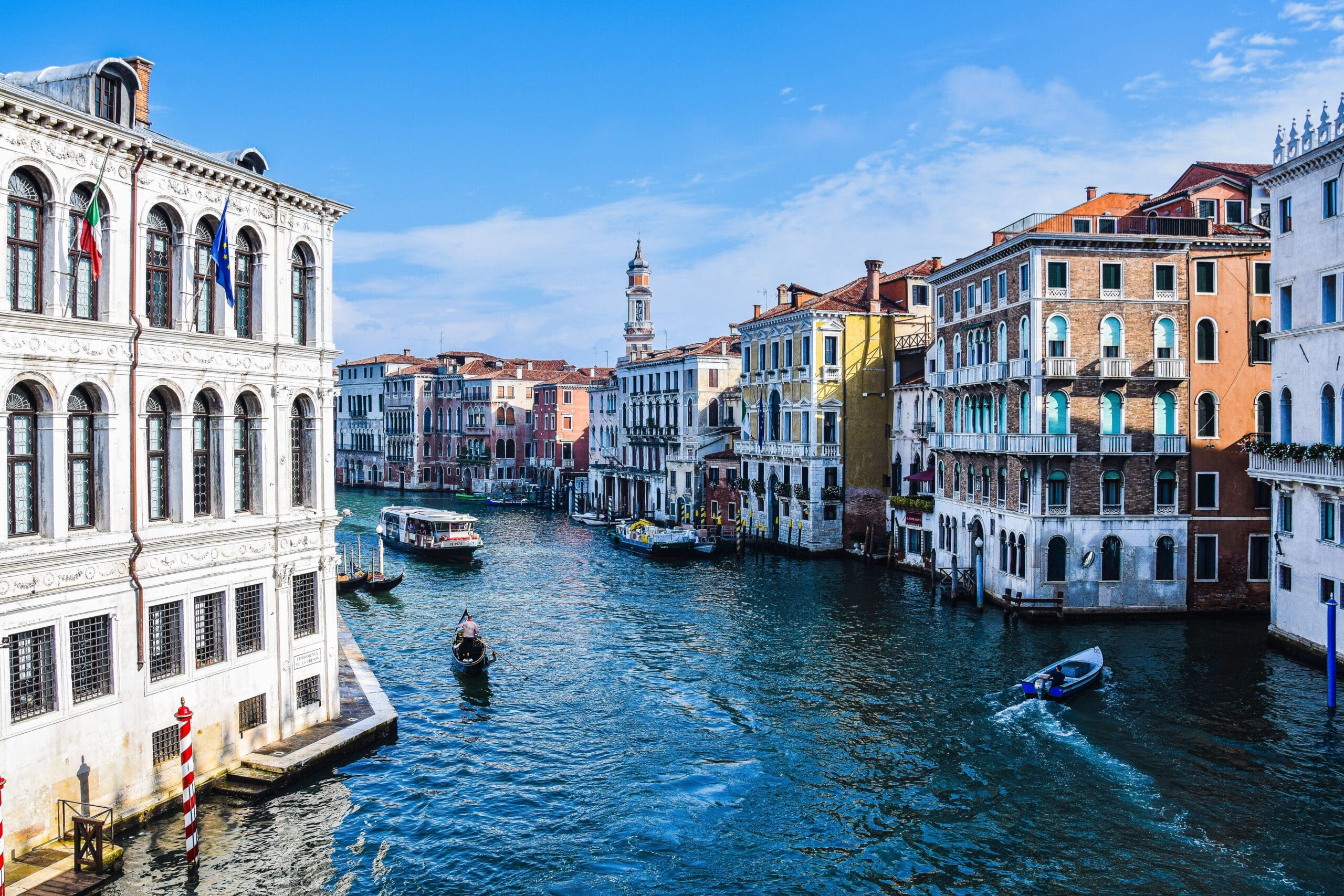
- Grand canal views
You begin to notice:
- How neighborhoods functioned historically
- How religion shaped civic identity
- How art was distributed beyond elite centers
- How daily life continues alongside tourism
This creates a more complete picture of Venice as a working city, not only a destination.
Local Expert Insight
Many visitors assume Venice is “small,” but that impression comes from only walking a few central areas.
Once you move into districts like Castello or Cannaregio, the scale of the city becomes clearer.
Venice is not one experience. It is a collection of micro-neighborhoods, each shaped by trade routes, guilds, and centuries of social structure.
History and Cultural Context
Venice developed as a maritime republic with extraordinary political and economic reach.
Its power was built on:
- Trade across the Mediterranean
- Naval infrastructure and shipbuilding
- Merchant families and guild systems
- Diplomatic networks across Europe
Over time, wealth concentrated around central ceremonial areas, while other districts maintained more residential and working-class identities.
Masks became a cultural symbol because they reflect a deeper Venetian idea: identity as something flexible within public life, especially during Carnival traditions.
What Most Visitors Miss
Many visitors focus on landmarks alone, without realizing that Venice’s structure is the real story.
What is often missed includes:
- The importance of district identity
- The role of small churches in civic life
- The relationship between trade and architecture
- The contrast between public spectacle and private neighborhoods
Once these layers are understood, Venice becomes more readable.
Frequently Asked Questions
Is there more to see in Venice beyond St. Mark’s Square?
Yes. Venice is made up of multiple districts, many of which are quieter and more residential.
What is Castello known for?
Castello is known for its historic churches, local atmosphere, and less crowded streets.
Are Venice’s hidden areas worth visiting?
Yes, especially for travelers interested in history, architecture, and a less crowded experience of the city.
Why is Venice called the City of Masks?
Because masks became a cultural symbol of anonymity, social mixing, and Carnival traditions.
Revealing Venice
Venice is often experienced through its most famous views, but its character is built in its quieter districts.
The deeper city is not separate from the famous one. It is what gives it context, balance, and meaning.
Understanding both layers changes how Venice is remembered long after the visit. Reveal Venice with this ArtViva experience.
Discover the stories, neighborhoods, and traditions that exist beyond Venice’s famous landmarks with Artviva’s Magnificent ‘City of Masks’ – An Unusual Tour a journey into the quieter districts and cultural layers that reveal the true character of the Venetian city.