
Venice’s Last Gold Beater: Inside the Battiloro Workshop Where Gold Becomes Light
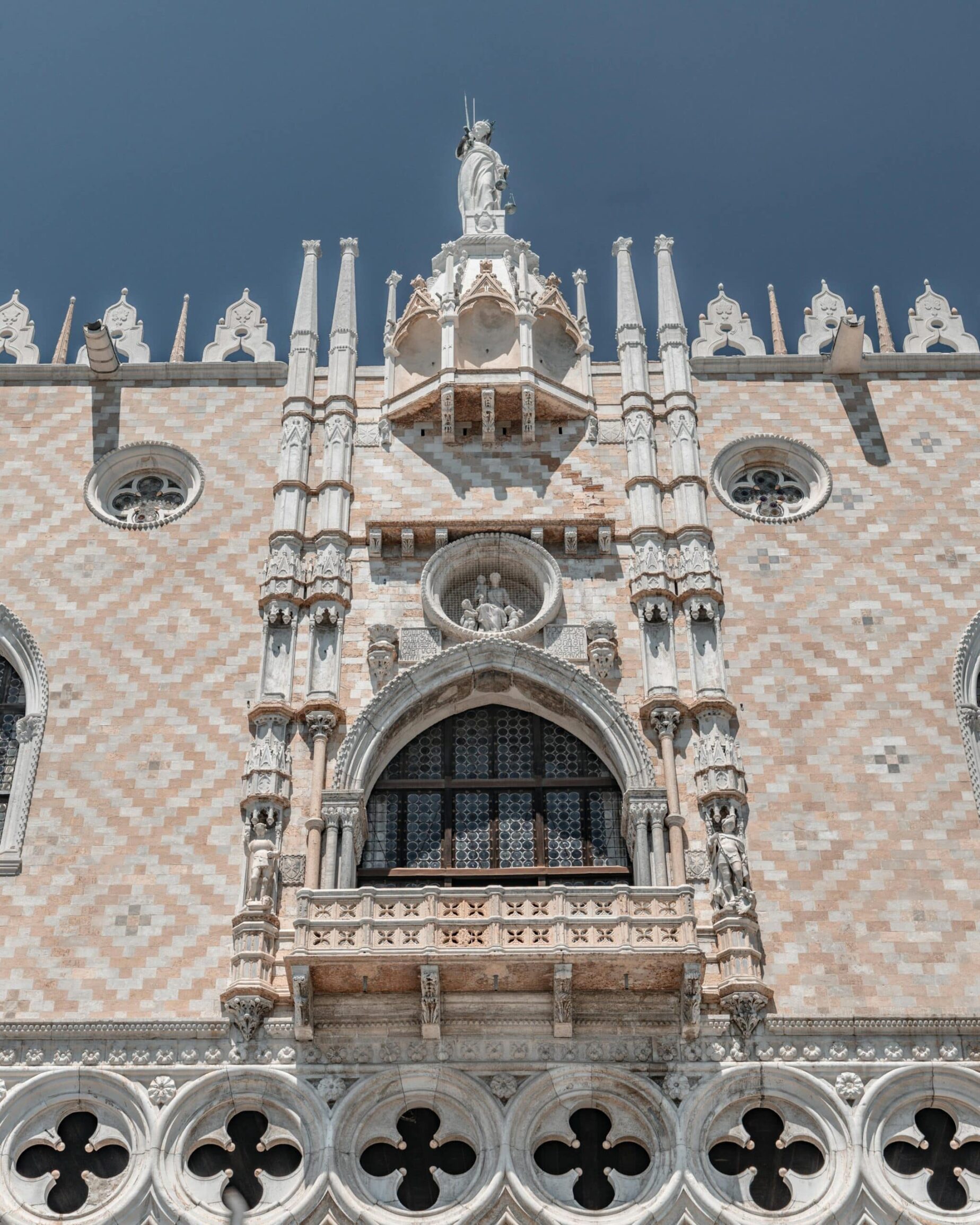
In Venice, craftsmanship has never been separate from identity. It is built into the fabric of the city, from the gilded domes of churches to the delicate frames of Renaissance paintings that still hang in silence across dimly lit palaces.
Yet few visitors ever realize that behind this golden surface lies a living craft still practiced in its most ancient form. Hidden within the quieter lanes of the city, far from the main flow of visitors, a workshop continues one of Venice’s most delicate traditions: the transformation of solid gold into sheets so thin they seem to dissolve into air.
This is the world of the Battiloro, the gold beater.
And what most travelers never realize is that this craft is not a reconstruction of history. It is history still unfolding.
The History of Gold Beating in Venice
Venice’s relationship with gold has always been both practical and symbolic.
During the height of the Venetian Republic, gold was not only a material of wealth but a language of power and spirituality. It reflected light in churches, elevated religious imagery, and enhanced the grandeur of palaces that lined the Grand Canal.
But gold leaf was never simply applied. It was created through extraordinary craftsmanship.
Gold beating emerged as one of the most specialized trades in Venice’s artisan economy. Families dedicated generations to mastering the rhythm of hammer, metal, and precision. The process required patience measured not in hours, but in discipline passed from hand to hand across centuries.
Local experts often point out that this craft shaped more than art. It shaped perception. Venetian painters, architects, and restorers relied on gold beaters to achieve effects of light that defined the visual identity of the city itself.
What most visitors never realize is that without this craft, much of Venice’s artistic heritage would not exist in its current form.
The deeper story lies in this invisible collaboration between material and maker.
Inside a Renaissance Legacy Still Alive Today
The Battiloro workshop is not simply a place of production. It is part of a lineage that connects contemporary Venice directly to its Renaissance past.
The building itself carries historical significance, once associated with the artistic world of Titian, one of Italy’s most influential painters. Within these walls, the continuity between art and craft becomes tangible rather than theoretical.
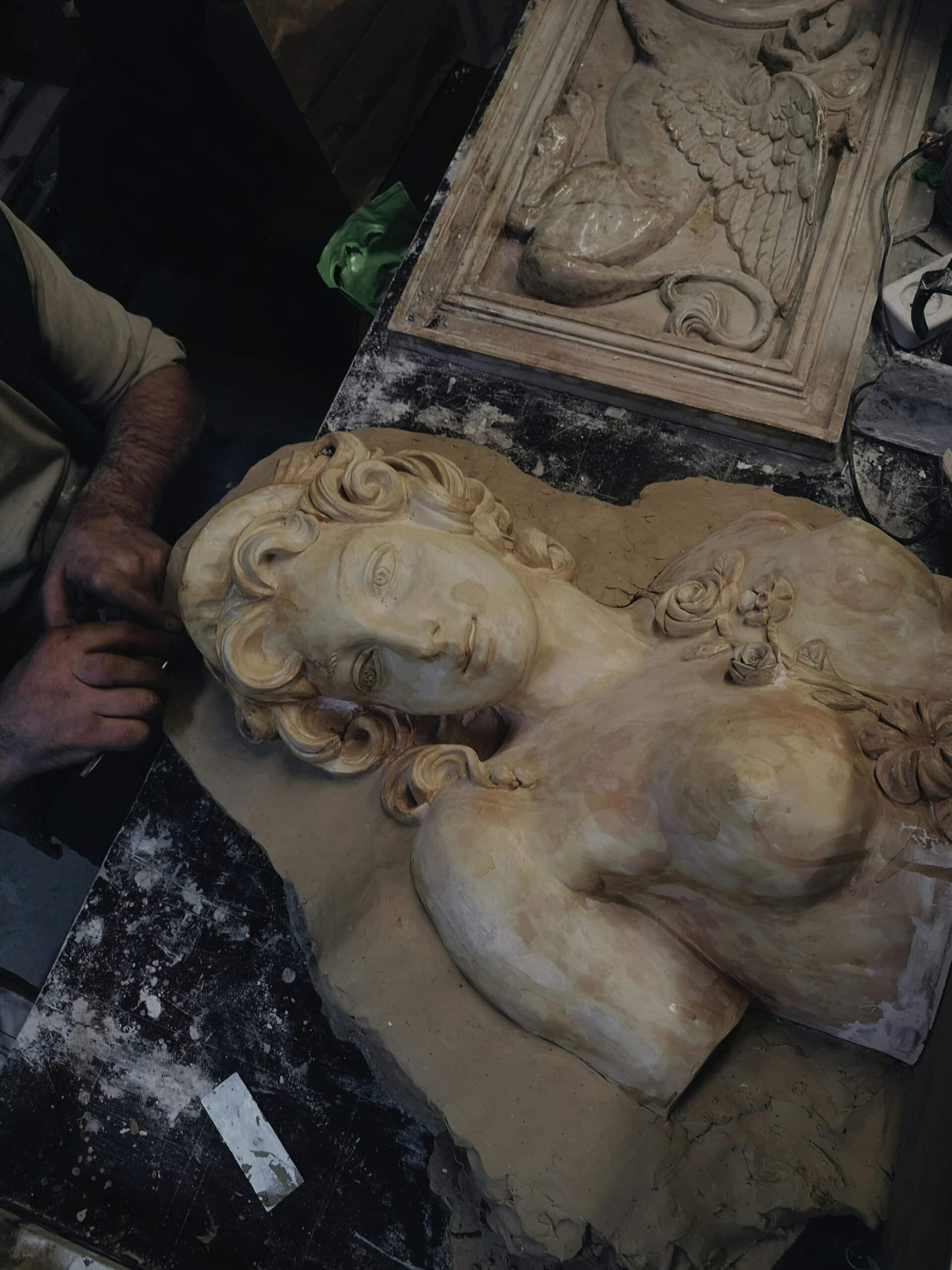
Here, the sound of hammering gold is not industrial. It is rhythmic, controlled, and surprisingly quiet. Sheets of gold are repeatedly folded and beaten until they reach a state so delicate they respond to the slightest movement of air.
This process has changed little since the Renaissance. Tools remain largely traditional. Techniques rely on inherited gestures rather than modern machinery.
The experience takes on new meaning when viewed through this continuity. It becomes clear that Venice’s artistic legacy was never the result of individual genius alone, but of entire networks of specialized craft working in harmony.
Why This Craft Still Matters Today
In a world defined by speed and automation, the Battiloro tradition feels almost out of place. Yet its survival is precisely what makes it significant.
Gold leaf remains essential in restoration projects across Venice and beyond. From architectural conservation to fine art preservation, these ultra-thin sheets continue to play a critical role in maintaining Europe’s cultural heritage.
Many visitors overlook the fact that without artisans like the gold beater, much of what is admired in Venice would gradually fade.
The craft also represents a broader cultural principle. It reminds us that beauty is not created instantly. It is formed through repetition, patience, and accumulated knowledge.
That philosophy still defines much of Venetian artistry today.
Venice and Its Golden Identity
To understand gold beating in Venice is to understand the city’s visual identity.
Venice has always been a city of reflection. Water, light, and material interact constantly, shaping how buildings are seen and experienced. Gold amplifies this relationship, capturing sunlight and transforming it into something almost immaterial.
This is why gold appears so frequently in Venetian religious art and architecture. It is not decorative excess. It is optical necessity within a city built on shifting light.
Local historians often note that Venice developed a unique sensitivity to luminosity. Gold leaf became one of the most effective ways to express that sensitivity in physical form.
The Battiloro workshop continues this tradition, supplying materials that allow Venice’s artistic heritage to remain visible in its original language.
What Defines True Artisan Craft in Venice
Authentic craftsmanship in Venice is not defined by appearance alone. It is defined by process.
Gold beating requires repeated transformation, where solid material is gradually refined into something almost weightless. Each stage demands precision, control, and a deep understanding of how matter behaves under pressure.
This is not a decorative art. It is a technical discipline that exists at the intersection of physics, material science, and tradition.
What makes it particularly significant today is its rarity. Few practitioners in Europe still maintain this level of manual expertise.
As industries move toward mechanization, the Battiloro workshop represents a counterpoint. It preserves a form of knowledge that cannot be replicated by machines alone.
Local Insight: What Visitors Often Miss
One of the most overlooked aspects of Venetian craftsmanship is how interconnected it is.
Gold leaf does not exist in isolation. It moves through restoration studios, religious institutions, and artistic workshops across the city. It becomes part of something larger than itself.
Local experts often point out that understanding Venice requires seeing these hidden connections. The city’s beauty is not contained in individual monuments, but in the relationships between materials, makers, and memory.
This perspective changes how Venice is experienced. It shifts attention away from surface impressions and toward the systems that sustain them.
Practical Context for Travelers Interested in Venetian Craft Traditions
Venice rewards curiosity that goes beyond landmarks.
Travelers who take time to understand artisan traditions often find a deeper connection to the city’s cultural identity. Rather than viewing Venice as a collection of sights, it becomes a living network of skills and stories.
Experiences centered around craftsmanship are best approached with time and openness rather than expectation. They reveal themselves gradually, through observation and conversation rather than spectacle.
Comfortable pacing allows for a more meaningful understanding of what these traditions represent within Venetian life.
Seasonal Perspective for Venice’s Artisan Culture
Venice’s artisan culture exists throughout the year, but its atmosphere shifts with the seasons.
In quieter months, workshops feel more intimate and reflective, allowing greater focus on detail and conversation. During warmer periods, the city becomes more vibrant, and artisan spaces offer a calm contrast to the energy of the streets.
Each season reveals a different side of the same craft tradition, shaped by light, pace, and rhythm.
Frequently Asked Questions about Venice’s Artisan Culture
What is a gold beater in Venice?
A gold beater is an artisan who transforms gold ingots into extremely thin sheets known as gold leaf using traditional hammering techniques.
Is gold beating still practiced in Venice today?
Yes. A small number of workshops in Venice continue to practice traditional gold beating by hand, preserving centuries-old techniques.
Why is gold leaf important in Venice?
Gold leaf is used in art restoration, religious decoration, and architectural preservation throughout Venice, helping maintain the city’s historic appearance.
How old is the gold beating tradition?
The tradition dates back to the Renaissance period, when Venice was a major center of trade and artistic production.
Can visitors learn about Venetian gold craftsmanship?
Yes, through curated cultural experiences that provide insight into the artisan traditions that continue to shape the city today.
Experience Venice Through Its Living Craft Traditions with Artviva
Venice reveals its deepest stories not through landmarks alone, but through the people who continue to shape its cultural identity.
For nearly three decades, Artviva has worked closely with Italy’s artisans, historians, and cultural specialists to create meaningful encounters that go beyond surface-level tourism. Our focus has always been on access to living traditions rather than static interpretation.
In Venice, this approach becomes especially important. Many of the city’s most significant crafts exist quietly, sustained by individuals who have dedicated their lives to preserving them.
Artviva’s role is to provide thoughtful access to these worlds, ensuring that travelers can understand not only what they are seeing, but why it continues to matter.
Why Artviva Is Exceptionally Qualified
Since 1996, Artviva has developed long-standing relationships with artisan communities across Italy, including Venice’s most respected craft specialists. These connections are built on trust, continuity, and deep cultural respect rather than short-term collaboration.
Our team includes experienced cultural guides and researchers who understand both the historical and contemporary significance of Italy’s artisan traditions. This allows us to present experiences with accuracy, context, and sensitivity.
Over time, this work has positioned Artviva as a bridge between travelers and Italy’s living cultural heritage. We do not simply present places. We interpret them through the people who sustain them.
This distinction is what allows our guests to engage with Venice in a more informed and meaningful way.
Experience Private Visit of the Last Gold Beater of Venice – Battiloro Artisan Workshop through rare access to a living Venetian tradition, where ancient skills reveal the artistry and precision behind the city’s golden legacy.