
Visiting the Vatican: Discover the Art, History, and Legacy of Rome’s Most Remarkable Landmark
Few places combine art, history, architecture, and faith quite like the Vatican. Within the smallest independent country in the world are masterpieces that have shaped Western civilization, from Michelangelo’s breathtaking frescoes to the soaring dome of St. Peter’s Basilica. For many travelers, a visit to the Vatican becomes the defining experience of their time in Rome.
Yet the Vatican is far more than a collection of famous attractions. It tells the story of centuries of artistic patronage, political influence, and religious tradition. Every gallery, sculpture, and chapel reflects the ambitions of the artists and popes who transformed this small corner of Rome into one of the world’s most significant cultural destinations.
Quick Answer
The Vatican is home to the Vatican Museums, the Sistine Chapel, and St. Peter’s Basilica, making it one of the world’s most important cultural and religious sites. Visitors experience masterpieces by Michelangelo, Raphael, and Bernini while exploring centuries of history, Renaissance art, and Catholic tradition in a single visit.
Why the Vatican Is Unlike Anywhere Else
Although surrounded by Rome, Vatican City is an independent sovereign state with a history that reaches far beyond its modest size. For centuries, it has served as the spiritual center of the Catholic Church while also becoming one of the greatest patrons of art and architecture in history.
Popes commissioned many of Europe’s most celebrated artists to decorate churches, chapels, and museums, creating collections that continue to inspire millions of visitors every year.
What most travelers never realize is that the Vatican was never intended to function simply as a museum. Its artworks were created to express faith, inspire reflection, and communicate ideas through beauty, making every room part of a much larger story.
A Journey Through the Vatican Museums
The Vatican Museums contain one of the world’s most remarkable collections of art, with galleries that span thousands of years of history.
Visitors often arrive focused on reaching the Sistine Chapel, yet the journey itself reveals masterpieces that deserve equal attention. Ancient Roman sculptures, Renaissance paintings, elaborate tapestries, and beautifully decorated galleries each contribute to an extraordinary cultural experience.
The Gallery of Maps offers an impressive view of sixteenth-century Italy through detailed painted maps, while the Raphael Rooms showcase some of the Renaissance’s greatest frescoes. Together, these spaces provide valuable context before visitors reach Michelangelo’s most famous work.
Many visitors overlook these galleries in their excitement to reach the Sistine Chapel, but local experts often consider them essential to understanding the artistic achievements that follow.
The Sistine Chapel and Michelangelo’s Vision
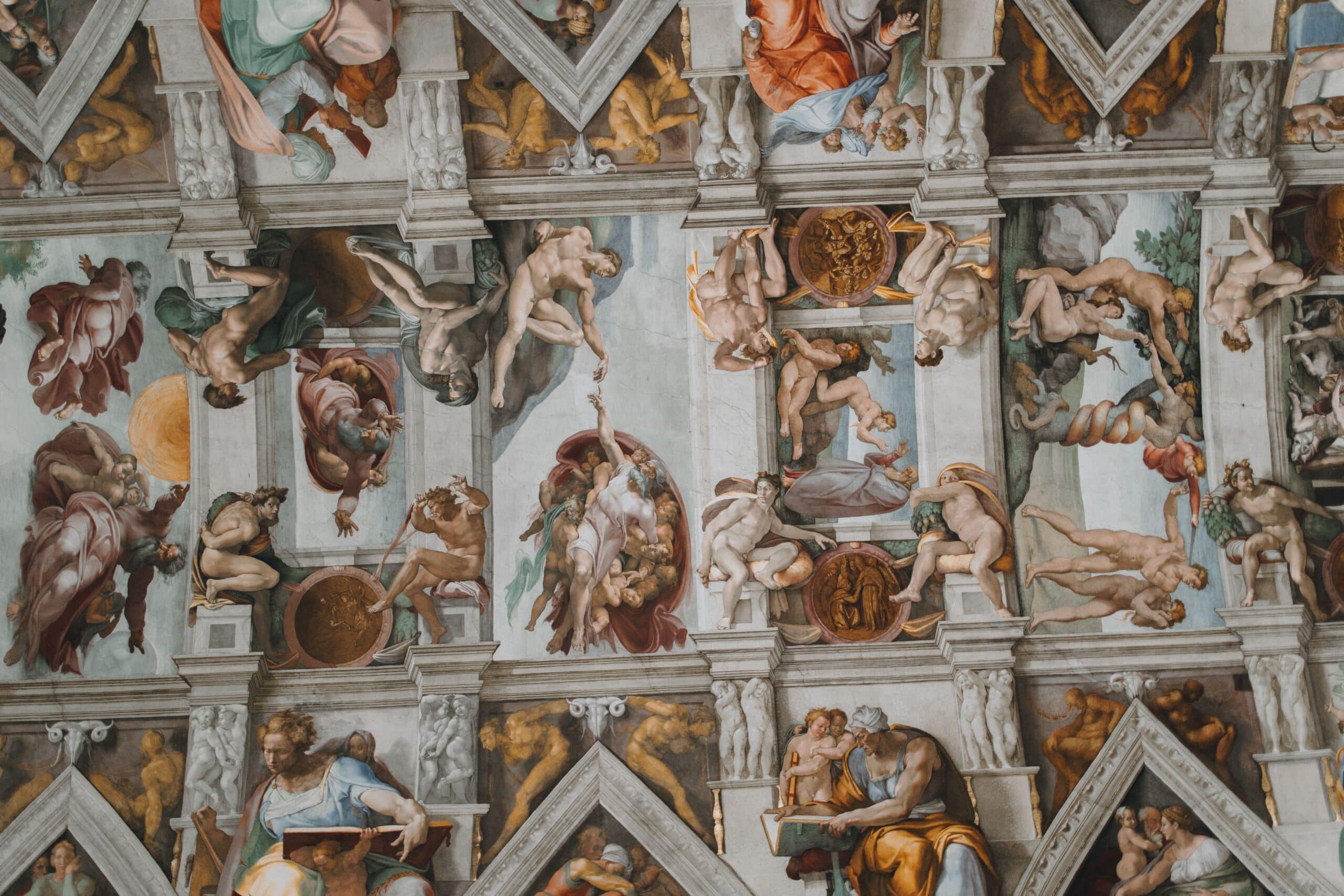
No photograph truly prepares visitors for their first view of the Sistine Chapel.
Michelangelo’s ceiling transforms biblical stories into a monumental work of art filled with movement, emotion, and extraordinary technical skill. The iconic image of the Creation of Adam has become one of the most recognizable paintings in history, yet it represents only one small part of the remarkable ceiling.
Years later, Michelangelo returned to create The Last Judgment, adding another masterpiece that continues to inspire artists and visitors from around the world.
Standing beneath these frescoes offers more than an opportunity to admire exceptional artwork. It provides a glimpse into the ambition, creativity, and human achievement that defined the High Renaissance.
St. Peter’s Basilica
Leaving the museums, visitors arrive at one of the most extraordinary churches ever built.
St. Peter’s Basilica combines architecture, sculpture, and engineering on a scale that is difficult to imagine until experienced in person. Designed over generations by some of the Renaissance’s greatest minds, including Michelangelo and Bernini, the basilica reflects centuries of artistic collaboration.
Inside, Michelangelo’s Pietà remains one of the most admired sculptures in the world, while Bernini’s monumental bronze baldachin creates a dramatic focal point beneath the soaring dome.
The deeper story lies not simply in the size of the building but in its role as both a place of worship and a symbol of artistic achievement.
Why the Vatican Still Matters Today
The Vatican continues to attract millions of visitors each year because it speaks to many different interests at once.
Art lovers admire the masterpieces created by Renaissance geniuses. History enthusiasts explore centuries of political and religious influence. Architects study remarkable engineering achievements, while many visitors simply seek a deeper understanding of one of the world’s most influential cultural institutions.
Its significance extends well beyond religion. The Vatican preserves works that have shaped global art, literature, philosophy, and history for generations.
Experience It Firsthand
Reading about the Vatican provides valuable background, but experiencing these remarkable spaces alongside knowledgeable local guides offers a much richer understanding of their history and meaning.
Artviva’s Vatican, St. Peter’s Basilica & Sistine Chapel Experience helps travelers connect the masterpieces, architecture, and stories that define Vatican City. Rather than simply moving through famous landmarks, visitors gain insight into the artists, historical events, and cultural traditions that continue to shape one of the world’s most extraordinary destinations.
Learn more about the experience here:
Vatican, St. Peter’s & Sistine Chapel Private Tour – Rome
Expert interpretation transforms a visit into something far more memorable, revealing details and connections that many independent visitors would otherwise miss.
A Local Expert Tip
Many visitors focus almost entirely on the Sistine Chapel, but some of the Vatican Museums’ quieter galleries are equally rewarding. Taking time to appreciate the works leading to Michelangelo’s masterpiece creates a much richer understanding of Renaissance art and the extraordinary collection preserved within Vatican City.
Arriving early in the day also allows for a more comfortable experience before visitor numbers reach their peak.
Practical Travel Advice
The Vatican is rewarding throughout the year, although spring and autumn often provide the most comfortable conditions for exploring Rome. Advance reservations are strongly recommended, particularly during peak travel seasons.
Comfortable shoes are essential, as visitors spend several hours walking through galleries and large open spaces. Because the Vatican remains an active religious site, respectful clothing that covers shoulders and knees is required for entry.
Allow enough time to experience the museums without rushing. The Vatican rewards curiosity and careful observation far more than speed.
Frequently Asked Questions
How much time should I spend at the Vatican?
Most visitors benefit from allowing at least four to five hours to explore the Vatican Museums, Sistine Chapel, and St. Peter’s Basilica.
Is the Sistine Chapel inside St. Peter’s Basilica?
No. The Sistine Chapel is located within the Vatican Museums and is visited before entering St. Peter’s Basilica.
Why is the Vatican so famous?
The Vatican combines extraordinary artistic masterpieces, remarkable architecture, centuries of history, and its role as the spiritual center of the Catholic Church.
Can I visit the Vatican if I’m not religious?
Absolutely. Many visitors come to appreciate its art, architecture, history, and cultural significance regardless of their religious background.
When is the best time to visit?
Spring and autumn generally offer the most pleasant weather, although early morning visits are recommended throughout the year to enjoy a quieter atmosphere.
Experience the Vatican Beyond Its Masterpieces
The Vatican is remembered not only for its famous works of art but also for the stories that connect them. Every gallery, sculpture, and chapel reflects centuries of creativity, faith, and human ambition that continue to inspire visitors from around the world.
Taking time to understand these connections transforms a visit from a checklist of famous landmarks into a meaningful journey through one of history’s greatest artistic achievements.
For travelers who want to explore the Vatican with deeper historical and cultural insight, Artviva’s Vatican, St. Peter’s Basilica & Sistine Chapel Experience offers an engaging opportunity to discover one of Rome’s most remarkable places with knowledgeable local experts.
Learn more or reserve your experience here: