
Walk Through Rome’s Historic Center: Discover the Stories Behind the Eternal City
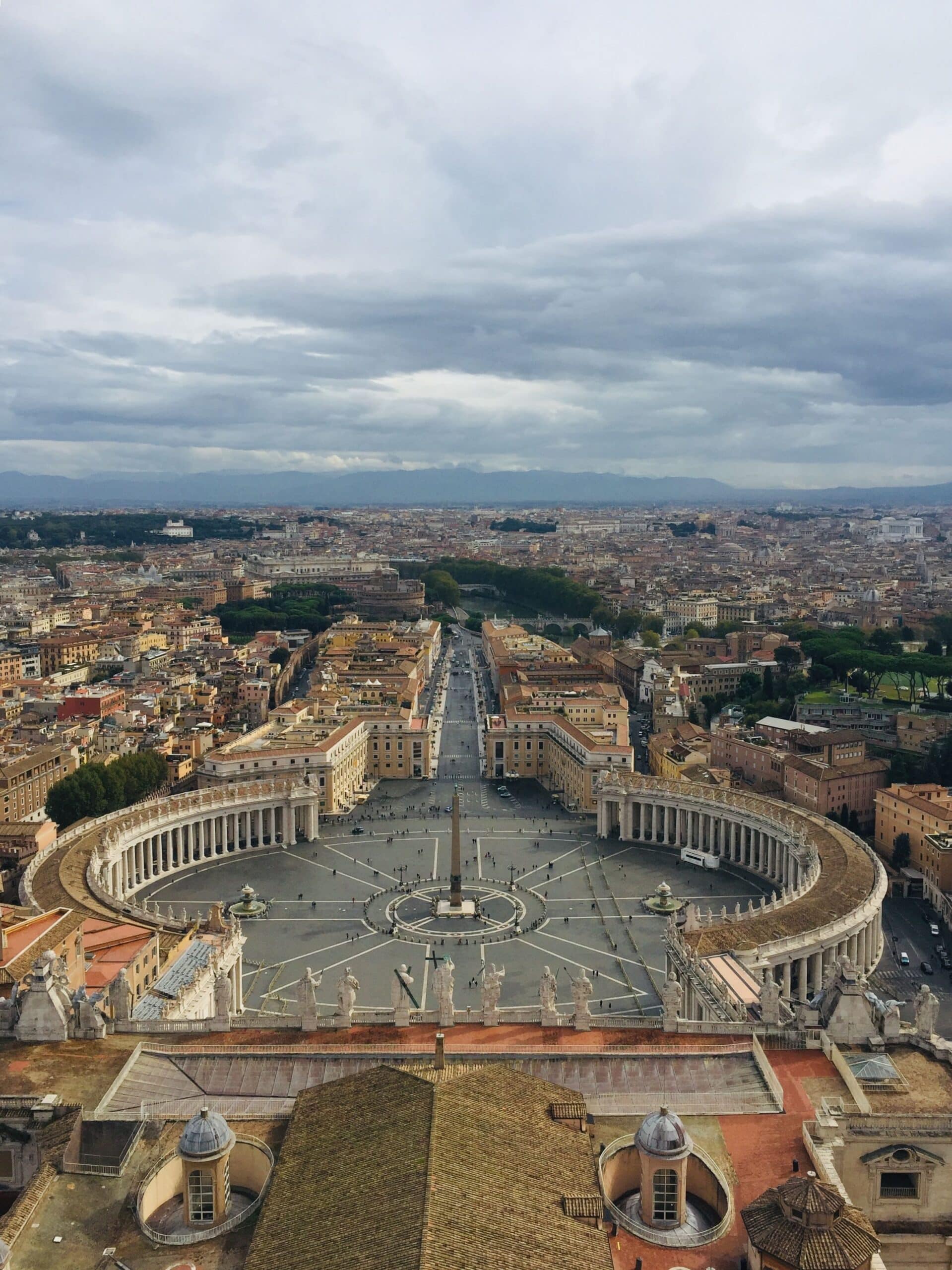
Rome has a way of slowing travelers down. Around almost every corner, ancient ruins stand beside lively cafés, Renaissance churches overlook busy piazzas, and everyday life unfolds among monuments that have witnessed more than two thousand years of history.
Many visitors arrive with a checklist of famous landmarks, yet Rome is best understood through the streets that connect them. Walking through the historic center reveals how the city evolved across centuries, blending the ancient world with medieval neighborhoods, Renaissance masterpieces, and modern Roman life.
A thoughtful walk through Rome offers more than sightseeing. It provides the context that transforms remarkable monuments into a living story.
Quick Answer
A private walking experience through Rome’s historic center allows visitors to explore the city’s most significant landmarks while understanding the history, architecture, and daily life that connect them. Guided by local expertise, travelers gain a deeper appreciation for how Rome has evolved over more than two millennia.
Why Rome Is Best Experienced on Foot
Rome was never designed to be viewed through the window of a vehicle. Its narrow streets, lively squares, and hidden courtyards reward curiosity, inviting visitors to slow down and notice the details that often disappear in faster forms of travel.
Walking reveals how different periods of history coexist within the same neighborhood. Ancient columns support Renaissance buildings. Medieval alleyways open into grand Baroque piazzas. Small fountains continue serving the same streets they once supplied centuries ago.
What most travelers never realize is that Rome tells its story gradually. Every street leads to another layer of history waiting to be discovered.
A City Built Across Centuries
Unlike many historic cities that rebuilt after periods of change, Rome absorbed its past into everyday life. Each generation adapted what already existed, creating a city where history remains visible rather than hidden.
Ancient roads still guide modern walking routes. Churches stand upon earlier Roman foundations, while Renaissance palaces incorporate stones taken from classical monuments.
This remarkable continuity allows visitors to experience more than two thousand years of history within a relatively compact area, making Rome feel less like an open-air museum and more like a living archive.
Beyond the Famous Landmarks
The Colosseum, Pantheon, and Piazza Navona rightly attract visitors from around the world, but the spaces between these landmarks often reveal just as much about Rome’s character.
Small side streets preserve traces of medieval neighborhoods. Quiet piazzas offer glimpses into daily Roman life, while overlooked architectural details tell stories of emperors, artists, merchants, and popes who shaped the city over centuries.
Local experts often point out features that many visitors pass without noticing, from fragments of ancient marble embedded in building walls to symbols carved above old doorways that hint at forgotten trades and family histories.
The deeper story lies not only in Rome’s famous monuments but in the connections that unite them.
Why Context Changes Everything
Standing before an ancient ruin is impressive. Understanding why it was built, how it transformed over time, and how later generations adapted it creates a completely different experience.
Rome rewards interpretation as much as observation. Political history, religious traditions, architecture, and daily life intersect throughout the city, making even seemingly ordinary streets part of a much larger narrative.
Many travelers leave Rome remembering individual landmarks. Those who understand the connections between them often leave with a much richer appreciation for the Eternal City.
Experience It Firsthand
Reading about Rome offers valuable background, but exploring the city alongside knowledgeable local guides provides a far deeper understanding of its remarkable history.
Artviva’s Original Rome Walk Experience introduces travelers to the people, places, and historical events that continue to shape Rome today. Rather than simply moving between famous attractions, visitors gain insight into how ancient, medieval, Renaissance, and modern Rome remain woven together throughout the historic center.
Learn more about the experience here:
Original Rome Walk: Private Rome Tour
Thoughtful interpretation helps transform a walk through Rome into an engaging journey through one of the world’s most influential cities.
A Local Expert Tip
Rome rewards those who occasionally step away from its busiest landmarks.
Take time to notice the smaller details around you. A quiet courtyard, a centuries-old fountain, or a weathered stone inscription often reveals just as much about the city’s history as its most famous monuments.
Some of Rome’s most memorable discoveries happen between the attractions rather than at them.
Practical Travel Advice
Rome’s historic center can be explored throughout the year, although spring and autumn generally provide the most comfortable weather for walking. Early mornings and late afternoons often offer softer light, making both sightseeing and photography especially enjoyable.
Comfortable walking shoes are essential, as many streets remain paved with historic stone. Carrying water during warmer months is also recommended, particularly when exploring for several hours.
Rather than trying to see everything in one day, allow yourself time to appreciate the city’s slower rhythm and remarkable layers of history.
Frequently Asked Questions
Is Rome best explored on foot?
Yes. Walking allows visitors to appreciate the city’s architecture, neighborhoods, and historical connections in ways that other forms of transportation cannot.
How long should a walking experience last?
Most visitors find that several hours provides enough time to explore Rome’s historic center while enjoying meaningful historical context along the way.
Can I understand Rome’s history in one walk?
No single walk can cover every chapter of Rome’s history, but a thoughtfully guided experience provides an excellent foundation for understanding the city’s development across more than two thousand years.
When is the best time to walk through Rome?
Spring and autumn are particularly pleasant, although Rome offers rewarding walking experiences throughout the year.
Why choose a private walking experience?
Private experiences allow visitors to explore at a comfortable pace while focusing on the aspects of Rome that interest them most, whether history, architecture, art, or daily life.
Discover Rome One Street at a Time
Rome is a city that rewards patience. Every square, monument, and quiet alley reflects centuries of history layered upon one another, creating an urban landscape unlike any other in the world.
Walking through the Eternal City offers more than a chance to admire famous landmarks. It allows visitors to understand how Rome’s past continues to shape its present, turning ordinary streets into extraordinary stories.
For travelers seeking a deeper understanding of Rome beyond its iconic attractions, Artviva’s Original Rome Walk Experience offers an engaging opportunity to explore the city’s history, architecture, and culture with knowledgeable local experts.
Learn more or reserve your experience here: