
Why Florence Is Best Discovered on Foot
There are cities built for cars, cities designed around public transportation, and then there is Florence. The cradle of the Renaissance rewards those who slow their pace and explore one street, piazza, and hidden passage at a time. Within its compact historic center, centuries of history unfold naturally beneath your feet. A cathedral appears at the end of a medieval lane. A Renaissance palace rises beside a bustling café. A quiet artisan workshop sits only steps away from one of the world’s most celebrated museums.
Walking through Florence offers something no map can fully explain. The city’s beauty lies not only in its famous landmarks, but also in the rhythm of daily life that continues much as it has for generations. Every turn reveals another layer of history, making Florence one of Europe’s most rewarding cities to experience on foot.
Why Florence Was Built for Walking
Unlike many modern cities, Florence developed long before automobiles existed. Its narrow streets, intimate piazzas, and pedestrian-friendly neighborhoods were designed for merchants, craftsmen, artists, and local residents moving through the city on foot.
Today, the historic center remains remarkably walkable. Many of Florence’s most celebrated landmarks are located within a relatively small area, allowing visitors to experience extraordinary architecture, world-renowned art, and vibrant local culture without constantly relying on transportation.
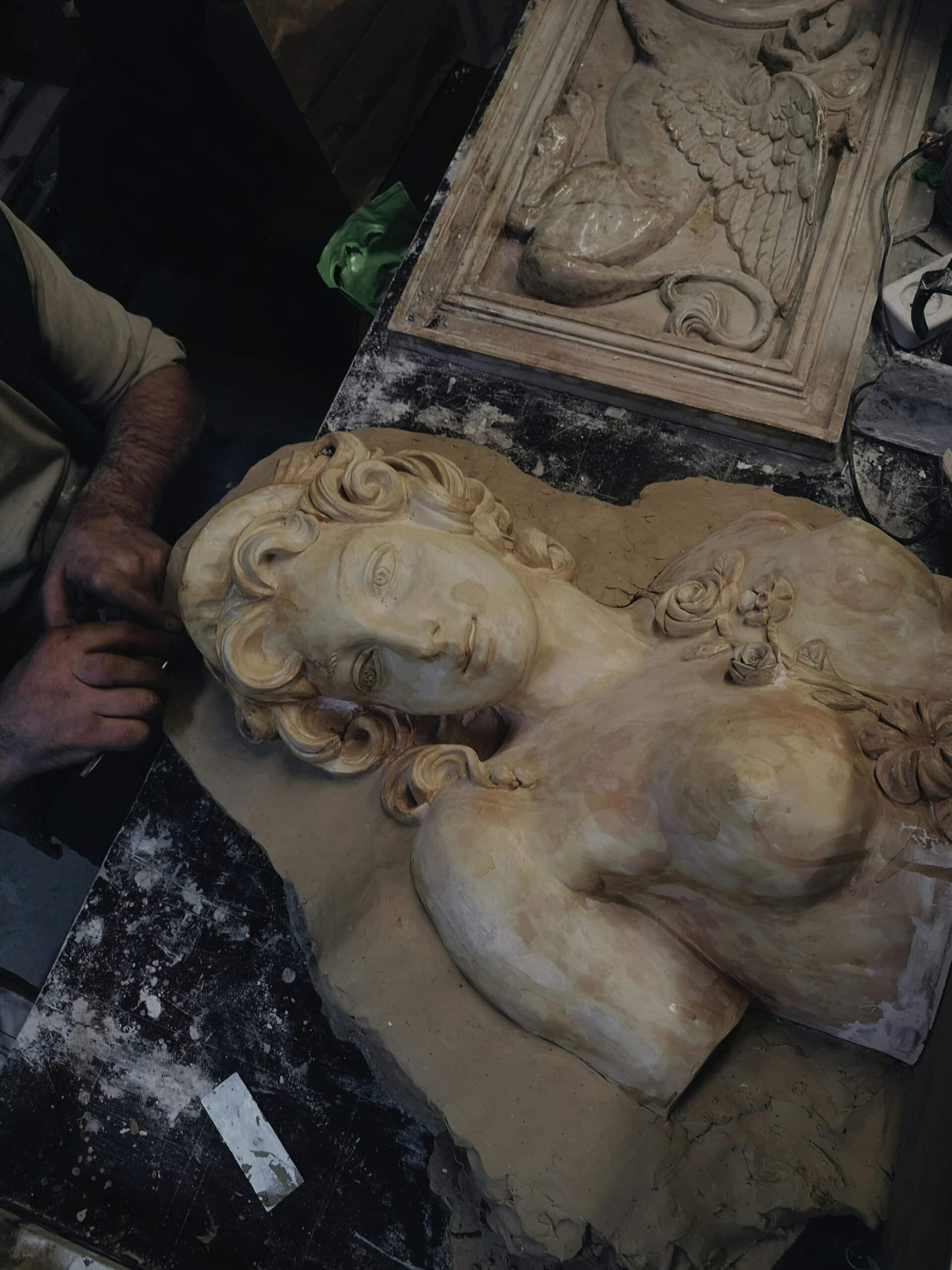
Walking also creates opportunities to notice details that often go unseen. Carved family crests above centuries-old doorways, religious shrines tucked into quiet corners, and artisan workshops carrying on traditions passed down through generations all become part of the journey.
The Historic Center: A Living Renaissance Masterpiece
Florence’s historic center, recognized as a UNESCO World Heritage Site, feels remarkably unchanged despite the passing of centuries.
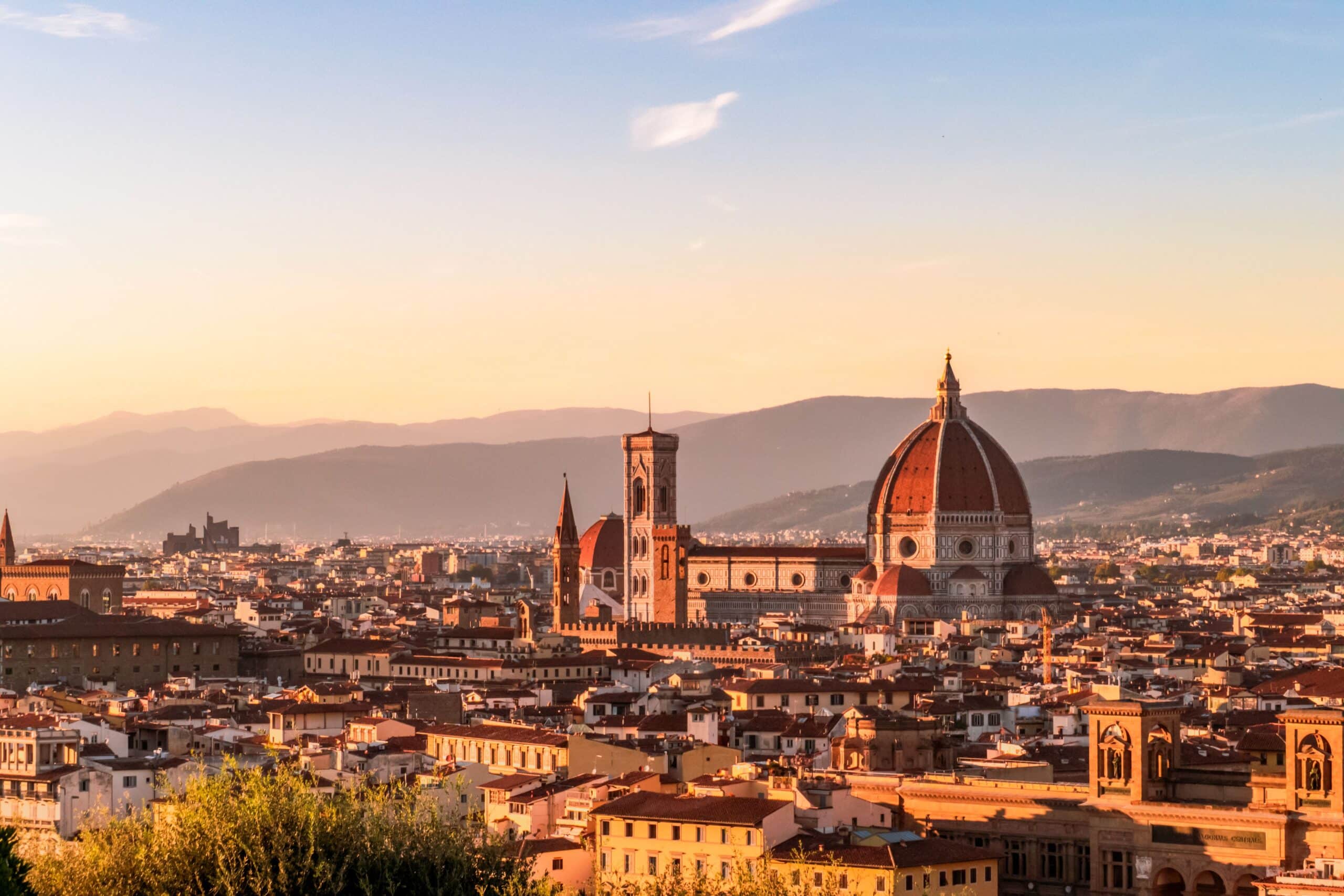
The city’s streets follow patterns established during the Middle Ages, while magnificent Renaissance buildings continue to define its skyline. Rather than existing as a collection of monuments, Florence functions as a living city where history remains woven into everyday life.
Morning deliveries pass beneath Gothic towers. University students gather beside churches built over 700 years ago. Local families shop in markets that have served Florentines for centuries.
This remarkable continuity gives Florence a character unlike almost anywhere else in Europe.
Walking Between Florence’s Iconic Landmarks
One of Florence’s greatest pleasures is how naturally its landmarks connect with one another.
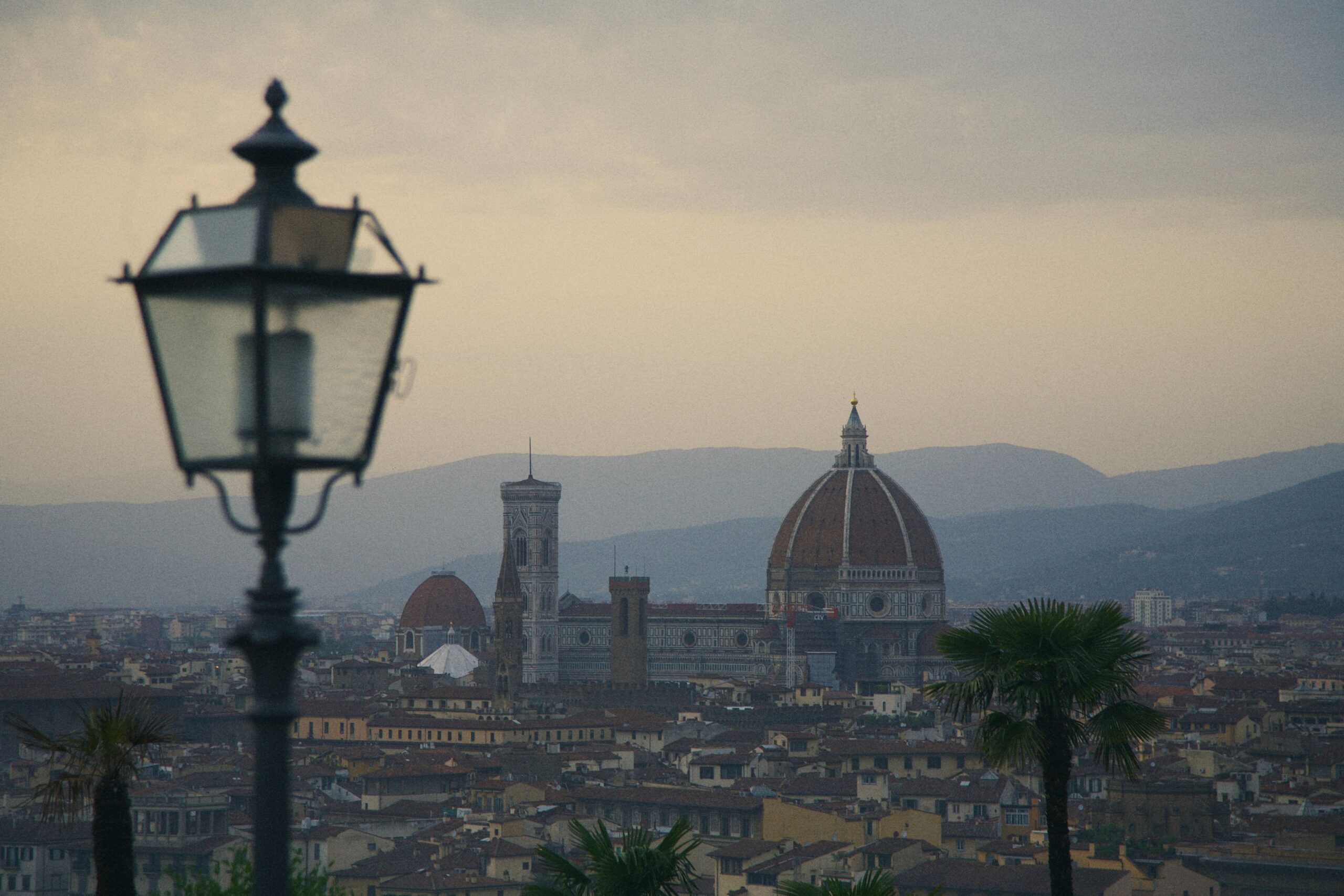
The magnificent Cathedral of Santa Maria del Fiore dominates the skyline, its famous dome standing as one of Brunelleschi’s greatest engineering achievements. A short walk leads to Piazza della Signoria, where sculptures, political history, and Renaissance architecture converge in one of Italy’s most famous public squares.
Continuing toward the Arno River brings visitors to Ponte Vecchio, the city’s oldest bridge and one of its most recognizable symbols. Beyond the bridge lies the Oltrarno district, where quieter streets reveal artisan workshops, traditional cafés, and neighborhoods that still preserve an authentic Florentine atmosphere.
Each walk feels different depending on the route, the season, and even the time of day.
History & Cultural Context: A City That Changed the World
Florence played a central role in the Renaissance, a period that transformed art, architecture, science, literature, and philosophy throughout Europe.
Families such as the Medici invested heavily in artists, architects, and scholars whose work continues to influence the world today. Leonardo da Vinci, Michelangelo, Botticelli, and countless others developed their talents within Florence’s creative environment.
Walking through the city allows visitors to appreciate how closely these achievements remain connected to the places where they first emerged. Churches, guild halls, workshops, and public squares still stand where Renaissance ideas once flourished.
Unlike many historic cities that have been rebuilt repeatedly, Florence preserves an extraordinary concentration of original architecture, allowing visitors to experience history in its authentic setting.
Beyond the Famous Attractions
Some of Florence’s most memorable moments happen away from the busiest squares.
A narrow side street filled with leather artisans.
An unexpected courtyard behind an unassuming doorway.
A neighborhood bakery preparing fresh schiacciata each morning.
A tiny wine window once used to serve customers directly from noble family palaces.
These discoveries remind visitors that Florence continues to thrive as a working city rather than an open-air museum.
Slowing your pace often leads to the experiences people remember long after returning home.
Local Expert Tip: Start Early or Stay Late
Many visitors arrive in Florence’s historic center during the busiest hours of the day.
For a completely different atmosphere, explore early in the morning as local shopkeepers prepare for the day, or linger into the evening when golden light reflects across the stone streets and the crowds begin to fade.
These quieter hours reveal Florence at its most peaceful and photogenic.
Florence Through Every Season
Each season offers a different perspective on the city.
Spring fills gardens and terraces with flowers while comfortable temperatures make long walks especially enjoyable.
Summer brings vibrant energy and extended daylight, making evening strolls particularly rewarding after temperatures begin to cool.
Autumn offers crisp air, beautiful golden light, and fewer visitors, creating ideal conditions for exploring at a relaxed pace.
Winter transforms Florence into a quieter destination where festive decorations, seasonal markets, and cozy cafés provide warmth between walks.
No matter when you visit, comfortable walking shoes remain one of the most valuable items to pack.
Practical Tips for Walking in Florence
The city’s historic streets consist largely of stone pavement, so supportive footwear makes exploring significantly more comfortable.
Carry a refillable water bottle, as Florence offers numerous public drinking fountains with fresh water throughout the historic center.
Many churches request modest clothing, particularly during warmer months. Keeping a lightweight scarf or shawl available allows easy entry into religious sites.
Allow extra time between destinations.
Florence consistently rewards curiosity, and unexpected discoveries often become the highlights of a visit.
Frequently Asked Questions
Is Florence easy to explore on foot?
Yes. Florence’s historic center is compact, making it one of Europe’s most walkable cities. Most major attractions are located within comfortable walking distance of one another.
How long does it take to walk across Florence’s historic center?
Walking from one end of the UNESCO historic center to the other generally takes around 30 to 40 minutes without extended sightseeing.
What should I wear while walking in Florence?
Comfortable walking shoes are essential due to uneven stone streets. Lightweight clothing works well during warmer months, while layered clothing is recommended during spring, autumn, and winter.
What neighborhood should I visit beyond the main attractions?
The Oltrarno district offers artisan workshops, traditional restaurants, quieter streets, and a more residential atmosphere while remaining close to Florence’s major landmarks.
Why Travelers Trust Artviva
For nearly three decades, Artviva has helped travelers experience Florence through local knowledge, thoughtful storytelling, and carefully curated itineraries.
Founded in Florence in 1996, Artviva works with licensed guides and passionate local experts who reveal the city’s history, architecture, and traditions with depth and authenticity. Rather than simply visiting famous landmarks, guests gain a richer understanding of the people, ideas, and craftsmanship that shaped Florence into one of the world’s great cultural capitals.
This commitment to quality, personalized service, and meaningful cultural connections has made Artviva a trusted name for travelers seeking an authentic Italian experience.
Discover Florence One Step at a Time
Florence rewards curiosity more than speed.
Its greatest treasures extend beyond museum walls, revealing themselves in quiet piazzas, artisan workshops, Renaissance streets, and centuries-old buildings that continue to shape everyday life.
Whether you are visiting Florence for the first time or returning to explore more deeply, walking remains the finest way to understand the city’s remarkable character.
If you’d like to experience Florence alongside a knowledgeable local guide, discover Artviva’s Livorno Cruise Ship Shore Excursion Private Florence Walking Tour and uncover the stories, history, and hidden details that bring every street to life.