

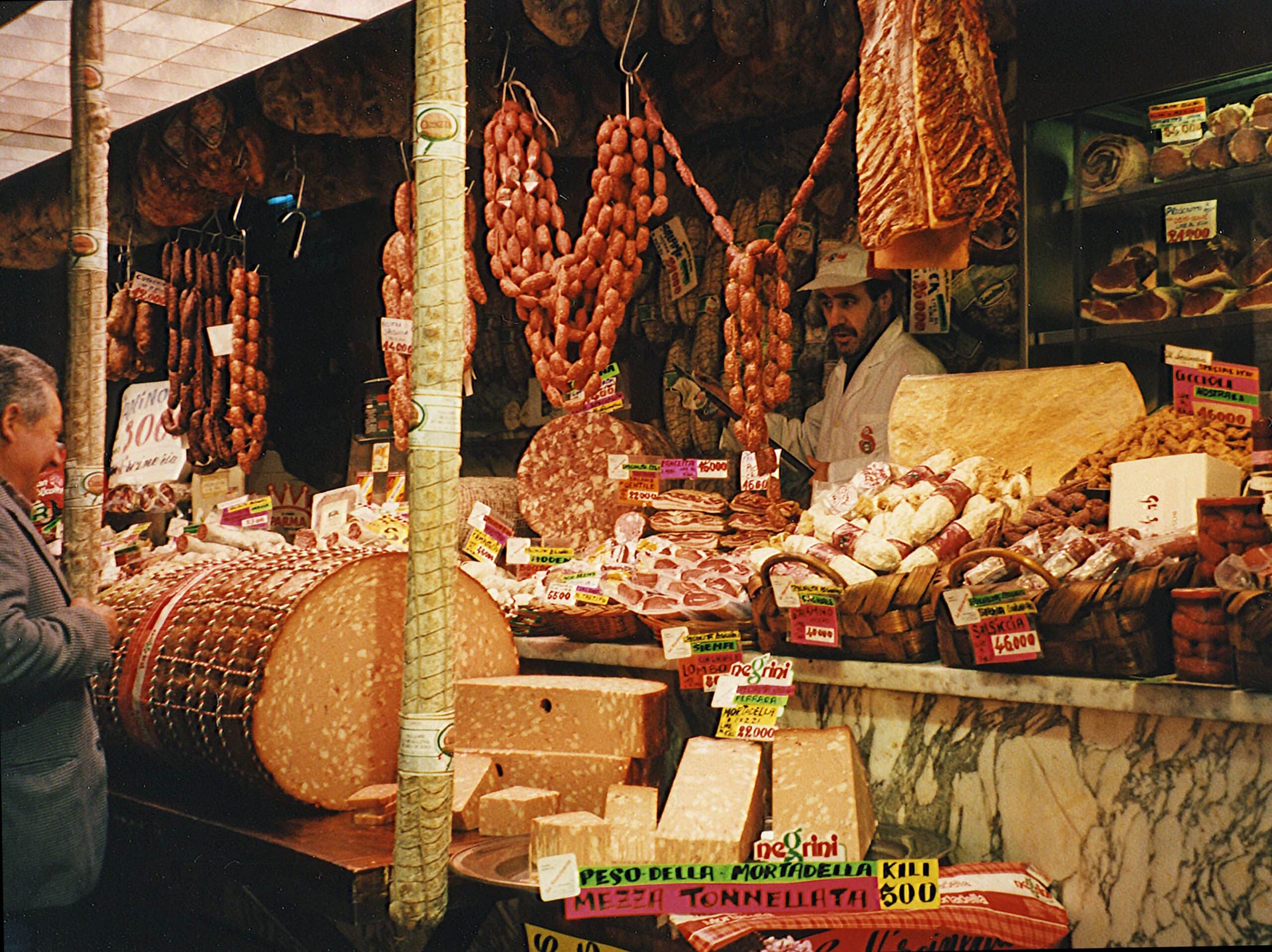
What to Eat in Florence: Discovering the Flavors of Tuscany
Florence is celebrated around the world for its Renaissance art, magnificent churches, and historic streets, but the city’s food tells an equally important story. Long before visitors arrived to admire Michelangelo’s David or Botticelli’s Birth of Venus, Florentines were gathering around tables filled with simple dishes made from ingredients grown just beyond the city walls.
Unlike many cuisines that rely on elaborate recipes, Tuscan cooking is rooted in restraint. Fresh olive oil, rustic bread, locally produced cheeses, seasonal vegetables, cured meats, and regional wines take center stage because exceptional ingredients rarely need much embellishment. Every meal reflects the landscape, the people who cultivate it, and traditions that have been passed from one generation to the next.
Many travelers arrive in Florence expecting memorable museums and beautiful architecture. They often leave talking just as enthusiastically about the meals they shared, the conversations they had with local shopkeepers, and the flavors that introduced them to a different side of Tuscany.
Understanding Florence through its food offers a perspective that many visitors overlook. Each specialty reveals something about the city’s history, agriculture, and culture, making every bite part of a much larger story.
Quick Answer: What Foods Should You Try in Florence?
Florence is known for traditional Tuscan dishes and ingredients such as schiacciata, finocchiona, Pecorino Toscano, extra virgin olive oil, bistecca alla Fiorentina, ribollita, pappa al pomodoro, handmade sweets, and wines produced throughout the surrounding Tuscan countryside. Together, they reflect a culinary tradition built on seasonal ingredients, local craftsmanship, and centuries of history.
Why Florence Is One of Italy’s Great Food Cities
Florence’s reputation as a food destination did not develop because of extravagant recipes or elaborate presentation. It grew from the land surrounding the city and the people who learned how to make the most of every ingredient available to them.
For centuries, the fertile hills of Tuscany have produced olives, grapes, wheat, vegetables, herbs, and livestock that shaped everyday life. Farmers supplied city markets with seasonal produce while bakers, butchers, cheesemakers, and winemakers developed techniques that preserved quality and minimized waste. These traditions became the foundation of Tuscan cuisine, where simplicity has always been viewed as a strength rather than a limitation.
During the Renaissance, Florence prospered through banking, trade, and craftsmanship. As artists transformed painting and sculpture, merchants and artisans also elevated food production, creating markets that became gathering places for both residents and visitors. Meals reflected the rhythm of the seasons, and recipes evolved naturally as ingredients became available throughout the year.
That philosophy remains visible today. Local businesses continue producing many foods using methods refined over generations, and neighborhood food shops remain an important part of daily life. Rather than chasing trends, Florence continues to celebrate quality, patience, and authenticity.
Many visitors discover that Tuscan cuisine feels refreshingly honest. It allows exceptional ingredients to speak for themselves while offering a genuine connection to the region’s history and traditions.
The Flavors That Define Florence
Certain foods have become symbols of Florence because they reflect the city’s identity as clearly as its famous landmarks.
Schiacciata is one of the best examples. Although visitors often compare it to focaccia, its texture and flavor are uniquely Tuscan. Crisp on the outside and soft inside, it is delicious on its own or paired with regional cheeses and cured meats.
Finocchiona, a traditional salami flavored with fennel seeds, has been enjoyed in Tuscany for centuries. The aromatic fennel creates a distinctive flavor that has become one of the region’s culinary signatures.
Pecorino Toscano demonstrates the importance of local dairy traditions. Depending on its age, the cheese can be delicate and creamy or rich and complex, making it a favorite accompaniment to honey, fruit, or local preserves.
Extra virgin olive oil is another essential part of Tuscan cuisine. Freshly pressed oils often reveal grassy aromas and a peppery finish that reflect the surrounding landscape and changing seasons.
No discussion of Florence would be complete without mentioning its wines. Vineyards throughout Tuscany produce internationally celebrated varieties, and each bottle reflects the climate, geography, and generations of experience that define the region’s winemaking heritage.
Together, these ingredients illustrate why Florence’s culinary traditions continue to attract travelers from around the world.
Food Is a Window into Florence’s History
Florence’s culinary traditions developed alongside the city itself. Long before it became one of the world’s most celebrated cultural destinations, food played a central role in daily life, bringing together farmers, artisans, merchants, and families in busy markets and neighborhood shops.
Many traditional recipes were born out of practicality. Bread became the foundation of countless meals, while vegetables, beans, and olive oil created nourishing dishes that reflected the agricultural rhythms of the Tuscan countryside. Nothing was wasted, and every ingredient served a purpose.
This resourcefulness gave rise to some of Florence’s most beloved specialties. Ribollita, a hearty vegetable and bread soup, and pappa al pomodoro, made with ripe tomatoes and stale bread, are both excellent examples of how simple ingredients became lasting culinary traditions. Bistecca alla Fiorentina, one of Tuscany’s most famous dishes, reflects the region’s long history of cattle farming and respect for quality ingredients.
Understanding these foods means understanding Florence itself. Every recipe tells a story about the landscape, the seasons, and the people who have shaped the city’s identity over hundreds of years.
Why Tuscan Cuisine Still Matters Today
While Florence proudly preserves its culinary heritage, its food culture continues to evolve without losing sight of its roots.
Local producers remain committed to traditional methods, whether pressing olive oil from nearby groves, aging cheeses using time-honored techniques, or producing wines that reflect the character of the surrounding hills. Many family-run businesses have served their communities for generations, passing knowledge from parents to children while maintaining the same dedication to quality.
For travelers, this creates something increasingly rare. Rather than experiencing food as a performance, visitors become part of traditions that remain woven into everyday life.
Many visitors overlook how closely Florence’s cuisine is connected to sustainability. Seasonal ingredients, regional production, and respect for local agriculture have always been central to Tuscan cooking. Long before these ideas became popular around the world, Florentines understood that the best meals begin with exceptional ingredients grown close to home.
Local Expert Tip
Many first-time visitors focus on finding Florence’s most famous restaurants, but locals often know that some of the city’s most memorable flavors come from small bakeries, neighborhood delicatessens, traditional wine bars, and family-owned specialty food shops.
The experience becomes even more rewarding when you understand the stories behind the ingredients. Learning how olive oil is produced, why certain cheeses are aged differently, or how generations of families have preserved regional recipes adds another layer of appreciation that extends far beyond the meal itself.
Experience It Firsthand
Sampling Florence’s traditional foods is only part of the experience. The deeper story lies in understanding how these flavors connect to Tuscany’s history, agriculture, and culture.
Many visitors enjoy regional specialties without realizing how closely they reflect centuries of craftsmanship, family traditions, and local identity. Conversations with knowledgeable local experts help bring these connections to life, turning a simple tasting into a richer cultural experience.
Artviva’s Tastes of Florence experience introduces travelers to Florence’s culinary traditions through thoughtfully selected tastings and engaging storytelling that highlights the city’s remarkable food culture. Rather than simply sampling local specialties, guests gain a greater appreciation for the people, places, and traditions that continue to shape Tuscan cuisine today.
Learn more here:
Tastes of Florence: A Walking Food Tour
Practical Travel Advice
Florence is a wonderfully walkable city, making it easy to experience its food culture on foot. Comfortable shoes are recommended, especially if you plan to spend several hours exploring different neighborhoods.
If food is an important part of your trip, avoid filling every meal with restaurant reservations before you arrive. Leaving room for spontaneous discoveries often leads to some of the most memorable experiences, whether it’s stopping at a neighborhood bakery, enjoying a leisurely aperitivo, or trying a seasonal specialty recommended by a local.
Reservations are also helpful during spring, summer, and holiday periods, particularly for smaller family-run establishments where seating is limited.
Seasonal Considerations
Spring
Fresh vegetables, herbs, and flowering countryside bring lighter flavors to Tuscan menus. Local markets become especially vibrant as seasonal produce begins to appear.
Summer
Long evenings encourage outdoor dining and relaxed aperitivo traditions. Tomatoes, stone fruits, and refreshing local wines become staples throughout the season.
Autumn
Many food lovers consider autumn the most exciting time to visit Florence. Olive harvests begin, new wines are released, and seasonal ingredients such as mushrooms and truffles make their way onto restaurant menus.
Winter
Cooler temperatures bring comforting Tuscan classics, including slow-cooked meats, hearty soups, rich cheeses, and robust red wines that perfectly suit the season.
Frequently Asked Questions
What food is Florence most famous for?
Florence is known for specialties including schiacciata, bistecca alla Fiorentina, ribollita, pappa al pomodoro, finocchiona, Pecorino Toscano, extra virgin olive oil, and wines produced throughout Tuscany.
Is Florence a good destination for food lovers?
Absolutely. Florence combines centuries-old culinary traditions with exceptional local ingredients, family-run food businesses, historic markets, and one of Italy’s richest regional food cultures.
When is the best time to experience Florence’s food scene?
Every season offers something unique. Spring highlights fresh produce, summer features lighter seasonal ingredients, autumn celebrates harvest traditions, and winter showcases hearty Tuscan comfort food.
Why is Tuscan cuisine considered simple?
Tuscan cooking emphasizes ingredient quality over complexity. Fresh seasonal produce, carefully produced olive oil, local cheeses, cured meats, and traditional cooking methods allow natural flavors to take center stage.
Is a guided food experience worth it in Florence?
Many travelers find that exploring Florence with knowledgeable local experts provides a deeper understanding of the city’s culinary traditions, regional ingredients, and the stories that connect food with everyday Florentine life.
Florence’s Story Is Told One Bite at a Time
Florence is often remembered for its extraordinary art and architecture, yet its food offers an equally meaningful way to understand the city’s character.
Every loaf of freshly baked schiacciata, every piece of aged Pecorino Toscano, every bottle of locally produced wine reflects centuries of tradition, craftsmanship, and pride. Together, these flavors reveal a side of Florence that many visitors never fully experience.
The city’s culinary heritage reminds us that some of the most memorable travel moments happen around a shared table, during conversations with local producers, or while discovering traditions that have remained remarkably unchanged for generations.
If you’d like to explore Florence’s food culture with knowledgeable local experts, learn more about Artviva’s Tastes of Florence experience:
Tastes of Florence: A Walking Food Tour
Why Travel with Artviva
Since 1996, Artviva has introduced travelers to Italy through authentic experiences led by passionate local experts. Every experience is designed to go beyond the highlights, helping visitors understand the history, traditions, and everyday culture that make each destination unique.
Through thoughtful storytelling and genuine local knowledge, Artviva helps travelers experience Florence not simply as a collection of famous landmarks, but as a living city whose food, history, and people continue to shape its identity today.