Alba’s White Truffle Season: Discover Piedmont’s Most Coveted Tradition
The white truffle season in Alba, Piedmont is one of Italy’s most quietly extraordinary moments. It arrives with the first cold mist over the Langhe hills, when oak and hazelnut forests begin to hold scent and silence differently.
This is not a manufactured culinary trend. It is a seasonal rhythm shaped by soil, weather, and generations of local knowledge. In Alba, truffles are not grown or controlled. They are found.
Many travelers visit Piedmont for its wines or rolling landscapes. Fewer understand how deeply the white truffle defines the cultural identity of this region.
What Makes Alba’s White Truffle So Rare
The white truffle of Alba (Tuber magnatum Pico) cannot be cultivated. Its presence depends entirely on natural conditions that shift year by year.
This unpredictability is what gives it cultural weight. It is never guaranteed, never standardized, and never repeated in quite the same way.
Local hunters—known as trifulau—read the forest with quiet precision. Their knowledge is not written in manuals but passed through observation, memory, and experience.
What most visitors never realize is that the forest itself is treated as a living system of balance rather than a resource to extract from.
The Cultural Landscape of the Langhe Hills
To understand white truffle culture, it helps to understand the Langhe landscape.
These hills are not just scenic terrain. They are agricultural, historical, and deeply coded with tradition. Vineyards producing Barolo and Barbaresco sit alongside forested zones where truffles form beneath the surface.
The same soil that shapes world-class wine also supports one of Italy’s most elusive culinary ingredients. This overlap of wine and forest is central to Piedmont identity.
Why White Truffles Matter Beyond Cuisine
White truffles carry significance far beyond gastronomy.
They represent timing, patience, and respect for natural cycles. Their season is short, and their appearance unpredictable, which makes every encounter distinct.
The experience of encountering white truffle culture changes how travelers understand Italian cuisine itself. It shifts focus from presentation to origin, from refinement to environment.
Local experts often point out that truffle culture survives not because of demand, but because of restraint.
Reading the Forest: A Local Perspective
In Alba, truffle knowledge is deeply local and rarely explained in full.
Hunters do not simply search the ground. They interpret it. Subtle signs in vegetation, soil composition, and seasonal moisture guide where attention is placed.
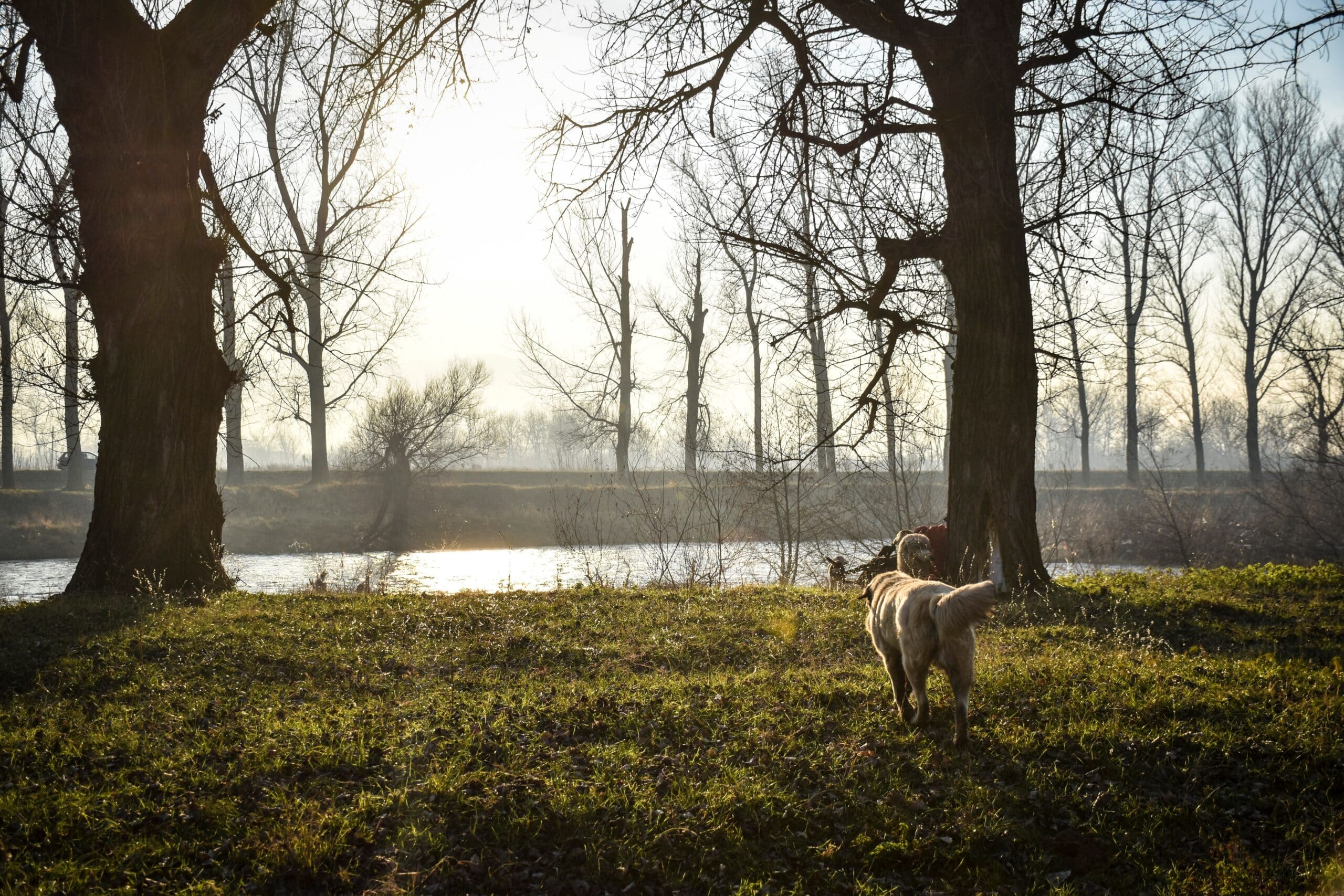
Dogs trained for truffle work are part of this dialogue with the land. Their role is not spectacle, but partnership.
What most travelers never realize is that this relationship between human, animal, and forest is the foundation of the entire tradition.
When to Experience the White Truffle Season
The white truffle season typically runs from October through December, though exact timing varies each year depending on weather conditions.
Early season offers quieter landscapes and softer light across the hills. Later weeks bring stronger aromas and a more concentrated cultural atmosphere in Alba.
Rather than a fixed window, the season is best understood as a shifting period shaped by nature rather than scheduling.
The Language of Piedmont Cuisine
Piedmontese cuisine is defined by restraint rather than complexity.
Dishes are built on a few high-quality ingredients—eggs, butter, pasta, and local wines—allowing seasonal elements like white truffle to define the final character of the dish.
This approach reflects a broader cultural philosophy in the region: enhancement rather than transformation.
Many visitors overlook how closely food, land, and seasonality are intertwined here.
Planning a Visit During Truffle Season
Alba during truffle season is intimate rather than expansive.
The town becomes a meeting point for chefs, producers, and travelers drawn by seasonal cuisine. Reservations for restaurants and tastings are essential during peak weeks.
Comfortable footwear is recommended for rural areas, as the surrounding landscape is uneven and naturally forested.
The experience is best approached slowly, allowing time to understand both town and countryside.
Frequently Asked Questions about Piedmont’s White Truffle Season Near Alba
Why is Alba famous for white truffles?
Alba is located in a region where soil, climate, and forest conditions naturally support the growth of white truffles, making it one of the most important truffle areas in the world.
When is white truffle season in Piedmont?
The season generally runs from October to December, depending on weather and environmental conditions.
Can white truffles be cultivated?
No. White truffles grow only in specific natural environments and cannot be farmed or artificially produced.
What foods are paired with white truffles?
They are typically shaved over simple dishes such as eggs, pasta, or risotto to highlight their aroma rather than mask it.
Why is local knowledge important in Alba?
Truffle culture is deeply tied to regional tradition and environmental understanding that has been passed down through generations.
A Season That Cannot Be Repeated
White truffle season in Alba is not defined by spectacle, but by subtlety.
It exists in the relationship between land and season, between knowledge and patience, between what is seen and what is understood.
For travelers drawn to Italy’s deeper cultural layers, Piedmont offers a rare perspective—where food is not only consumed, but interpreted through place.
For those who wish to explore Piedmont’s truffle culture with deeper context and carefully curated local insight, Artviva can arrange highly tailored experiences across Alba and the Langhe hills, designed around seasonal access and regional expertise.
Why Artviva
Experiencing white truffle season with Artviva means going beyond seasonal dining and into the landscape and traditions that shape it. With carefully curated access in Alba and the Langhe hills, the focus is on authenticity, timing, and local expertise—connecting you directly with the rhythms of the forest and the people who know it best.
Rather than a standard food experience, Artviva builds private, thoughtfully paced encounters that reflect the rarity and unpredictability of the white truffle itself. From trusted local hunters to seasonal producers, each element is selected to offer genuine insight into Piedmont’s truffle culture.
Artviva brings clarity, access, and storytelling together to make the experience feel both intimate and deeply rooted in place.
Learn more about Artviva’s White Truffle Gourmet Adventure in Alba and book your private experience.