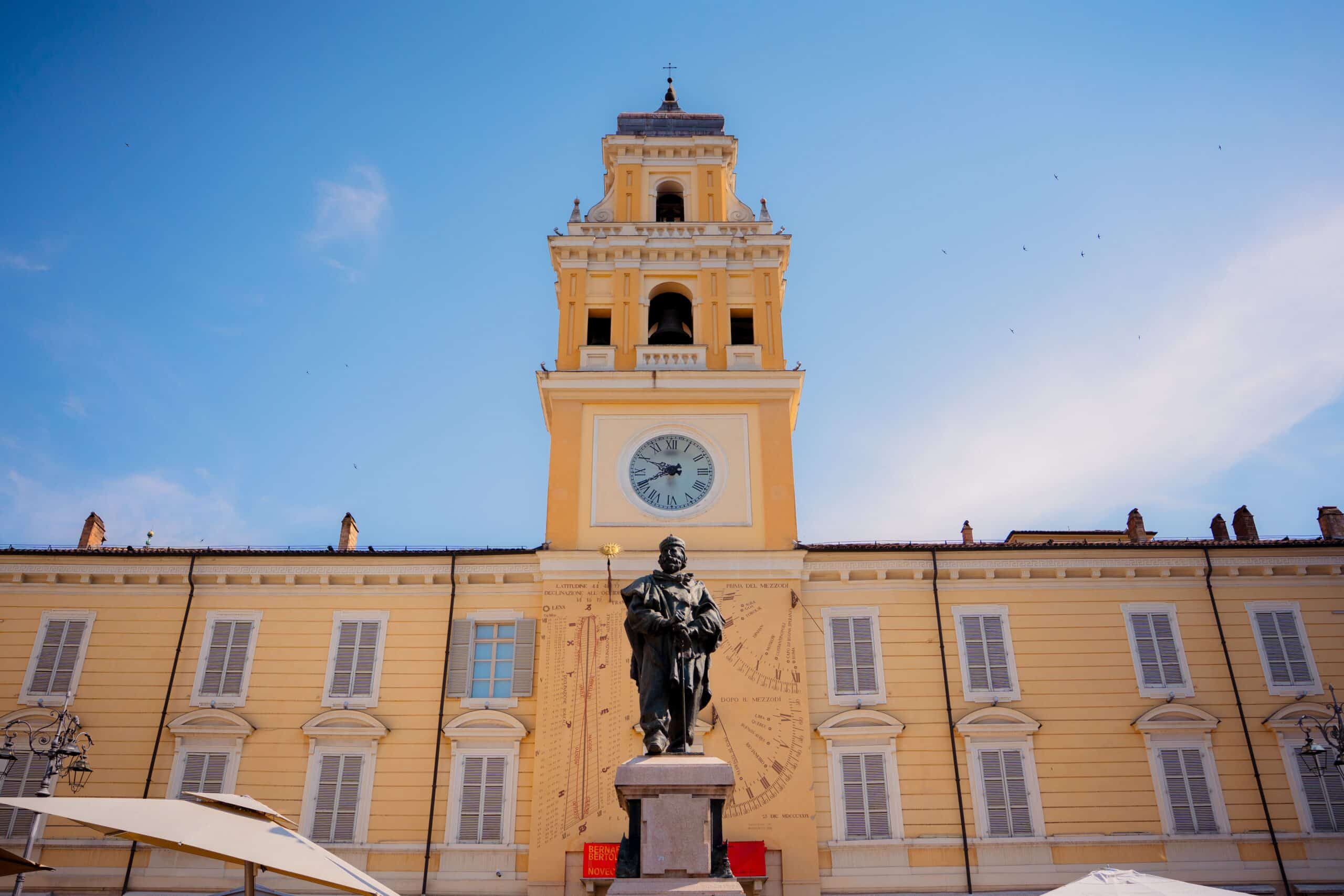
Why Parma Is Italy’s Gastronomic Capital
Italy is filled with places famous for food, yet Parma occupies a category of its own. Here, gastronomy is not simply part of local culture. It shapes the landscape, influences daily life, and defines the city’s identity. From the aging rooms of Parmigiano Reggiano to the delicate curing process behind Prosciutto di Parma, Parma represents a rare meeting point between tradition, craftsmanship, and agricultural excellence.
Many visitors arrive expecting great meals. They leave understanding that Parma offers something deeper: a living cultural heritage expressed through food. This reputation helped earn Parma recognition as a UNESCO Creative City of Gastronomy, an honor that reflects centuries of culinary achievement and ongoing innovation.
History & Cultural Context
A City Built on Fertile Ground
Parma’s story begins with geography.
Located between the Po River Valley and the Apennine Mountains, the region benefits from rich agricultural land, favorable weather patterns, and access to important trade routes. For centuries, farmers, monks, merchants, and noble families contributed to a food culture that prized quality over quantity.
The area’s prosperity allowed culinary traditions to evolve slowly and carefully. Recipes were refined across generations. Production methods became standardized. Local specialties developed identities closely tied to place.
What most travelers never realize is that Parma’s culinary success did not happen by accident. It emerged from centuries of collaboration between agriculture, craftsmanship, and civic pride.
The Legacy of Parmigiano Reggiano
Few foods symbolize Italy as completely as Parmigiano Reggiano.
Its origins stretch back nearly a thousand years, when Benedictine and Cistercian monks sought a durable cheese that could preserve surplus milk. Over time, techniques became increasingly refined, creating the complex cheese known today around the world.
Yet authentic Parmigiano Reggiano remains deeply connected to its territory. Every wheel follows strict production regulations and must be produced within a designated area that includes Parma province. The result is a product whose flavor reflects local milk, climate, and centuries of expertise.
Many visitors taste Parmigiano Reggiano before arriving in Italy. The experience takes on new meaning when viewed through the lens of its origins.
The Art of Prosciutto di Parma
Parma’s other culinary ambassador is Prosciutto di Parma.
Unlike many cured meats, its production relies on remarkably few ingredients. The process depends primarily on pork, salt, time, and the unique microclimate created by breezes descending from the Apennine Mountains.
The result is a ham celebrated for its delicate sweetness and remarkable balance.
Local experts often point out that Prosciutto di Parma represents patience as much as technique. Months of careful curing transform simple ingredients into one of Italy’s most iconic foods.
Beyond the Famous Names
While Parmigiano Reggiano and Prosciutto di Parma receive global attention, they are only part of the story.
Parma’s culinary identity also includes handmade pasta, tortelli, anolini, traditional pastries, regional wines, and countless artisanal products that rarely appear on international menus. The city’s food culture thrives because excellence is expected at every level, not only among its most famous exports.
Why Parma Matters Today
In an era of industrial food production, Parma offers a powerful alternative.
Here, authenticity remains a practical reality rather than a marketing concept. Producers continue to protect traditional methods. Families pass skills between generations. Consumers maintain close relationships with local food traditions.
This commitment matters because travelers increasingly seek meaningful experiences rather than simple sightseeing.
Food provides one of the most direct ways to understand a place. Through Parma’s culinary traditions, visitors gain insight into local history, agricultural practices, social customs, and regional identity.
Many visitors overlook how deeply food influences the rhythm of daily life in Emilia-Romagna. Conversations begin around meals. Celebrations center on shared tables. Seasonal changes appear first in markets and kitchens.
To understand Parma is to understand its food.
The UNESCO Recognition
Parma’s status as a UNESCO Creative City of Gastronomy reflects international recognition of this unique relationship between culture and cuisine. The designation acknowledges not only famous products but also the broader ecosystem of education, sustainability, craftsmanship, and culinary innovation that defines the city today.
The deeper story lies in how tradition continues to evolve without losing its roots.
Parma remains a working city rather than a culinary museum. Local producers innovate carefully while preserving the standards that built their reputations.
Local Expert Tip
If you want to understand Parma’s food culture, pay attention to how locals talk about ingredients.
Visitors often focus on individual dishes. Residents focus on producers.
Ask a Parmigiano Reggiano enthusiast about cheese and the conversation quickly turns to milk quality, aging conditions, and seasonal differences. Ask about prosciutto and you’ll hear discussions about curing rooms, air circulation, and generations of expertise.
This perspective reveals something essential about Parma. The true source of quality is not the final product. It is the chain of knowledge behind it.
That distinction transforms tasting into understanding.
Experience It Firsthand
Reading about Parma’s gastronomic heritage offers valuable context. Experiencing it within the city itself reveals a much richer story.
Artviva’s Private Gourmet Walking Tour with Lunch in Parma explores the connections between history, architecture, craftsmanship, and cuisine through the eyes of knowledgeable local experts. Rather than focusing solely on tastings, the experience places Parma’s most celebrated foods within their broader cultural context, helping travelers understand why these traditions became globally admired.
As you move through Parma’s historic center, the city begins to reveal itself in unexpected ways. Elegant piazzas, centuries-old food traditions, and stories passed through generations come together to create a fuller picture of local life. Many visitors discover that foods they thought they already knew take on entirely new significance when viewed through their place of origin.
For travelers who enjoy meaningful cultural experiences, the tour provides an opportunity to engage with Parma’s culinary heritage in a thoughtful and immersive way without reducing the city to a checklist of famous foods.
Practical Travel Advice
How Much Time Should You Spend in Parma?
Parma deserves more than a quick stop between larger destinations.
A full day allows visitors to appreciate both the city’s artistic treasures and its culinary culture. Those with a deeper interest in food often find that two or three days provide a more rewarding experience.
Arriving from Major Cities
Parma enjoys excellent rail connections with Milan, Bologna, Florence, and other major Italian cities. This accessibility makes it an appealing addition to broader northern Italy itineraries.
What to Prioritize
Rather than trying to sample every specialty, focus on understanding the traditions behind a few key products.
Quality of experience matters far more than quantity of tastings.
Respect Local Dining Culture
Meals in Parma tend to unfold at a relaxed pace. Lunch remains an important social ritual, and many of the city’s most memorable culinary experiences emerge through conversation as much as cuisine.
Seasonal Considerations
Spring
Spring brings mild weather and vibrant market activity. Outdoor dining begins to return, and the surrounding countryside becomes particularly attractive.
Summer
Summer offers lively piazzas and longer evenings, though midday temperatures can be warm. Early morning and evening explorations are especially pleasant.
Autumn
Many food enthusiasts consider autumn one of the most rewarding times to visit. Seasonal ingredients appear on menus, and culinary events become more frequent.
Winter
Winter highlights Parma’s comforting cuisine. Rich pasta dishes, cured meats, and aged cheeses feel particularly fitting during colder months.
Each season offers a different perspective on the city’s gastronomic identity.
Frequently Asked Questions
Why is Parma famous for food?
Parma is famous because it produces some of Italy’s most iconic protected foods, including Parmigiano Reggiano and Prosciutto di Parma, while maintaining centuries-old traditions of craftsmanship and quality.
Is Parma worth visiting for food lovers?
Absolutely. Parma offers one of Italy’s richest culinary cultures, combining world-famous specialties with a deep connection between food, history, and local identity.
What foods should I try in Parma?
Parmigiano Reggiano, Prosciutto di Parma, tortelli, anolini, traditional pastries, and regional wines are among the most representative local specialties.
Why is Parmigiano Reggiano different in Parma?
Authentic Parmigiano Reggiano follows strict production rules and reflects the unique environmental conditions, milk quality, and craftsmanship of its production region.
Is Parma recognized by UNESCO?
Yes. Parma was designated a UNESCO Creative City of Gastronomy, recognizing its outstanding contribution to culinary culture and food heritage.
Can you experience Parma’s food culture without visiting producers?
Yes, but expert interpretation often provides a deeper understanding. Guided experiences help connect the foods, traditions, architecture, and stories that shaped the city over centuries.
Why Parma’s Culinary Heritage Leaves a Lasting Impression
Parma’s reputation as Italy’s gastronomic capital rests on far more than exceptional ingredients.
Its true distinction lies in the relationship between people, place, and tradition. Here, food is not merely consumed. It is preserved, celebrated, debated, refined, and passed forward. Every wheel of cheese, every slice of prosciutto, and every family recipe reflects generations of accumulated knowledge.
Many travelers arrive expecting memorable meals. The most fortunate leave with something richer: an understanding of how culinary traditions can shape an entire culture.
For those wishing to explore this remarkable heritage more deeply, Artviva’s Private Gourmet Walking Tour with Lunch in Parma offers an engaging way to connect with the stories, craftsmanship, and local perspectives that continue to make Parma one of Italy’s most fascinating destinations.