Wine Culture in Tuscany: Beyond the Glass
Wine in Tuscany is rarely experienced as something technical. It sits at the table, part of conversation, landscape, and daily rhythm. Yet beneath that ease lies a structured world of tasting, language, and perception that most visitors never fully learn to read.
In Florence and across Tuscany, wine appreciation is often inherited informally rather than studied. Locals grow up around it, but rarely stop to break down what they are sensing in the glass. For visitors, this creates a gap between enjoyment and understanding — a gap that can quietly limit how deeply wine is experienced.
The deeper story lies in how wine education translates sensation into clarity. Once structure, aroma, and balance begin to make sense, even simple moments at a Tuscan table change in tone. A glass becomes more than taste; it becomes interpretation, memory, and geography in liquid form.
This is where guided wine learning in a private setting becomes meaningful. It creates space to slow down perception, build confidence, and connect Tuscan wines to a wider global context without losing the pleasure that makes them so loved in the first place.
History & Cultural Context: Why Tuscany Speaks the Language of Wine
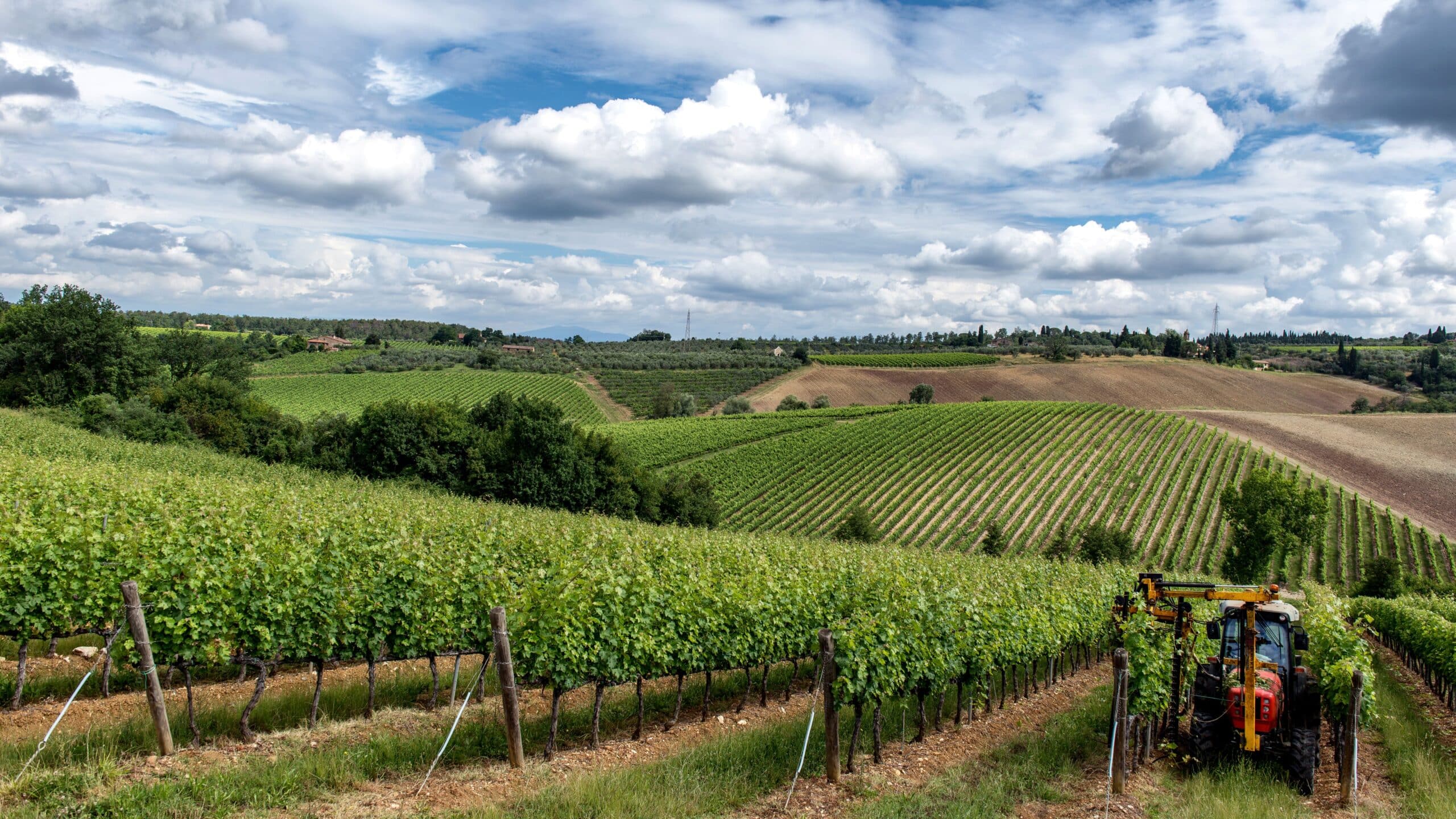
Tuscany’s relationship with wine stretches far beyond production. It is woven into agricultural life, trade routes, and cultural identity. Hillsides shaped for vineyards were not only practical decisions, but also aesthetic ones that defined how the region is seen today.
What most travelers never realize is that Tuscan wine culture developed through centuries of balance between rural tradition and urban demand. Florence played a central role in shaping how wine was stored, traded, and understood socially.
Local experts often point out that wines such as Sangiovese were never simply agricultural outputs. They became markers of place, season, and social connection.
In parallel, modern systems like the Wine & Spirit Education Trust (WSET) have created a structured way to understand what Tuscan producers have known intuitively for generations.
This intersection between tradition and formal learning is what gives today’s wine education in Tuscany its depth.
Why It Matters Today: Learning Wine as a Cultural Skill
In a global travel culture where wine lists can feel overwhelming, structured tasting knowledge changes how people engage with food and place.
Understanding acidity, tannin, and aroma is not about technical precision alone. It is about confidence. It allows travelers to move through Italian dining culture with more awareness and ease.
The experience takes on new meaning when viewed through everyday application. A restaurant menu becomes readable. A bottle label becomes informative rather than intimidating. Choices become intentional rather than random.
Many visitors only scratch the surface of Tuscan wine culture by tasting without context. Structured learning turns that surface into depth.
How Wine Understanding Develops in a Private Setting
Wine education in a private environment changes the rhythm of learning.
Instead of abstract theory, concepts are connected directly to tasting. Sight, smell, and palate become tools for recognition. Differences between grape varieties are experienced rather than memorized.
What most travelers never realize is how quickly familiarity develops when learning is sensory rather than theoretical.
Tuscany provides an ideal backdrop for this process. The region’s wines are expressive but structured, making them well suited for foundational learning.
Local Expert Tip: Taste Slowly, Think Simply
Local wine educators often encourage beginners to slow down before analyzing anything. The first impression matters more than vocabulary.
Rather than searching for correct answers, it is more useful to notice patterns. One wine may feel lighter. Another may feel more structured. Over time, these impressions become reliable reference points.
Florence’s wine culture has always been built on conversation rather than classification. This is where confidence begins.
Practical Travel Advice for Wine Experiences in Florence and Tuscany
Wine education works best when the environment is familiar and comfortable. Private settings such as villas or apartments allow participants to focus without distraction.
It is helpful to avoid overloading the day with other structured activities. Wine learning benefits from attention and time between tastings.
For visitors staying in Florence, sessions can be arranged with flexibility depending on accommodation. In rural Tuscany, the experience often takes on a slower rhythm, shaped by landscape and distance from the city.
Seasonal timing can also influence perception, especially when pairing food and wine with local produce.
Seasonal Considerations
Spring in Tuscany introduces fresh acidity in both cuisine and conversation around wine. Summer brings fuller flavors and longer, more relaxed tasting moments. Autumn is closely connected to harvest traditions, often making it the most expressive season for wine learning. Winter offers focus, where indoor settings naturally encourage concentration and reflection.
Each season offers a different way to understand structure and balance in wine.
Frequently Asked Questions
What is a beginner wine course in Tuscany?
It is an introductory wine education experience that teaches tasting techniques, grape varieties, and basic wine theory in a guided setting.
Do I need experience to join a WSET beginner course?
No prior knowledge is required. The course is designed for complete beginners as well as curious wine enthusiasts.
What wines are typically studied in Tuscany wine courses?
Tuscany often focuses on regional grapes such as Sangiovese, alongside international benchmarks to help build comparison skills.
Will I receive a certification?
Yes, participants complete a structured assessment that leads to a foundational WSET Level One certification.
Understanding Wine as a Way of Seeing Tuscany
Wine in Tuscany is not only something to drink. It is something to interpret. It connects landscape, history, and daily life into a single sensory experience.
For travelers who want to understand Italy beyond surface impressions, learning how to taste with structure offers a lasting shift in perspective. It changes how meals are experienced and how places are remembered.
For those interested in exploring this deeper layer of Tuscan culture, Artviva has been based in Florence since 1996, working with certified educators and regional specialists who bring clarity and context to wine learning in a personal setting.
Why Artviva Is the Right Choice for Wine Education in Tuscany
Artviva’s approach to wine experiences is built on long-standing relationships with certified instructors, sommeliers, and regional producers across Tuscany. This network allows access to educators who combine formal WSET training with lived experience in Italian wine culture.
Our focus is on interpretation rather than demonstration. Guests are guided through structured tasting in a way that connects technical understanding with real-world dining and travel situations.
What most travelers never realize is that wine education in Italy varies significantly in depth and quality. The difference lies in who is teaching, how concepts are communicated, and how well knowledge is adapted to the setting.
For over 25 years, Artviva has specialized in creating cultural learning experiences in Florence that feel natural, personal, and grounded in place. Our wine education programs reflect this philosophy by prioritizing clarity, comfort, and meaningful engagement over formality.
For travelers seeking a more confident and informed relationship with Italian wine, this approach offers a clear and lasting foundation.
Discover the culture behind Tuscany’s wines with Artviva’s Florence and Tuscany: Easy Wine Master Beginner – Private Experience and develop a deeper understanding of tasting, tradition, and the landscapes that shape every bottle.