
Curated by Masters, Hands-on
Foraging in Tuscany Experience
Discover the Foraging Experience in Tuscany
Step off the tourist trail and into the wild pantry of Tuscany. On the Foraging Experience in Tuscany, you wander tranquil landscapes with an expert forager who reveals the edible plants hidden in plain sight: aromatic herbs, bitter greens, roots, berries, and blossoms that Tuscan cooks have prized for generations.
Into Tuscany’s Living Landscape
Your path follows soft farm tracks, sun-warmed olive terraces, and shady riverbanks. Along the way, you pause to look, touch, smell, and taste, learning how habitat, soil, and season shape flavor. Each stop turns into a lesson in nature’s design and a celebration of sustainable, seasonal eating.
Olive Groves, Meadows & Riversides
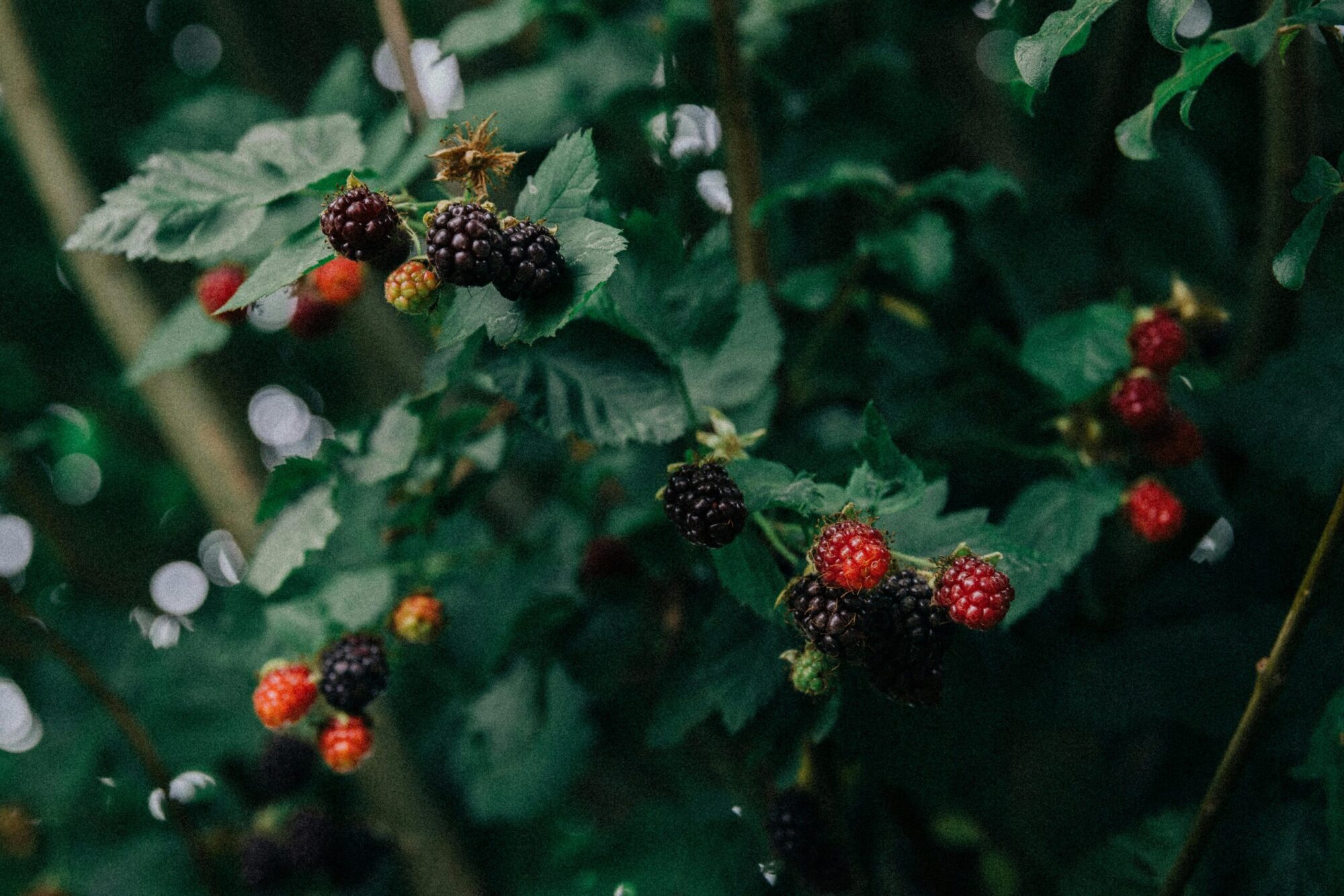
From silvery olive orchards to hedgerows bustling with life, this route changes with the calendar. In one clearing you might find peppery wild mustards; near the water, bright sorrels or wild fennel; under the trees, tender shoots and aromatic leaves. You’ll pick responsibly, place finds in your basket, and understand how to harvest with care.
Meet Tuscany’s Top Forager
Guided by a renowned local expert—regularly called by Florence’s best chefs for pristine wild produce- you’ll master practical skills: plant ID, look-alikes to avoid, where to find specific species, and how to clean, store, and cook them. Expect engaging stories, Italian names for plants, and kitchen tips you’ll use long after the walk ends.
Cultural & Culinary Roots of Tuscan Foraging
Foraging in Tuscany runs deep, from nonna’s remedies to cucina povera ingenuity. You’ll hear how rural families turned humble hillsides into generous larders, why bitterness matters in Tuscan cuisine, and how traditional knowledge now meets modern sustainability, wellness, and farm-to-table dining.
Foraging Experience in Tuscany Overview
• Private walk with Tuscany’s leading forager (supplier to top Florence chefs)
• Learn to identify, harvest, and use edible wild herbs, greens, roots, and flowers
• Gentle trails through olive groves, meadows, hedgerows, and riversides
• Fill your own foraging basket and receive preparation tips and recipes
• Optional upgrade: Foraging + Vegan Cooking Class in the hills near Settignano
• Flexible pacing and locations tailored to season, interests, and mobility needs
What Makes This Foraging Tour Unique
This is a hands-on, sensory masterclass in the Tuscan countryside, private, flexible, and tailored to your interests. Instead of simply tasting, you’ll learn how to find and use wild foods safely, ethically, and deliciously. Every walk is curated to the day’s best spots, based on season and microclimate.
Immersive Sensory Highlights
Crush a sprig of wild mint between your fingers; breathe in fennel and thyme on the breeze; feel cool river stones underfoot; listen to bees in the hedges. Then discuss quick preparations—raw salads, sautés, infusions, and simple condiments- so the flavors you’ve discovered can shine at home.
A Journey That Stays with You
The Foraging Experience in Tuscany leaves you with more than a basket; it gives you a new way to read landscapes and seasons. You’ll return with confidence, recipes, and a deeper connection to the place, and to the food traditions that make Tuscany unforgettable.
• Learn safe, sustainable foraging from Tuscany’s top expert
• Discover edible plants across olive groves, meadows, and river paths
• Fill your own forager’s basket and get chef-tested tips and recipes
• Enjoy a private, flexible pace suited to families, couples, or curious food lovers
• Optional Foraging + Vegan Cooking Class to turn your harvest into a Tuscan dish
Foraging has long shaped Tuscan cuisine. In rural communities, families learned to read the land, seeking bitter greens for salads, wild herbs for broths, roots for stews, and blossoms for infusions. This know-how underpins cucina povera, the art of elevating simple, seasonal ingredients into soulful dishes. Today, chefs and home cooks alike return to these traditions for flavor, wellness, and sustainability, reminding us that Tuscany’s greatest larder still grows just beyond the garden gate.
This journey is going to be 2 hours long.
- Private forager guide
Is the Foraging Experience in Tuscany suitable for children and beginners?
Yes, this tour welcomes curious beginners and families. Terrain and pace are adapted to your group, and the expert guide keeps plant identification engaging and safe.
How strenuous is this tour?
This tour follows gentle countryside paths. We can choose flatter routes or add more adventurous sections on request. Let us know any mobility needs in advance.
What if I have dietary preferences or allergies?
Please share dietary notes when booking. The focus is on edible wild plants; your guide will tailor discussion and recipe suggestions accordingly.
Can this tour be arranged year-round?
Yes. The Foraging Experience in Tuscany runs in all seasons, with routes and plant focus adjusted to what’s naturally abundant and at its best.
Is there a cooking component included?
By default, you’ll receive preparation guidance and recipe ideas. You can upgrade to our Foraging + Vegan Cooking Class near Settignano to transform your harvest into a seasonal dish.
Is foraging safe?
Absolutely, never eat a wild plant unless an expert confirms it. Your guide teaches essential safety, look-alike cautions, and ethical harvesting.
Can you organize this tour for private groups or corporate events?
Yes. We curate bespoke team-building, incentive, and corporate wellness versions of the Foraging Experience in Tuscany, pairing nature immersion with culinary learning and seamless logistics.