
Art & History, Museums & Galleries, Walking Experiences
Masterpieces in Florentine Churches
A Private Journey Through Florence’s Sacred Masterpieces
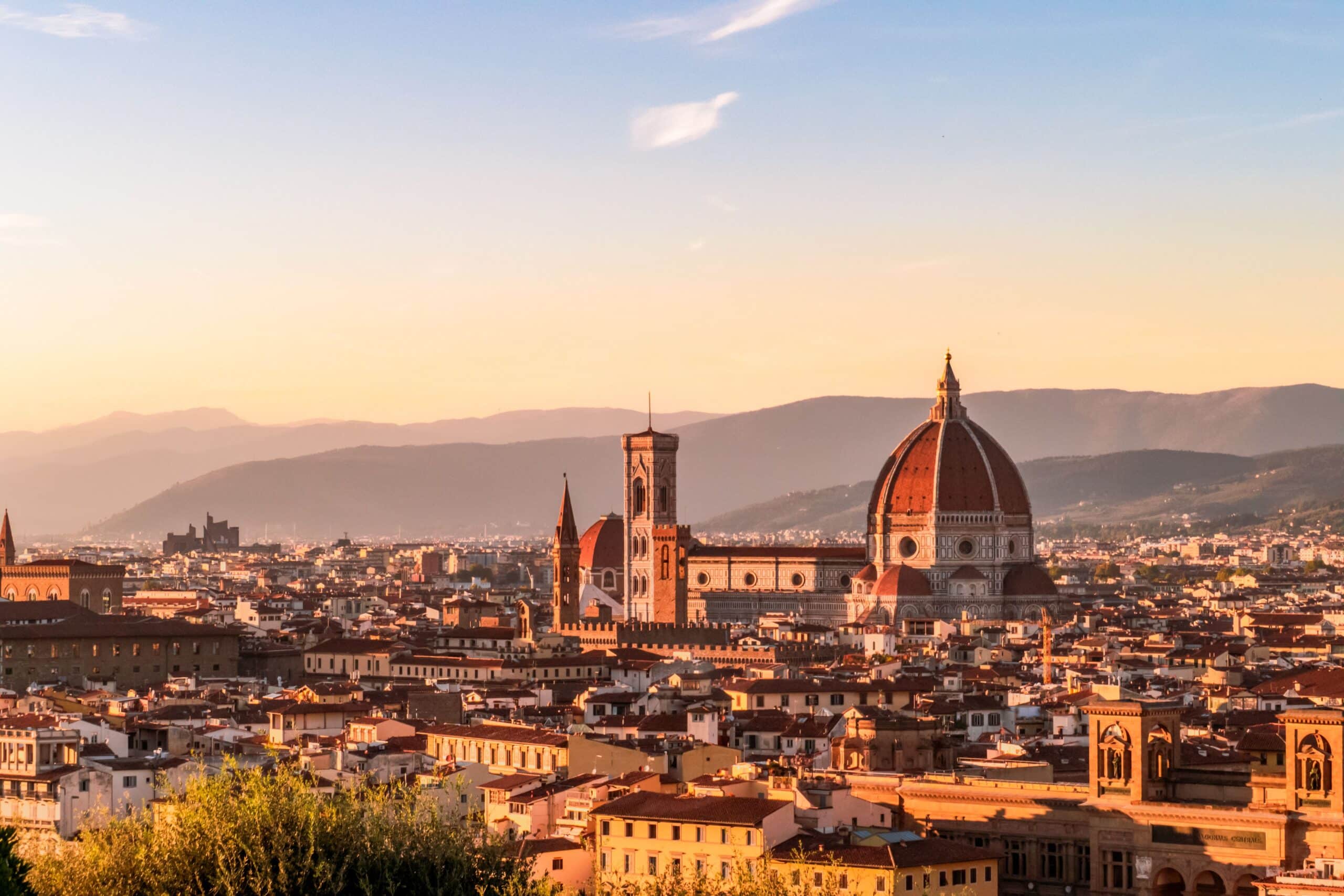
Experience the city’s spiritual heart on a finely curated exploration of Florence’s most beautiful churches. From soaring naves to frescoed chapels, this intimate tour reveals how faith, power, and artistry converged to shape the Renaissance.
Why This Church Tour Feels Different
Your expert guide is a storyteller who reads a chapel like a book of symbols. Rather than ticking off names, we connect patrons, painters, architects, and the politics that forged them, turning famous spaces into living narratives you will remember.
A Graceful Route Across Three Icons
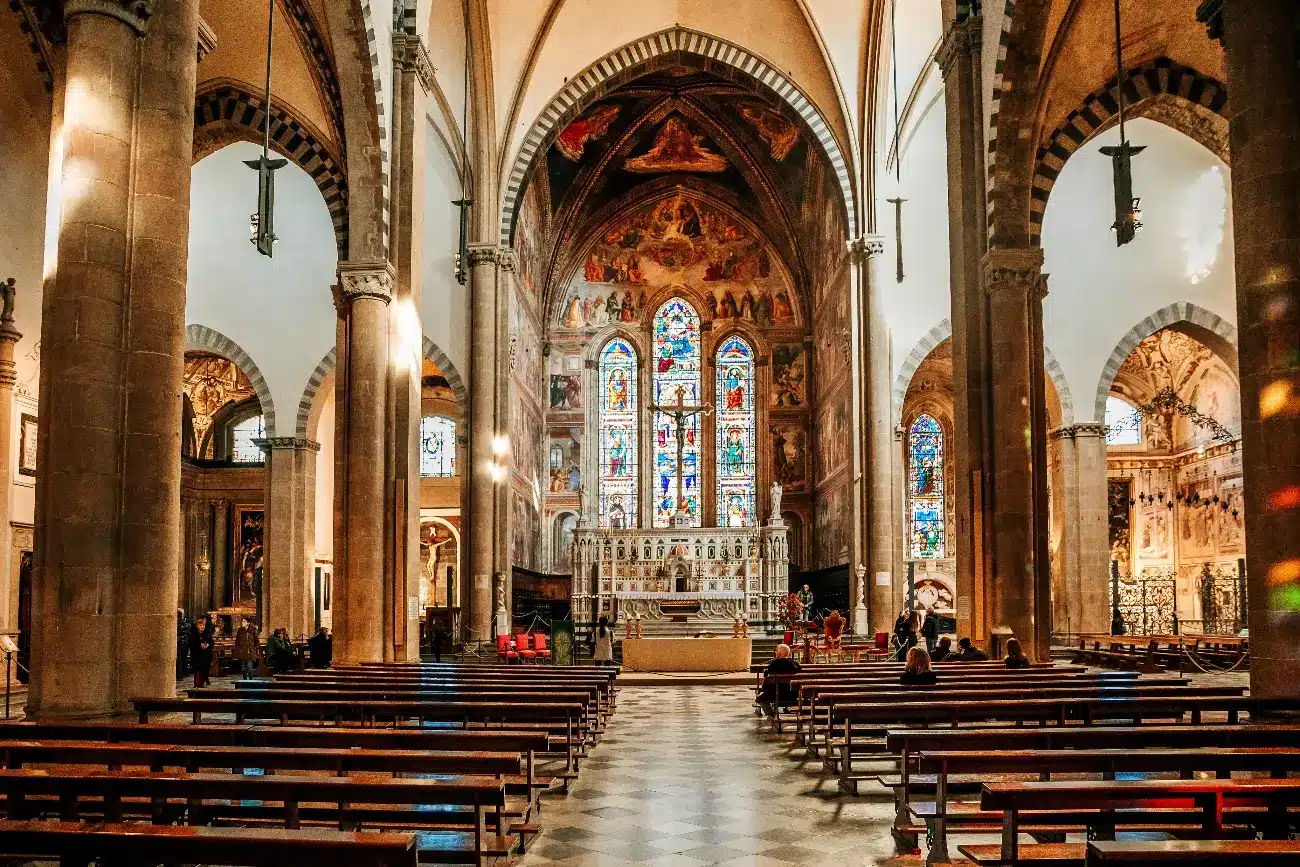
Begin in Santa Maria Novella, where elegant Gothic lines meet Renaissance clarity. Continue to Santa Trinita, the historic church that showcases Florentine Gothic elegance and centuries of artistic heritage. Conclude in Santa Croce, resting place of Italian geniuses and home to Giotto’s pioneering fresco cycles.
Renaissance Art in Context: From Altarpiece to Tomb
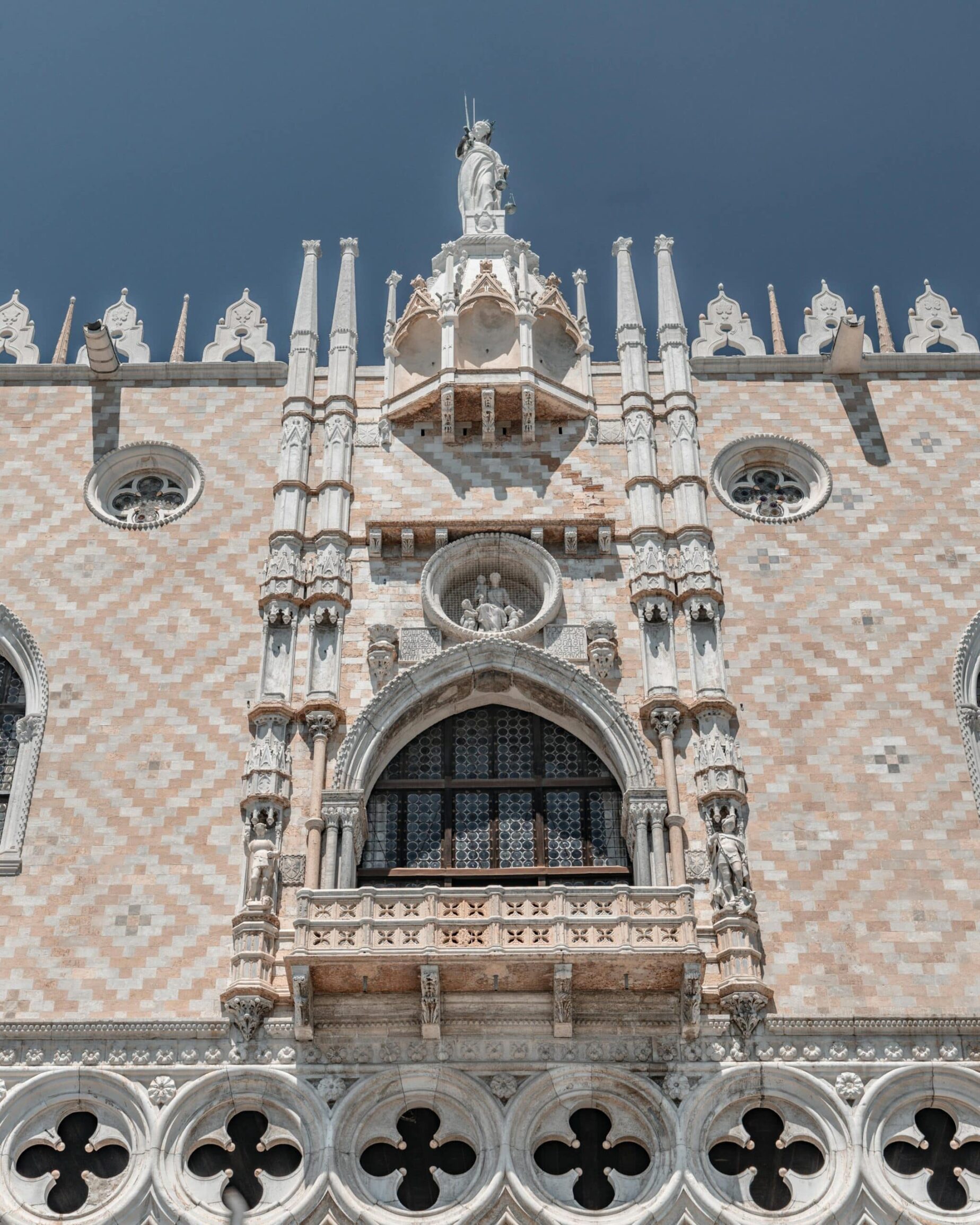
Learn why Masaccio’s perspective changed painting forever, how the churches’ Gothic architecture shaped their sacred spaces, and how their artworks reflect Florence’s rich artistic and religious heritage. In Santa Croce, stand before monuments to Michelangelo, Galileo, and Machiavelli to see how Florence enshrined talent as civic pride.
Quick Art Lens
-
Santa Maria Novella for frescoes by Masaccio and Ghirlandaio
-
Santa Trinita for its Gothic architecture and rich artistic legacy
-
Santa Croce for Giotto’s narrative frescoes and famed tombs
-
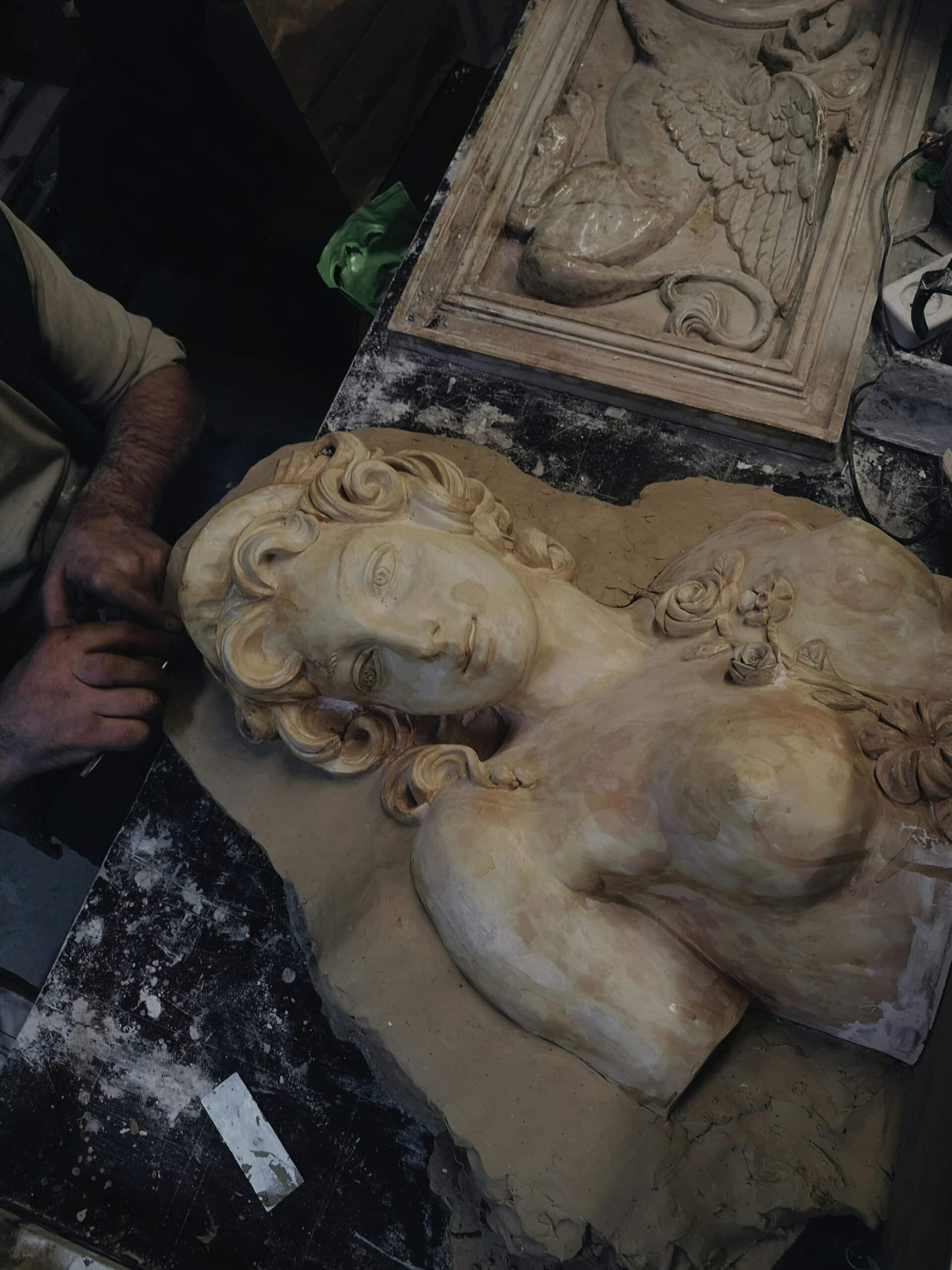
Michelangelo’s sculptural language within a sacred setting
-
Patronage stories that decode symbols, saints, and chapels
Who Will Love This Immersive Church Experience
Ideal for travelers who want depth with serenity, couples seeking an inspiring cultural moment, and families with curious teens who enjoy visual storytelling. It is also an excellent choice for executive groups and incentive travel, offering refined pacing, meaningful content, and seamless private logistics that elevate a classic Florence theme.
Artviva’s Signature Advantage for Church Masterpieces
For more than 25 years, Artviva has opened doors to Italy’s cultural soul with trusted insiders. Expect thoughtfully timed entries, nuanced art history made accessible, and a private format that lets you linger in quiet chapels without rushing.
Practical Details and How the Day Unfolds
This private experience typically runs as a half-day walking tour with a centrally located meeting point provided upon confirmation. Your exact route and timings are tailored to your pace and interests, with pre-arranged entry arrangements where applicable. Comfortable shoes are recommended, and the tour can be adapted for accessibility considerations with advance notice.
Moments You Will Carry With You
From the scent of incense and old stone in Santa Maria Novella to the elegant harmony of Santa Trinita’s Gothic architecture and the soft glow of Giotto’s blues in Santa Croce, each stop offers an atmosphere that deepens what you see with what you feel.
Secure Your Preferred Date
Availability for private church itineraries is limited. Reserve now to lock in your ideal start time and let us tailor pacing and content to your style.
-
Intimate time with Renaissance icons in three extraordinary churches
-
Clear, engaging art history that connects artists, patrons, and power
-
Stories of the Medici and Florence’s great minds at their resting places
-
A relaxed private pace that encourages looking closely and asking questions
-
Tailor-made focus on painting, sculpture, architecture, or devotion
-
Quiet, contemplative corners that reveal hidden details
-
Insider tips for further church visits and related collections
Florence’s great churches formed a civic stage where devotion met display. Mendicant orders attracted patrons who commissioned fresco cycles to teach and inspire, while architects pursued clarity and proportion that mirrored new humanist ideals. Families like the Medici embedded lineage within sacred spaces, funding chapels where marble, pigment, and geometry became instruments of prestige and faith. In this meeting of theology, money, and invention, the modern language of Italian art took shape, and Florence’s churches became its enduring archive.
This journey is going to be 4 hours long.
- A great guide and ticket entry to the churches of Santa Maria Novella and Santa Croce
Which churches are included on the Masterpieces in Florentine Churches Tour?
The standard route visits Santa Maria Novella, Santa Trinita, and Santa Croce, with flexibility to tailor content and timing to your interests.
Is the Masterpieces in Florentine Churches Tour suitable for guests who love art history?
Yes. Your guide provides accessible scholarship that connects technique, theology, and patronage so both enthusiasts and newcomers feel inspired.
Can this tour focus more on Michelangelo or Giotto if requested?
Absolutely. Tell us your priorities and we will adjust pacing and emphasis to include specific chapels, tombs, or artists.
Are transfers included for this tour of Florence’s most beautiful churches?
The experience begins in central Florence. Private transfers can be arranged upon request for added comfort.
How far in advance should I book the Masterpieces in Florentine Churches Tour?
We suggest reserving at least two months ahead to secure preferred times and to allow for any special arrangements.
Is this tour appropriate for children and teens?
Yes. We often adapt the narrative toward visual storytelling and symbolism to keep younger travelers engaged.
Can the Masterpieces in Florentine Churches Tour accommodate accessibility needs?
Please share any mobility considerations in advance. We will adjust routing and timing to ensure a comfortable experience.