Art & History, Museums & Galleries
The Best of the Pitti Palace Tour
Step Inside a Royal Residence: Discover the Pitti Palace
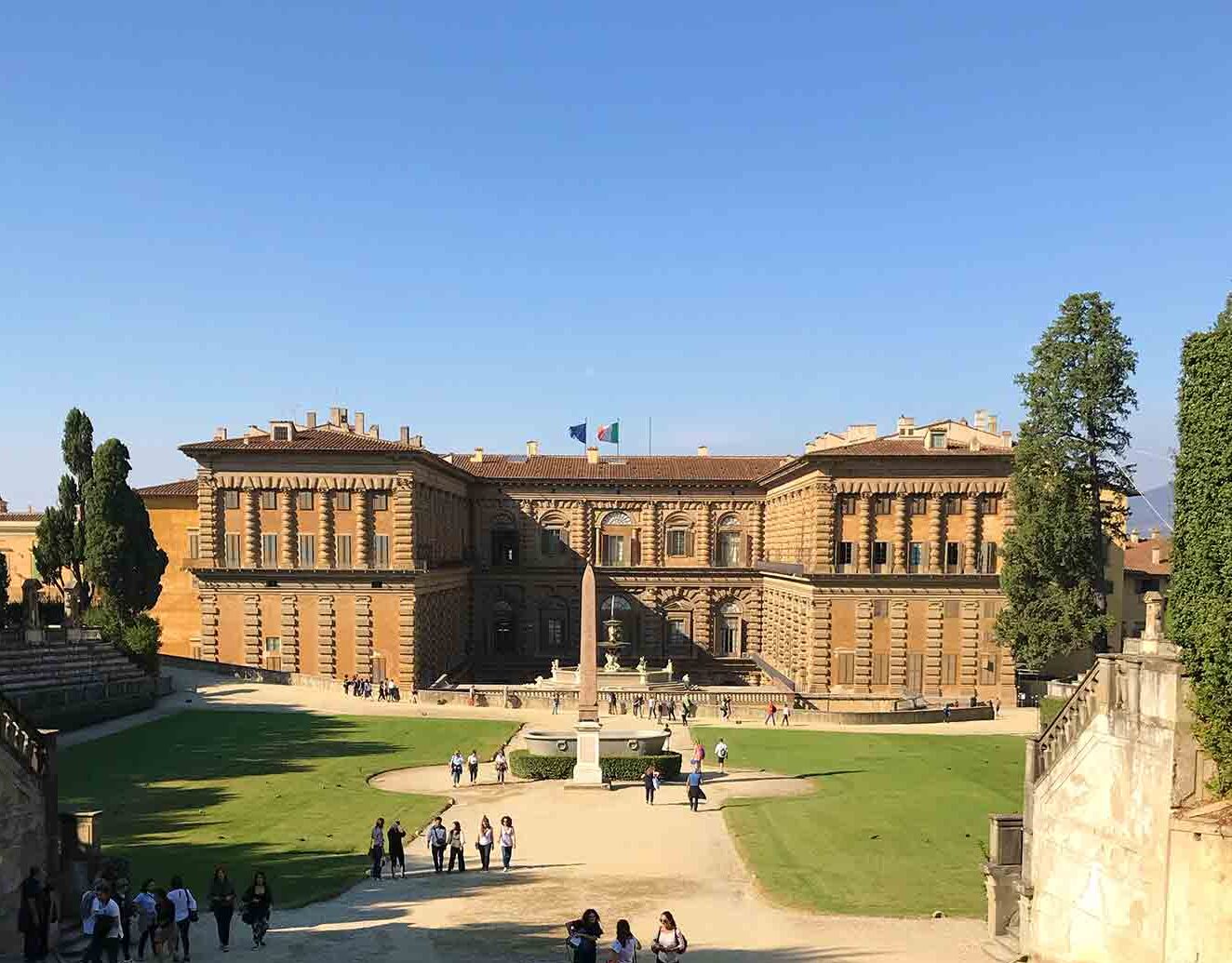
Welcome to Florence’s grandest home, once the private residence of the Medici and later Italy’s first king. This refined, three-hour private tour opens the doors to the Palatine Gallery and the Gallery of Modern Art, pairing world-class paintings with intimate courtly stories that bring the palace to life.
Why This Pitti Experience Stands Apart
You won’t just tick off highlights; you’ll read paintings like insiders do. Your licensed guide draws a line from patron to painter, from room to ritual, so a Raphael becomes a window onto Medici taste, a Caravaggio a lesson in drama, a Titian a masterclass in color and power.
An Elegant Route Through Palatine & Modern Masterpieces
Your visit flows through picture-lined salons where ceiling frescoes glow and gilded frames shimmer. In the Palatine Gallery you’ll meet Raphael’s Madonna of the Chair, Titian’s lyrical concert scene, Giorgione’s poetic portraiture, and Caravaggio’s Love Sleeping. Then upstairs, the Gallery of Modern Art reveals 19th–20th-century Tuscany, light-soaked landscapes and newly modern Florence.
Medici Life, Courtly Rituals, and a Capital City’s Palace
Explore living quarters to glimpse how dukes and duchesses staged daily life: audience halls, private chambers, and ceremonial spaces. Your guide also traces the palace’s later role as the residence of Vittorio Emanuele II when Florence was Italy’s capital (1866–1870), a brief, fascinating chapter of nation-building inside Renaissance walls.
Quick Overview of our Pitti Palace Tour
-
Private, three-hour tour of Pitti Palace with licensed expert
-
Palatine Gallery highlights: Raphael, Titian, Caravaggio, Giorgione, Rubens
-
Gallery of Modern Art: Tuscan 19th–20th-century gems
-
Insight into Medici court life and Italy’s first king in Florence
-
Refined pacing, story-rich commentary, priority arrangements
Who Will Love This Palace Immersion
Perfect for art lovers who want depth without overwhelm, couples seeking a richly cultural morning, and families with curious teens. For corporate and incentive groups, the Pitti offers an inspiring backdrop- heritage, leadership, and taste- ideal for executive programs with flexible timing and tailored focus.
ArtViva’s Florentine Advantage – Twenty-Five Years of Access
As Florence’s original boutique operator, ArtViva pairs serious expertise with warmth. Expect seamless entries, engaging storytelling, and the confidence that every minute is curated for maximum enjoyment and clarity.
Your Refined Visit: Smooth, Timed, and Comfortable
Start times are arranged to suit your schedule. The experience includes entrance to the Palatine Gallery and the Gallery of Modern Art with your private guide. The palace is closed on Mondays, 1 May, Christmas and New Year; and it does not accept reservations on the first Sunday of each month. If you wish to explore the Costume Gallery or Boboli Gardens afterward, your guide will assist you with same-day ticketing.
What the Paintings Reveal – Looking Closely, Seeing Anew
From the silvery light on a Flemish copper panel to the velvet shadows in a Caravaggio, you’ll learn to notice what collectors and curators see: brushwork, glazing, composition, and the subtle choreography of rooms designed to impress.
Reserve Your Date – Availability Is Limited
Enjoy the Pitti Palace with space to look and a guide who makes every room make sense. Secure your preferred time now for a polished, private encounter with Medici Florence.
-
Standing inches from Raphael, Titian, Caravaggio, Rubens, and Giorgione.
-
Discovering how the Medici shaped taste, power, and private life.
-
An elegant, three-hour pace: rich, unhurried, and beautifully narrated.
-
Access to both the Palatine Gallery and the Gallery of Modern Art.
-
A private guide who turns opulent rooms into living stories.
Built for the Pitti family and purchased by the Medici, the palace became the grand stage of Florentine court life. The Palatine Gallery reflects the Medici display tradition- dense hangs, gilded frames, ceiling frescoes- designed to awe visiting dignitaries. After the dynasty, the palace evolved with the times: in the 19th century it housed King Vittorio Emanuele II when Florence briefly served as Italy’s capital, layering national history onto Renaissance grandeur. Today, its galleries preserve both masterpieces and the rituals of living with art, an unbroken conversation between painters, patrons, and the rooms that hold them.
This journey is going to be 3 hours long.
- Private tour guide
- Entrance to the Pitti museum (Palatine Gallery, Tesoro dei Granduchi, Costume Gallery, Boboli Gardens and Gallery of Modern Art)
Is this Pitti Palace tour private?
Yes, it’s a private experience led by a licensed expert for your party only.
Which collections are included on The Best of the Pitti Palace Tour – Florence?
Your tour includes the Palatine Gallery, The Boboli Gardens, The Costume Gallery and the Gallery of Modern Art, with time in the Medici state rooms along the route.
Do we see Raphael’s Madonna of the Chair and Caravaggio’s Love Sleeping on this tour?
Yes, your guide prioritizes key masterpieces such as Raphael’s Madonna of the Chair and Caravaggio’s Love Sleeping, along with Titian, Rubens, and Giorgione as time allows.
Is the Pitti Palace open every day?
No. It’s closed on Mondays, 1 May, Christmas and New Year. The first Sunday of each month has free entry without reservations, so timed access isn’t guaranteed.
Can we add the Costume Gallery or Boboli Gardens?
Those areas are included in this tour.
How long is the experience, and how much walking is involved?
Plan for about three hours with gentle walking and time to pause in each gallery.
Is this tour suitable for families or executive groups?
Absolutely. We tailor commentary to families with teens and can shape themes (patronage, leadership, taste) for corporate and incentive programs.