
Foraging Experience in Tuscany: A Seasonal Journey Through Wild Flavors and Timeless Landscapes
Foraging in Tuscany: Discovering Wild Flavors, Ancient Traditions, and the Secrets of the Countryside
Tuscany is famous for rolling hills, vineyards, medieval villages, and some of Italy’s most celebrated cuisine. Yet beyond the famous landscapes lies another world that many travelers never discover: the edible countryside.
A Foraging Experience in Tuscany offers a unique opportunity to explore the region through the plants, herbs, mushrooms, and seasonal ingredients that have shaped rural life for generations. Guided by a local expert, travelers learn how to read the landscape, recognize the treasures growing around them, and understand the connection between nature and traditional Tuscan cooking.
This is not simply a walk through the countryside. It is an invitation to slow down and experience Tuscany through all the senses. The scent of wild herbs, the texture of leaves beneath your fingers, and the stories behind local ingredients reveal a side of the region that exists far beyond its famous vineyards and historic towns.
For many travelers, this becomes one of the most memorable parts of their Italian journey because it changes the way they see food, nature, and the relationship between people and the land.
What Makes a Foraging Experience in Tuscany Unique?
A Foraging Experience in Tuscany introduces visitors to the hidden abundance of the countryside through guided exploration of edible wild plants, seasonal ingredients, and traditional food knowledge.
Unlike a typical sightseeing activity, foraging connects travelers directly with the landscape. Instead of simply viewing Tuscany’s hills and forests, guests learn how these environments have provided nourishment, inspiration, and cultural identity for local communities for centuries.
A knowledgeable guide explains how generations of Tuscan families identified useful plants, respected seasonal cycles, and incorporated wild ingredients into everyday meals.
The experience is not about collecting as much as possible. It is about understanding. Each plant has a story. Each season reveals something different. And every ingredient reflects the landscape where it grows.
The Tuscan Countryside: A Living Landscape of Flavor
The beauty of Tuscany is often appreciated visually, but its countryside has always offered much more than scenery.
Olive groves, forests, vineyards, fields, and hillsides create a diverse environment where countless edible plants thrive naturally. Along quiet paths and rural trails, travelers may discover aromatic herbs growing beside stone walls, wild greens beneath olive trees, and seasonal ingredients hidden among the landscape.
During a guided foraging walk, visitors begin noticing details they might otherwise overlook.
A plant becomes more than a plant. It becomes an ingredient with history. It becomes part of a culinary tradition passed from one generation to another.
This deeper understanding transforms the way travelers experience Tuscan food long after the walk ends.
Why Tuscany Is One of Italy’s Best Regions for Foraging
Tuscany’s combination of climate, geography, and agricultural tradition makes it one of the most rewarding regions in Italy for exploring wild ingredients.
The landscape changes dramatically from one area to another. Forested hills, Mediterranean coastlines, vineyards, and farmland each create different conditions for plant life.
This diversity means every season offers something new.
Spring brings fresh greens, young shoots, and aromatic herbs.
Summer highlights Mediterranean plants that thrive under the warm sun.
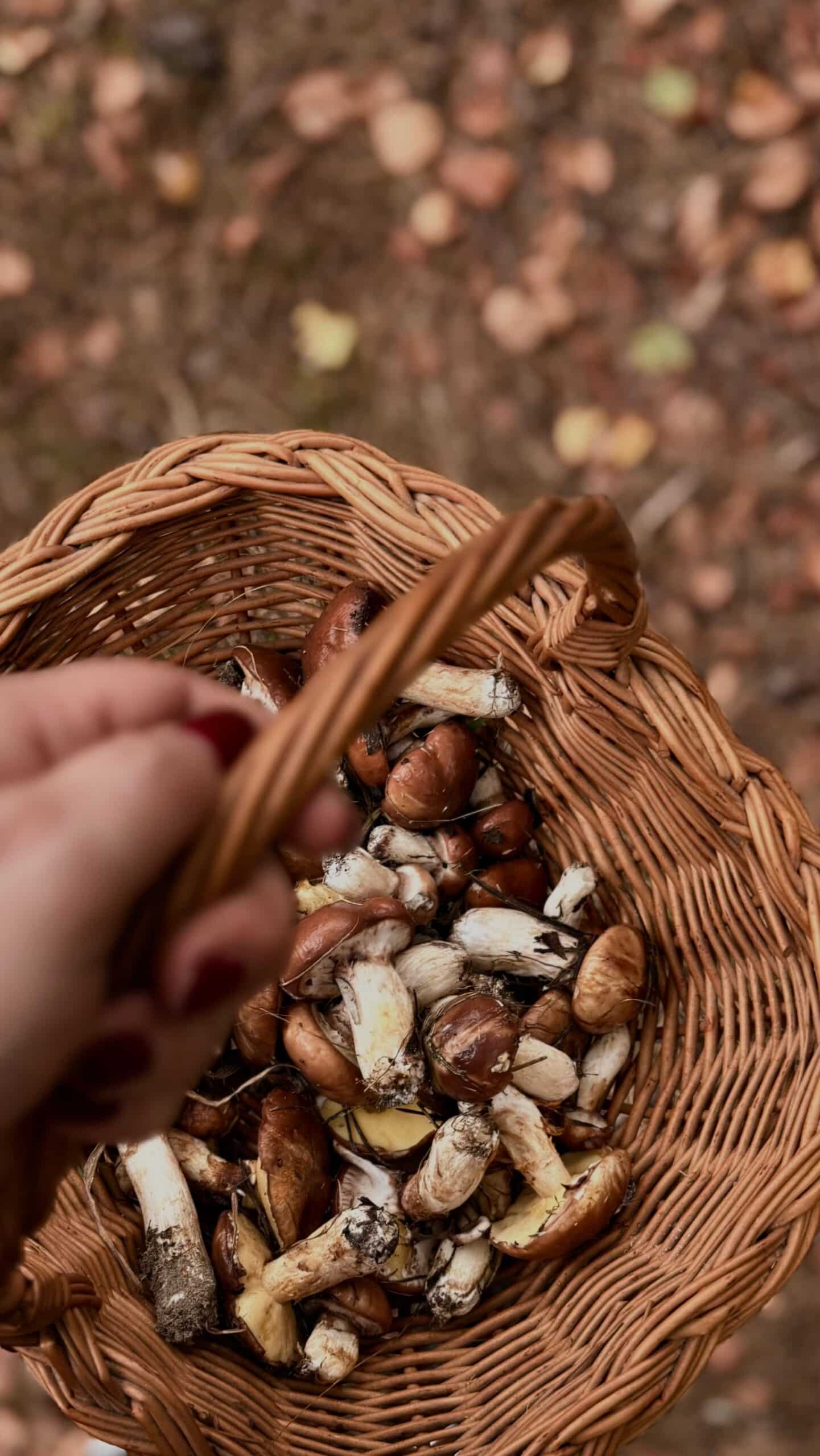
Autumn is especially valued for mushrooms and forest ingredients that appear after seasonal rains.
Winter reveals a quieter countryside where hardy plants and traditional knowledge remain central.
The experience changes throughout the year because Tuscany itself is constantly changing.
Seasonal Foraging in Tuscany: What You Might Discover
Foraging is deeply connected to nature’s rhythm. The ingredients available depend on the season, weather, and location.
Spring: Fresh Growth and Wild Herbs
Spring is a vibrant time in the Tuscan countryside. New plants emerge, offering fresh greens and delicate herbs traditionally used in rustic dishes.
Wild fennel, nettles, and seasonal greens are often associated with this time of year, adding distinctive flavors to soups, fillings, and traditional recipes.
Summer: Aromatic Mediterranean Flavors
During summer, the landscape becomes rich with fragrant herbs adapted to Tuscany’s warm climate.
Rosemary, thyme, and other aromatic plants thrive in dry conditions and have long been used to enhance simple regional dishes.
Autumn: Mushrooms and Forest Treasures
Autumn is one of the most fascinating seasons for foraging in Tuscany.
The arrival of cooler temperatures and seasonal rains brings renewed life to forest areas, including various mushroom species.
Because mushroom identification requires experience and knowledge, expert guidance is especially important during this season.
Winter: Tradition and Preservation
Winter offers a quieter perspective on the countryside.
Rather than abundance, the focus shifts toward hardy ingredients, preserved knowledge, and the traditions that helped rural communities thrive throughout the year.
The Connection Between Foraging and Tuscan Cuisine
Tuscan cuisine is often described as simple, but this simplicity reflects centuries of understanding.
Traditional cooking has always depended on knowing how to use what the land provides.
Wild herbs add depth to soups and sauces.
Seasonal greens bring balance to rustic dishes.
Aromatic plants enhance meats, vegetables, and handmade pasta.
The philosophy behind Tuscan cooking is not about complexity. It is about respect.
The best ingredients require thoughtful preparation, not unnecessary transformation.
A foraging experience reveals the origins of this approach by showing how closely Tuscan cuisine remains connected to the surrounding environment.
The History Behind Foraging Traditions in Tuscany
Foraging in Tuscany is not a modern invention. It continues practices that have existed for centuries.
Before supermarkets and modern agriculture transformed daily life, rural communities depended heavily on their knowledge of the natural world. Farmers, shepherds, and families learned which plants could provide nourishment, flavor, and practical uses throughout the year.
This knowledge was traditionally passed through generations.
Children learned from parents and grandparents.
Communities shared seasonal knowledge.
Recipes developed around what was available nearby.
Many elements of Tuscan cuisine still reflect this relationship between people and landscape.
A foraging experience allows travelers to step into that history and understand how deeply food traditions are connected to place.
Experience Foraging in Tuscany with Local Experts
Understanding the countryside becomes far more meaningful when explored with someone who knows its history, ecology, and traditions.
Artviva’s Foraging Experience in Tuscany introduces travelers to the hidden flavors of the Tuscan landscape through expert guidance, seasonal discovery, and cultural storytelling.
Rather than simply identifying plants, guests learn why certain ingredients matter, how they have been used in local cooking, and how rural traditions continue today.
The experience creates a connection between landscape and table, helping travelers understand Tuscany in a more personal and authentic way.
Why Travelers Remember This Experience
Many visitors come to Tuscany expecting beautiful views and exceptional food.
A foraging experience reveals where those traditions begin.
It shows that cuisine does not start in a restaurant kitchen. It begins in fields, forests, gardens, and landscapes shaped by generations of knowledge.
Travelers often remember these moments because they feel different from typical sightseeing.
They remember learning something new. They remember walking through quiet countryside. They remember seeing Tuscany not just as a destination, but as a living ecosystem.
Practical Tips for a Tuscany Foraging Experience
A few simple preparations help make the experience more enjoyable. Comfortable walking shoes are recommended, as countryside paths may include uneven terrain. Weather-appropriate clothing is important, especially during spring and autumn when temperatures can change throughout the day. Sun protection is useful during warmer months. Most importantly, arrive with curiosity. The greatest discoveries often come from paying attention to small details.
Frequently Asked Questions About Foraging in Tuscany
Is a foraging experience in Tuscany suitable for beginners?
Yes. Guided experiences are designed for all knowledge levels. Local experts explain how to identify plants safely and share the cultural traditions behind them.
What can you find while foraging in Tuscany?
Depending on the season, participants may discover wild herbs, edible greens, aromatic plants, and mushrooms.
What is the best season for foraging in Tuscany?
Spring and autumn are especially popular. Spring offers fresh herbs and greens, while autumn is known for mushrooms and forest ingredients.
Is foraging safe in Tuscany?
Yes, when guided by an experienced local expert who understands plant identification and local regulations.
Can you use the ingredients collected during the experience?
Many experiences focus on learning, identification, and cultural understanding. Some may include discussions or demonstrations showing how ingredients are traditionally used.
Discover Tuscany Through Its Hidden Flavors
Tuscany has always been a region shaped by connection: between people and land, tradition and innovation, nature and cuisine.
A Foraging Experience in Tuscany offers a rare opportunity to discover the countryside from a new perspective. It reveals the ingredients, stories, and seasonal rhythms that have influenced Tuscan life for generations.
For travelers seeking a deeper connection with Italy, this experience provides more than a walk through nature. It offers an understanding of how landscapes become traditions and how simple ingredients become unforgettable memories.
The Tuscan countryside speaks quietly. Those who take the time to listen discover a world of flavors, stories, and traditions waiting just beyond the path.